01
Three common splice types
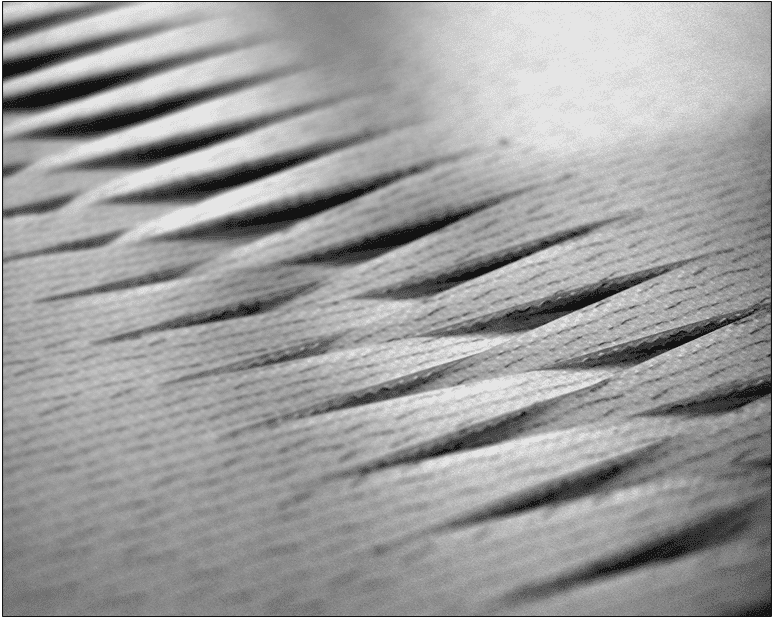
A finger splice cuts interlocking fingers into both belt ends and thermally bonds them, producing a strong, flat joint when alignment and curing are controlled.
A skive splice cuts across the belt and thermally fuses the ends. Angled or overlapped versions can spread the load, although a poorly made overlap can leave a performance-changing bump.
A clipper splice joins the ends with removable metal or plastic fasteners. It enables quick belt removal, but sits above the belt surface and loose or broken fasteners may be unsuitable for delicate products or food zones.
02
What makes a splice fail
Temperature, dwell time and cooling must match the belt material. Misalignment can create a belt that tracks poorly, while contamination or inadequate preparation weakens the bond. The splice also needs to preserve the belt's thickness, friction and flexibility through the joint.
03
Specify the joint with the belt
Choose the splice after considering nose-bar diameter, product contact, sanitation, metal-detection compatibility, reverse running and how often the belt must be removed. A precisely fabricated belt and a suitable joint should be treated as one component, not separate purchasing decisions.