01Engineered solution

Metal detection & metal-free zones

A metal detector only works if the conveyor around it stops interfering with it. Metal-free zone conveyors carry product through the detector aperture without fixed or moving metal nearby, then act on what the detector finds.

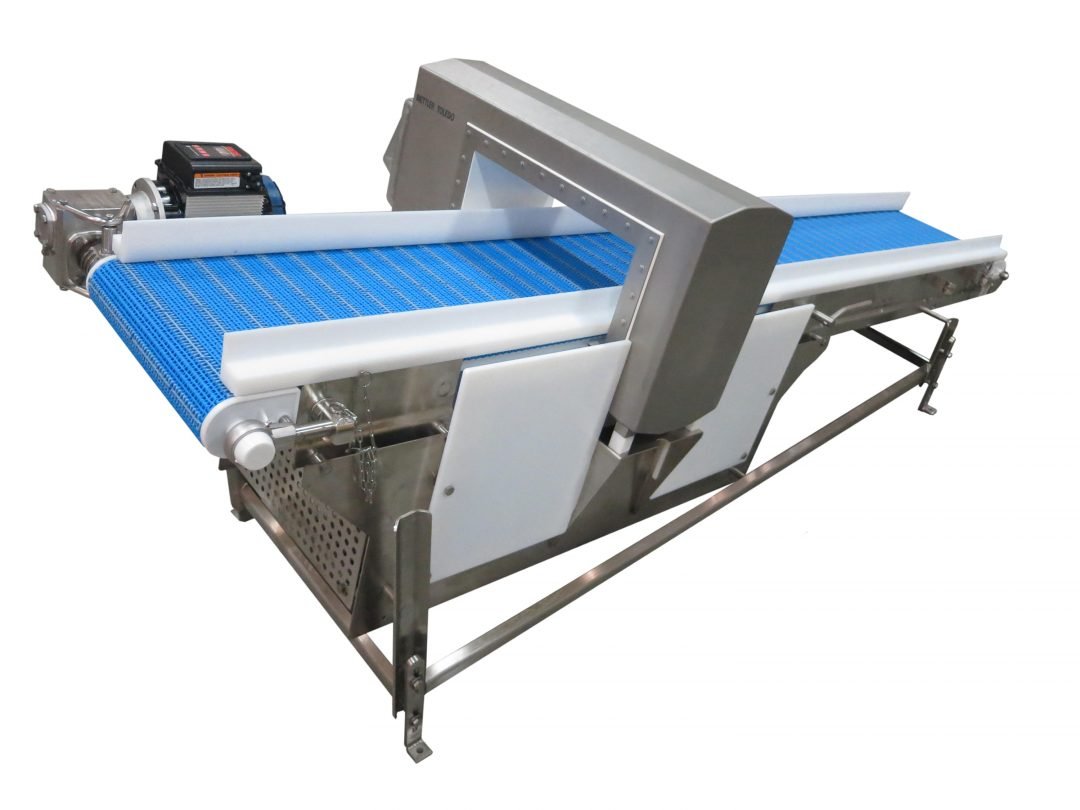
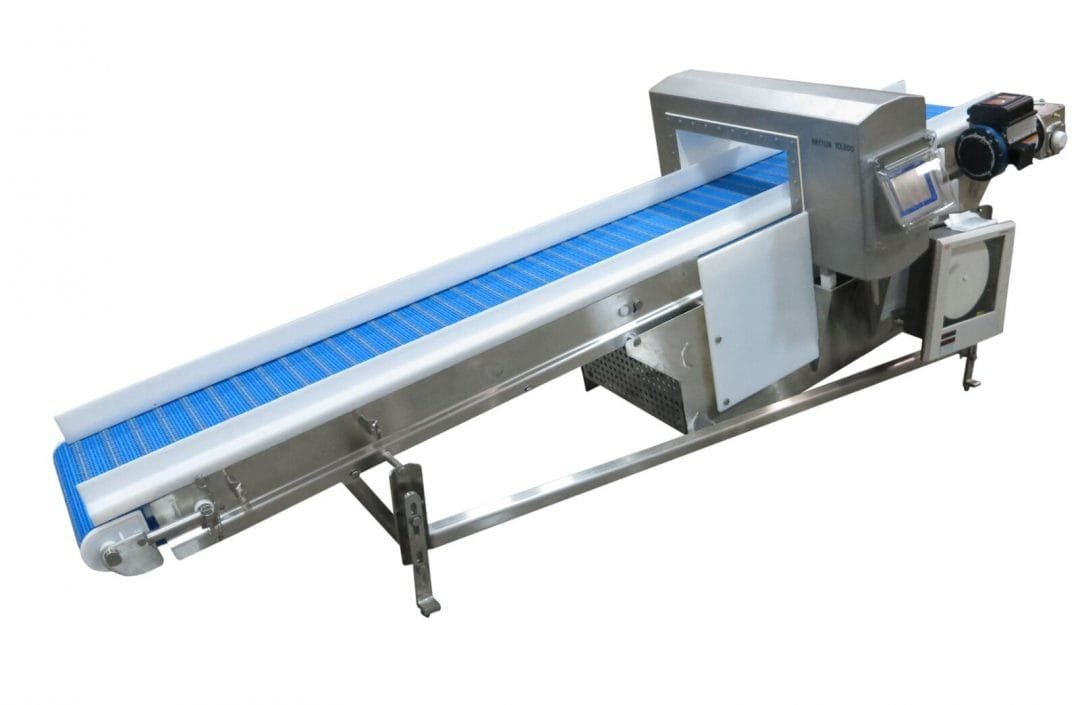
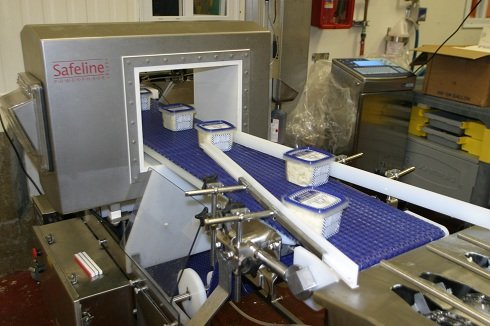
Conveyor carrying packaged product through an inline metal detector
Inline inspection Product carried through the detector aperture
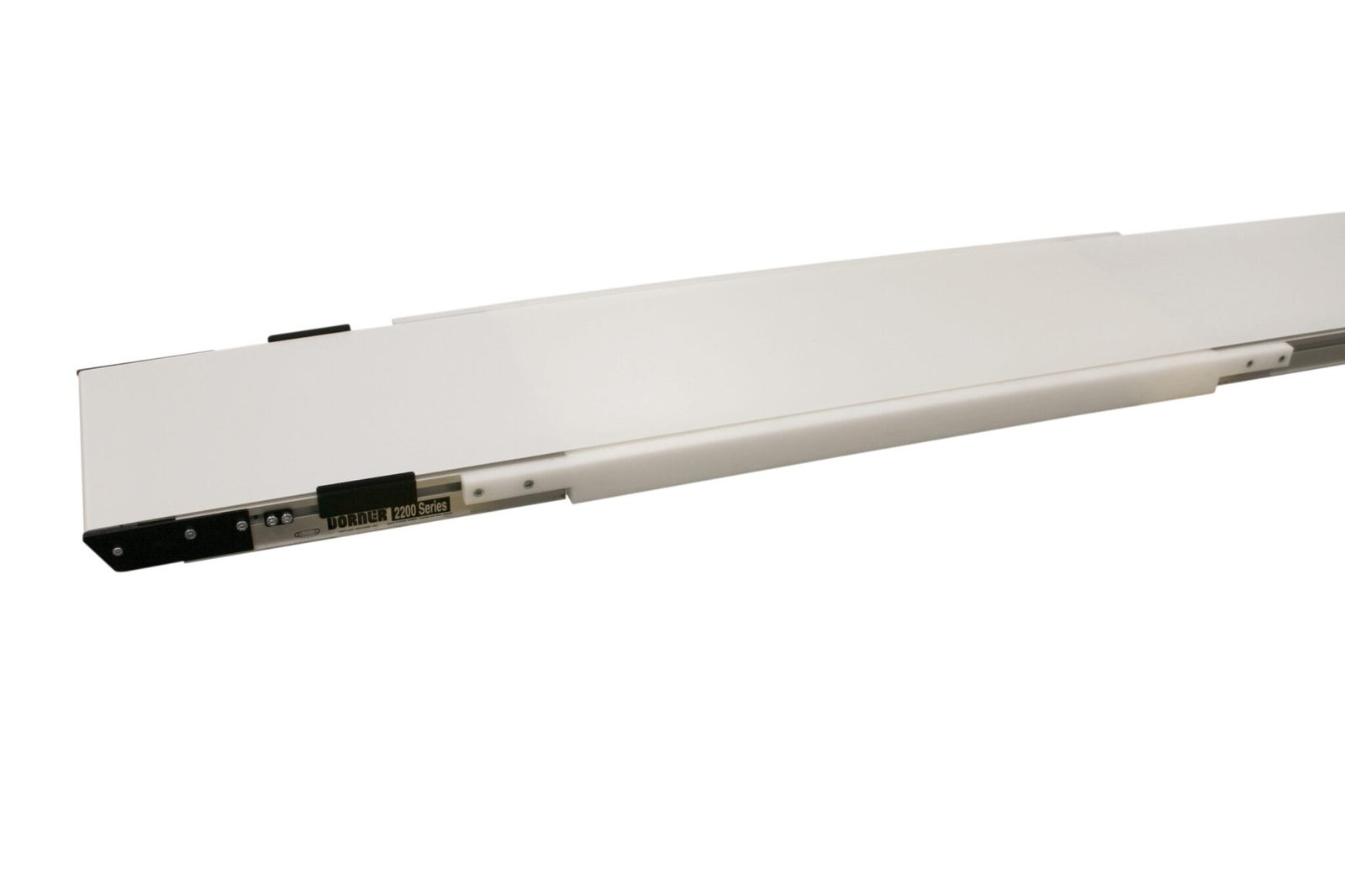
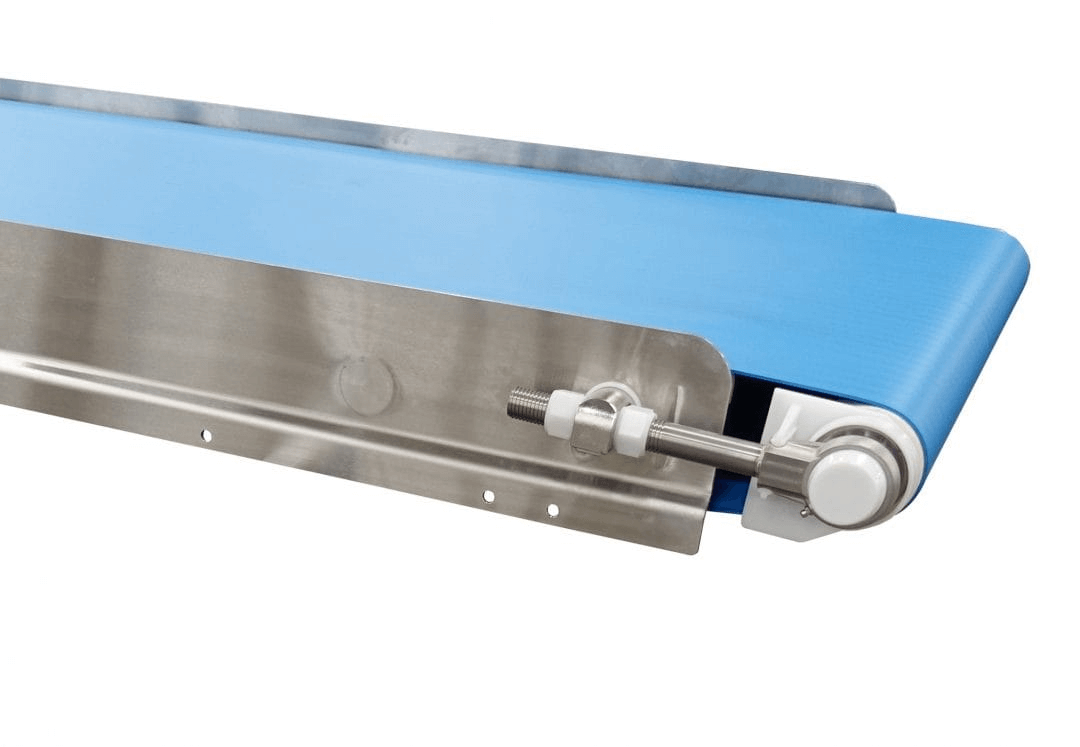
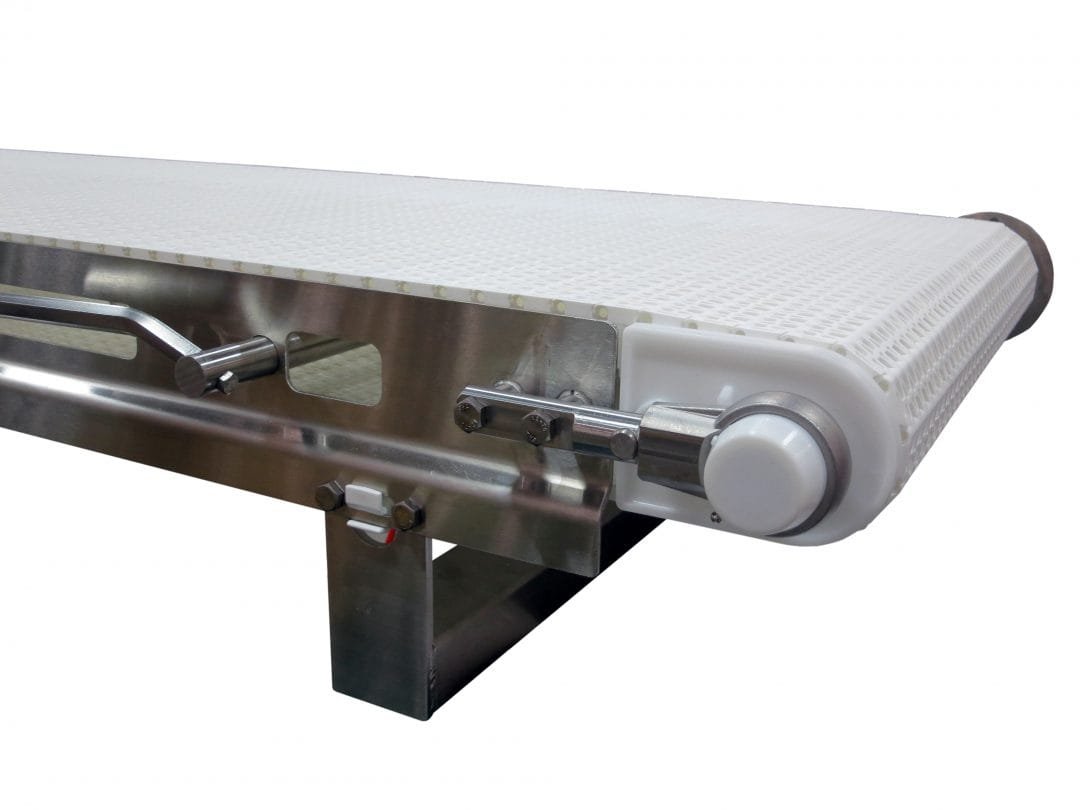
Low-profile conveyor with an engineered plastic metal-free mid-section Metal-free mid-section

02What the zone is

No metal near the aperture.

A metal-free zone is the area around the detector where no fixed or moving metal is present. Keeping metal out of that area is what prevents false triggers and lets the detector run at the sensitivity the product actually needs.

The conveyor is built with an engineered plastic mid-section so the belt can pass through the aperture while the frame, drive and fasteners stay outside the zone.

Metal-free zone specifications

The engineered plastic mid-section is sized to the detector being integrated, so the zone length is set by the detection unit rather than by the conveyor. A compact frame-to-belt width keeps as much of the detector opening usable as possible. Reference the conveyor specification sheet for the remaining detail.

The detector is specified separately

Roarer supplies the conveyor and the metal-free zone built around a detector. The metal detection unit itself is specified and acquired separately, because its sensitivity, aperture and certification requirements are set by the product being inspected.
03Industrial platforms

Aluminium-frame options for the zone.

Both platforms accept a metal-free mid-section. The choice follows product size and the duty of the line rather than the detector.

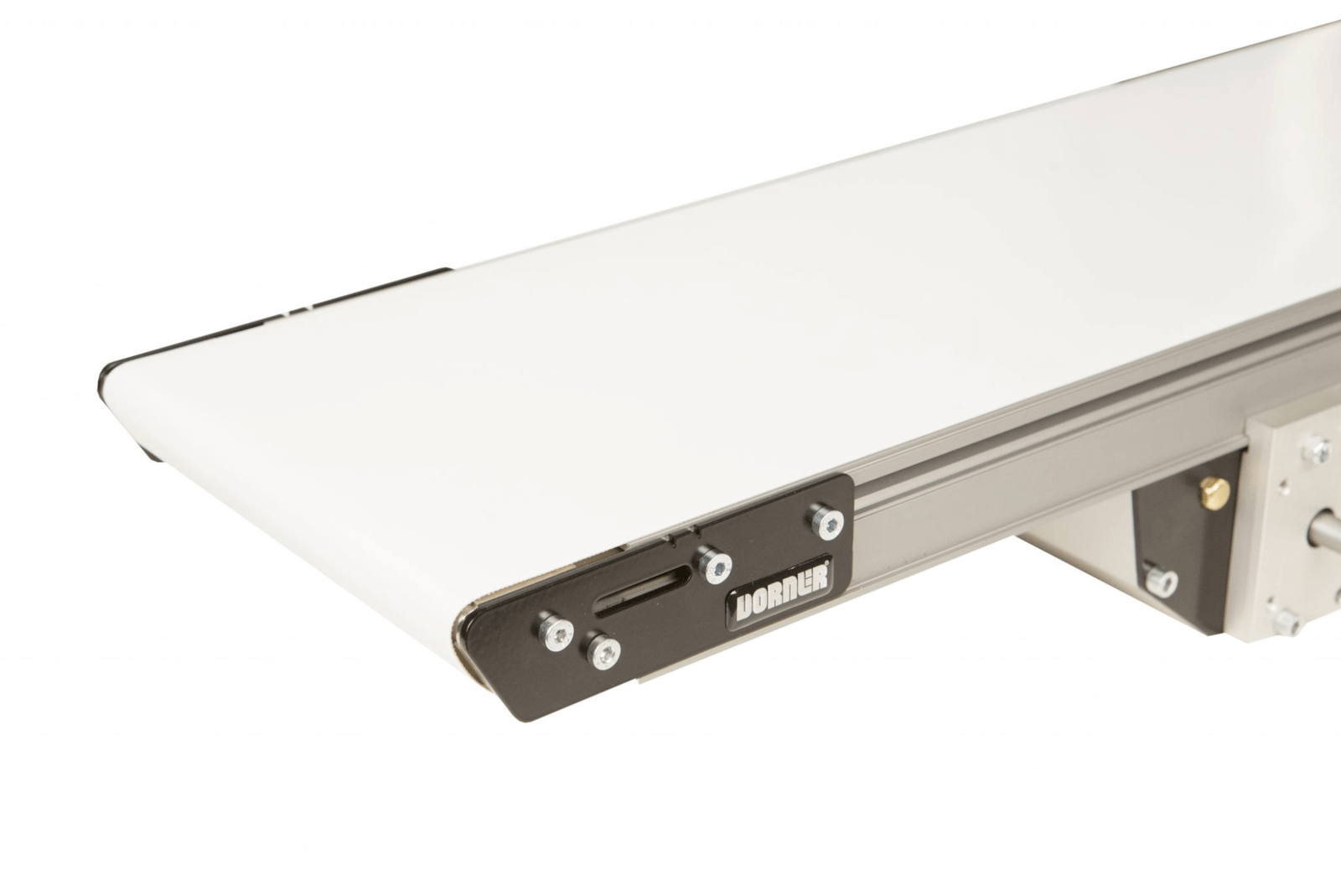
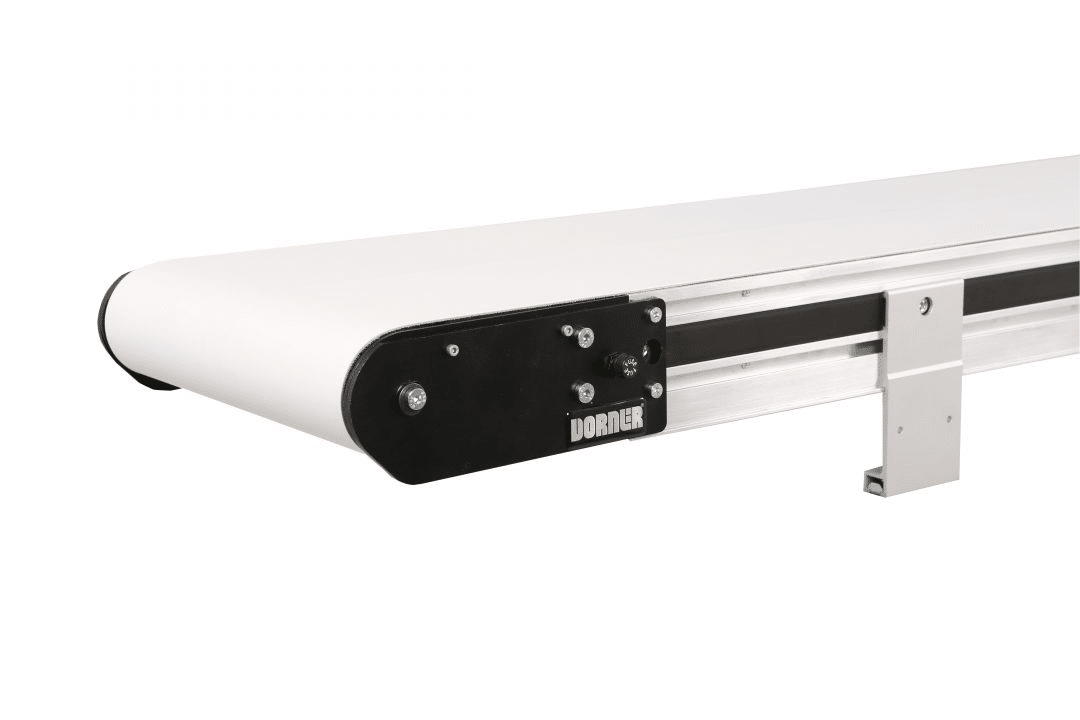
Low-profile fabric and modular belt conveyor platform
2200 Series

Low profile, small to medium parts

A low-profile fabric and modular belt platform with a single-piece frame, universal T-slots and a high-speed nose-bar transfer option. Suited to small and medium part handling through inspection.

Heavy duty belted and modular belt conveyor platform
3200 Series

Heavy duty, belted or modular

Available as belted, modular belt or precision move. Chosen where speed, load or belt tracking under tougher conditions matters more than frame height.

Shared features

Both industrial platforms carry the same tracking and tensioning arrangement, which is what keeps a belt square through a narrow aperture.

Tracking
V-guided
Tensioning
Rack and pinion
Bearings
Sealed for life
Belt change
Modular or spliced

04Sanitary platforms

Stainless options where the line is washed down.

Food inspection usually means the conveyor has to survive cleaning as well as carry product through the aperture.

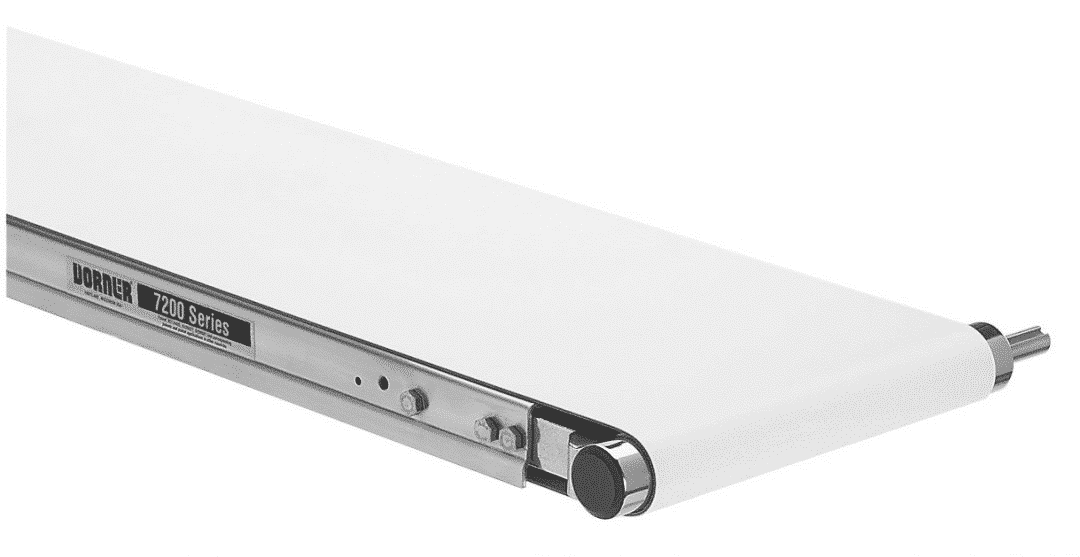
Stainless steel sanitary conveyor with an open frame design
AquaGard

Wipe-down and low-pressure washdown

A 304 stainless frame with an open design and minimal horizontal surfaces, which is also what keeps metal away from the detector. Designed for non-caustic cleaning chemicals.

Continuously welded stainless steel sanitary conveyor
AquaPruf

High-pressure sanitation

Continuous TIG-welded 304 stainless with a #4 polish on outside surfaces, a frame with no horizontal surfaces, tip-up tail and tool-less disassembly for cleaning.

AquaGard range

Published figures for the sanitary platform most often specified around a detector.

Load
Up to 341 kg (750 lb)
Widths
152–914 mm (6–36 in)
Lengths
914–25,000 mm (3–82 ft)
Frames
Straight, curve, Z-frame

AquaPruf withstands 100–1,500 psi spray and chlorinated solutions. Both use FDA-approved belting and plastic components.

05Acting on a detection

Three ways to get the product off the line.

Detection is only half of it. The reject mechanism is chosen by product weight, stability and how much of the flow has to go with it.

01

Push on detect

A pusher mounted beside the conveyor is actuated when the detector flags a product. The push is timed to the product flow so it arrives as the product does.

02

Air blast

A blast of air removes the flagged product instead of a mechanical pusher. Suited to lightweight products that do not need much force to shift.

03

Diverter arm

An arm swings across the belt width to sweep the product off. Used for bulk flow, because it removes a section rather than a single item.

06Specifying

What decides the configuration.

Three things set the conveyor around a detector. Get them wrong and the detector either misses product or stops the line for nothing.

  1. 01

    Sanitation

    Food inspection carries cleaning standards, so the frame has to be cleanable to the same standard as the rest of the line. That decides stainless grade, frame geometry and whether the belt lifts for cleaning.

  2. 02

    Aperture size

    The opening has to suit the product. Around 8 in high by 14 in wide is typical, and the conveyor's frame-to-belt width decides how much of that opening is left for product.

  3. 03

    Reject mechanism

    Once something is flagged it has to leave the line before it contaminates what follows, which means choosing between a pusher, an air blast or a diverter arm.

  4. 04

    What happens to the reject

    Rejected product has to go somewhere controlled. Lockable reject bins, reject systems and networking interfaces for real-time performance data are all part of the same arrangement.

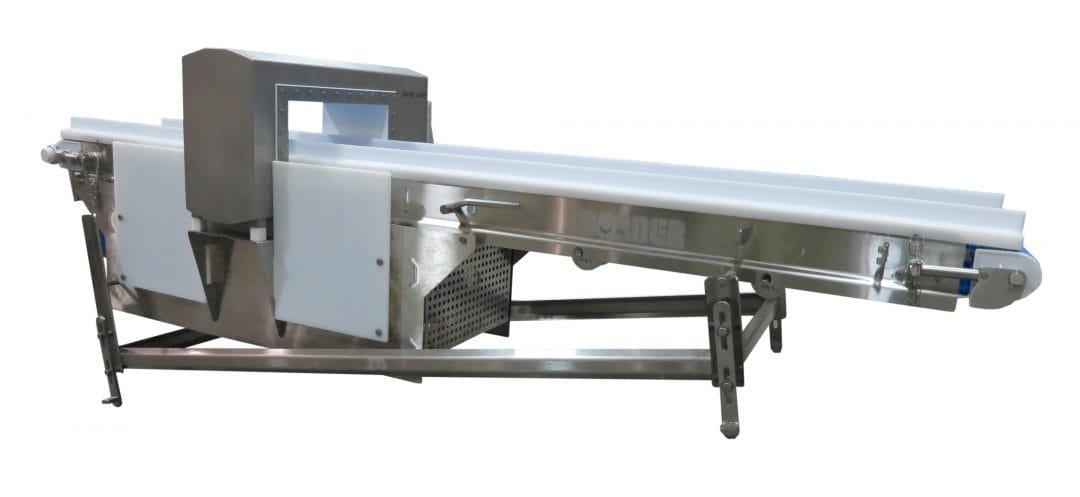
Close view of a conveyor belt passing through a metal detector aperture
Belt width set against the detector opening

07Around the detector

Inspection rarely sits on its own.

A metal-free zone usually appears inside a longer arrangement that also has to buffer, route and present product.

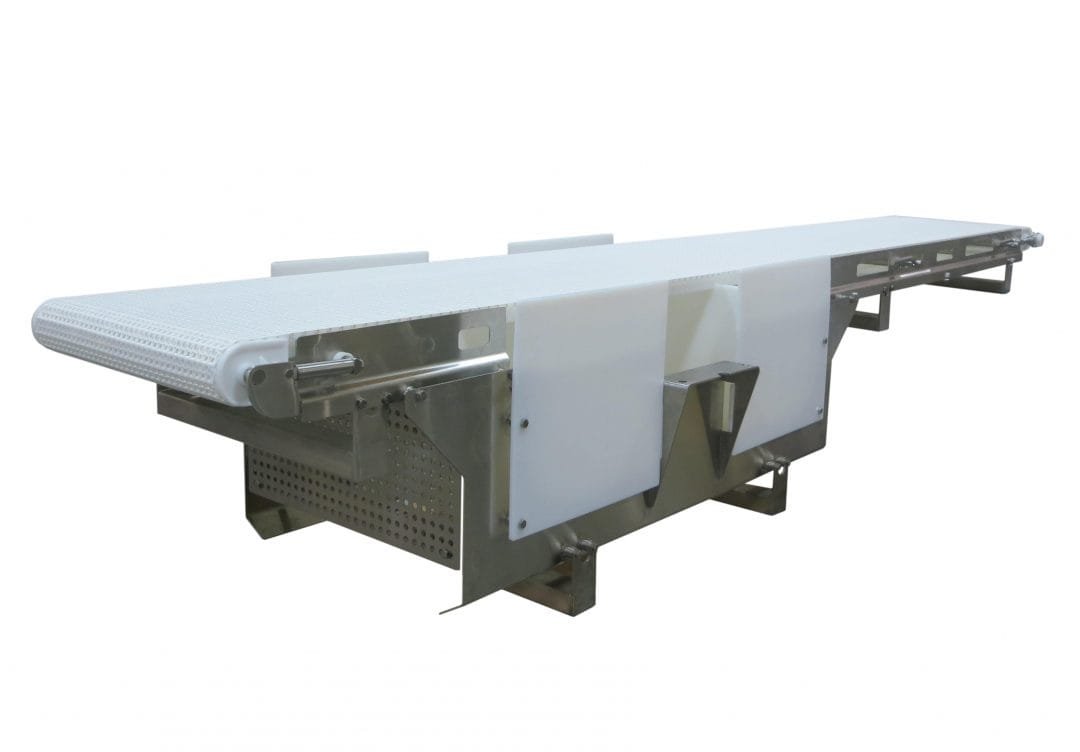
Overview of an inspection line with conveyors feeding and leaving the detector
Inspection within a longer line
01

Accumulation

Handle overflow and buffer product when the detector or the downstream process pauses the flow.

02

Diverting & sorting

Route product to the correct lane after inspection, including the reject route.

03

Merging

Bring lines together before or after the inspection point so one detector covers more of the flow.

04

Product flow & control

Meter and space product so it reaches the aperture singly and at a known rate.

05

Product handling

Move product between workstations, packing and inspection without manual transfer.

06

Custom arrangements

Where the detector, reject station and surrounding equipment do not fit a standard layout.

08Gallery

Detector integrations, metal-free sections and reject stations.

09Frequently asked questions

Metal detection conveyors.

Belt formats, frame options and what Roarer supplies around the detector.

Are fabric belts and modular belts both available?

Yes. Fabric belt and modular belt conveyors are both available for metal detection, in industrial aluminium-frame and sanitary stainless formats.

Which frame configurations can carry a metal-free zone?

Straight, curved and Z-frame configurations are available. The metal-free mid-section itself is a straight run, because the detector aperture is, so curves and elevation changes sit before or after the zone.

Is the metal detector supplied with the conveyor?

No. Roarer supplies the conveyor and the metal-free zone built around a specified detector. The detection unit is specified and acquired separately, because its sensitivity and aperture depend on the product being inspected.
Is there a small conveyor option for metal detection?

Yes. The 2200 Series is a low-profile platform suited to small part handling and precision movement, which makes it the usual choice where the aperture and the product are both small.

How is the zone length decided?

By the detection unit. The engineered plastic mid-section is sized to the detector being integrated rather than to a standard length.

Tell us the product and the detector.

Give us the product, the aperture and the cleaning regime, and Roarer can specify the conveyor and the metal-free zone around it.

Discuss your application