01 Model-level product

Parts and accessories

Conveyor Belts and Belt Types

Fabric, modular-plastic, flexible-chain and positive-drive belt types selected for product, environment and motion.

  • Fabric belts
  • Modular belts
  • Flexible chain
Conveyor belt and flexible-chain platformParts and accessories
Page scope
Model and variants
Selection
Application-specific
Support
Roarer engineering

02 Overview

Conveyor Belts and Belt Types

Fabric, modular-plastic, flexible-chain and positive-drive belt types selected for product, environment and motion.

The published details below are grouped by model, drive, belt or accessory so a figure from one configuration is not presented as universal. Final dimensions and ratings are confirmed against the selected layout.

03 Available range

Models, configurations and components.

Published specifications are kept with the model, drive, belt or accessory they describe. Final ratings depend on the complete engineered configuration.

01

Conveyor Belts

Conveyor belts are on the front lines of your conveyor system. They come in scores of varieties, from lightweight to heavy-duty, and in a range of surface materials and coverings. With such a vast selection, it’s important to find the right belt—and overall conveying system—for your business needs and industry requirements

  • Belts
  • custom conveyor belts
  • A Closer Look at Conveyor Belt Types
  • conveyor belt construction
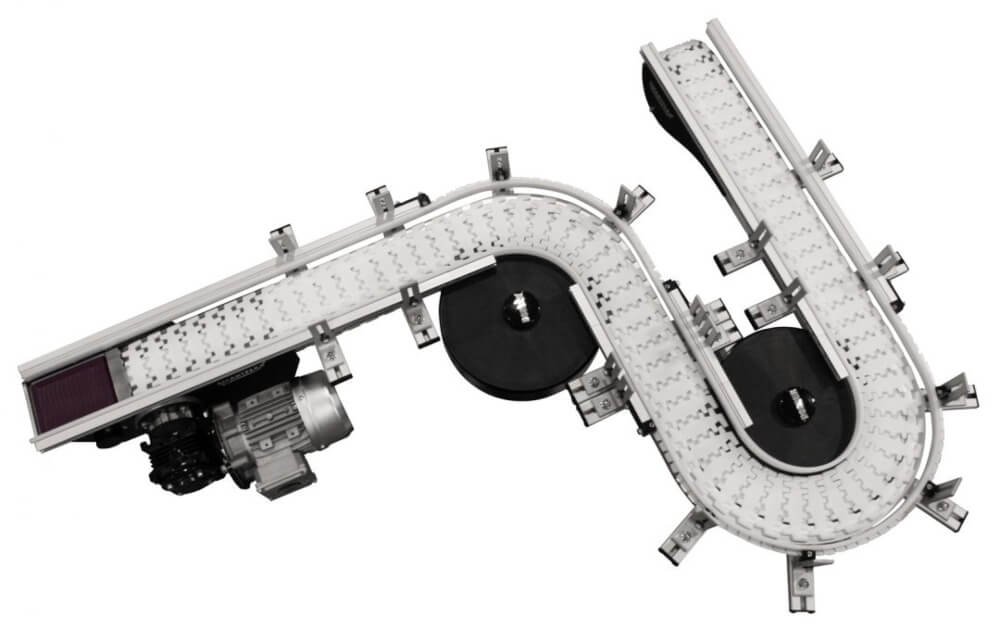
  • including fabric conveyor belts, modular conveyor belts, and flexible chain conveyor belts
  • Fabric Conveyor Belts
02

Conveyor Belting Options

Visitor Information

  • Conveyor Belt Types
  • Belt Splice
  • Fast Delivery Belts
  • Belt Type: 01 FDA Accumulation
  • 212˚F (100˚C)
  • Packaging, cleanroom & inspection
03

Fabric Belt

1100 Miniature Belt Conveyors

04

Fabric and Modular Belts

Streamline operations with precise product handling, reducing bottlenecks and minimizing downtime

  • Modular and Fabric Belt Conveyors
  • Key Benefits of Modular and Fabric Belt Conveyors
  • Modular Belt Conveyors
  • Easy maintenance with quick-release belt designs
  • Extended belt life due to high-quality materials
  • 2200 Series Conveyors

04 Selection

Confirm the operating duty.

01

Product

Size, weight, orientation and contact surface determine the carrying format.

02

Environment

Cleaning method, moisture, temperature and material exposure determine frame and belt selection.

03

Movement

Rate, indexing, incline, accumulation and transfers determine the drive and control arrangement.

05 Related

Compare the parent family, applications and service support before fixing a configuration.

Specify this product against your line.

Send the product, environment, rate and layout. Roarer will confirm the suitable model and configuration.

Discuss your application