Static or dynamic routing
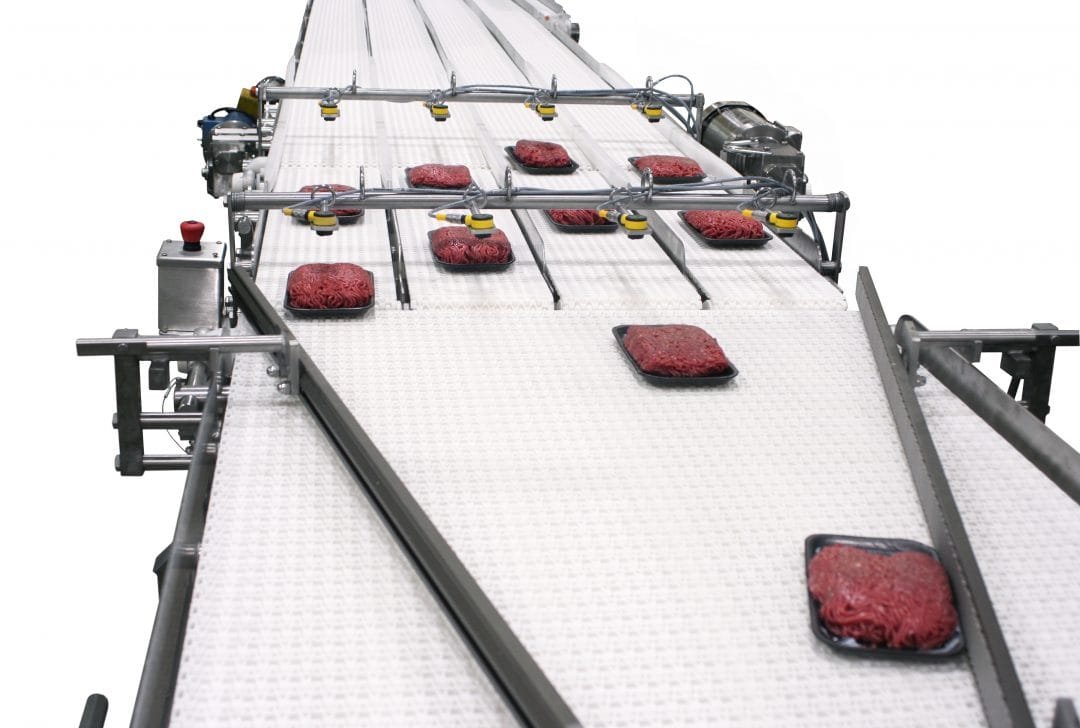
Static guides and plows, or dynamic gates and paddles, change product direction to one or several locations. They can meter flow to defined areas or separate products by detected attributes.
01Engineered solution
Static guides, dynamic gates, paddles and pushers control continuous product flow by changing direction, transferring products, metering lanes or building organized groups.
02Routing methods
The appropriate method depends on product stability, required stroke, number of destinations, rate and the equipment receiving the product.
Static guides and plows, or dynamic gates and paddles, change product direction to one or several locations. They can meter flow to defined areas or separate products by detected attributes.
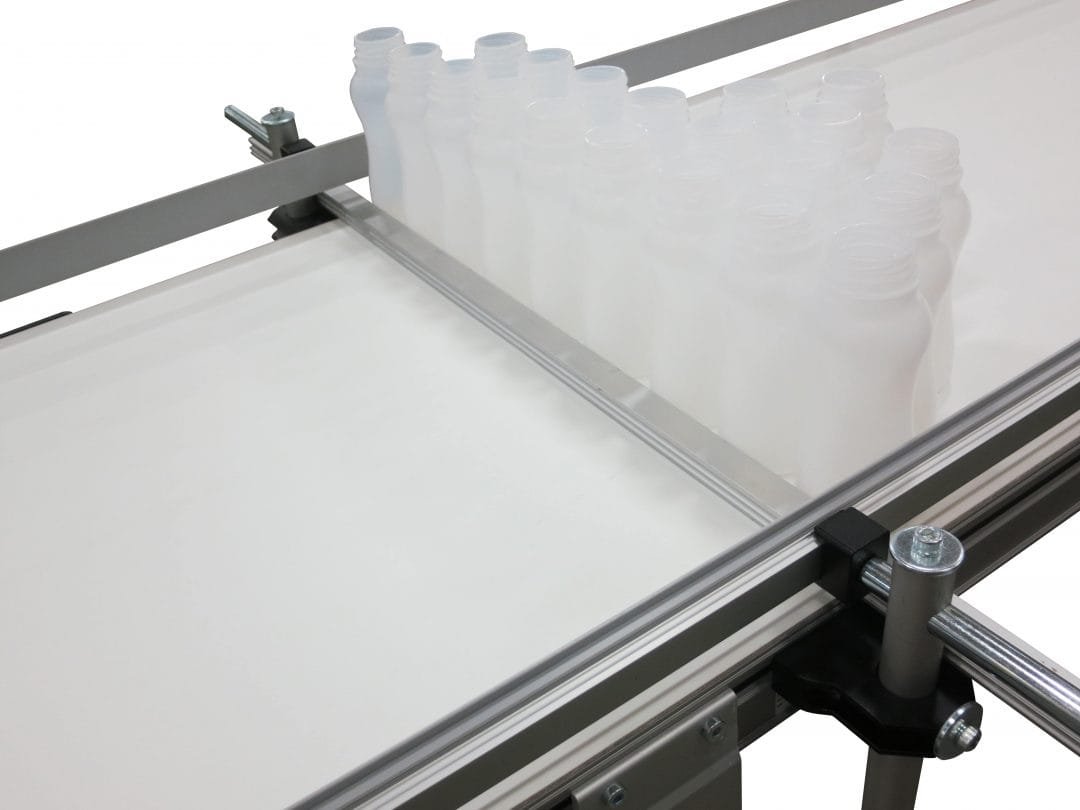
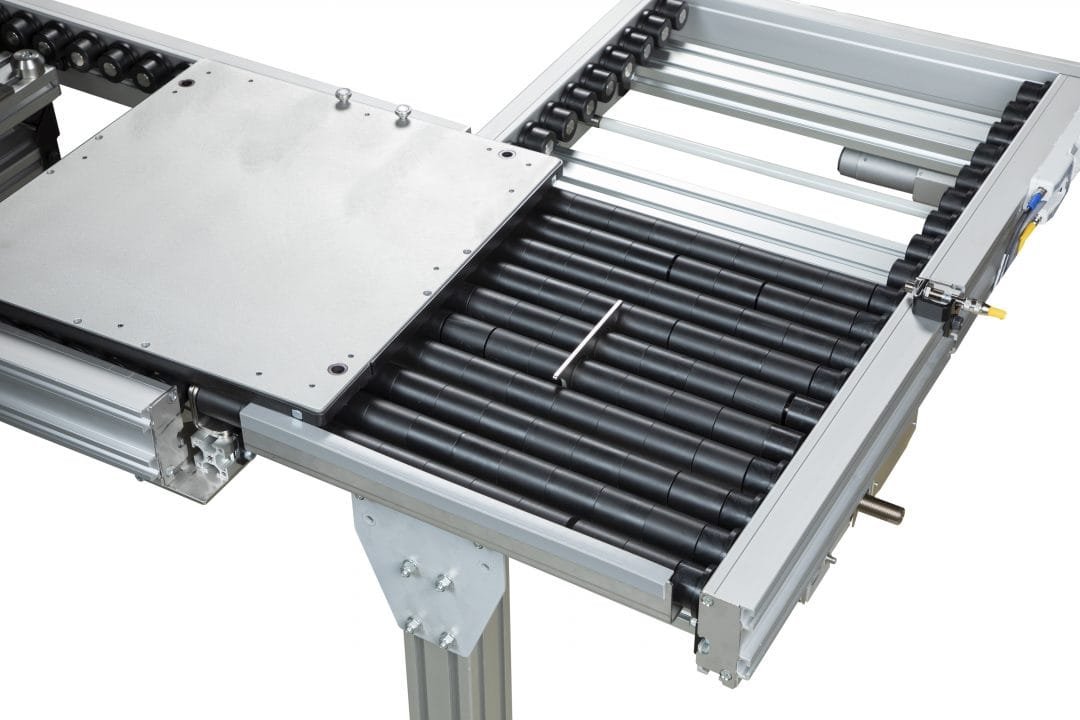
A pusher mounted beside or above the conveyor moves product perpendicular to the main flow. It can remove a part, transfer it to adjacent equipment or create a horizontal stack.
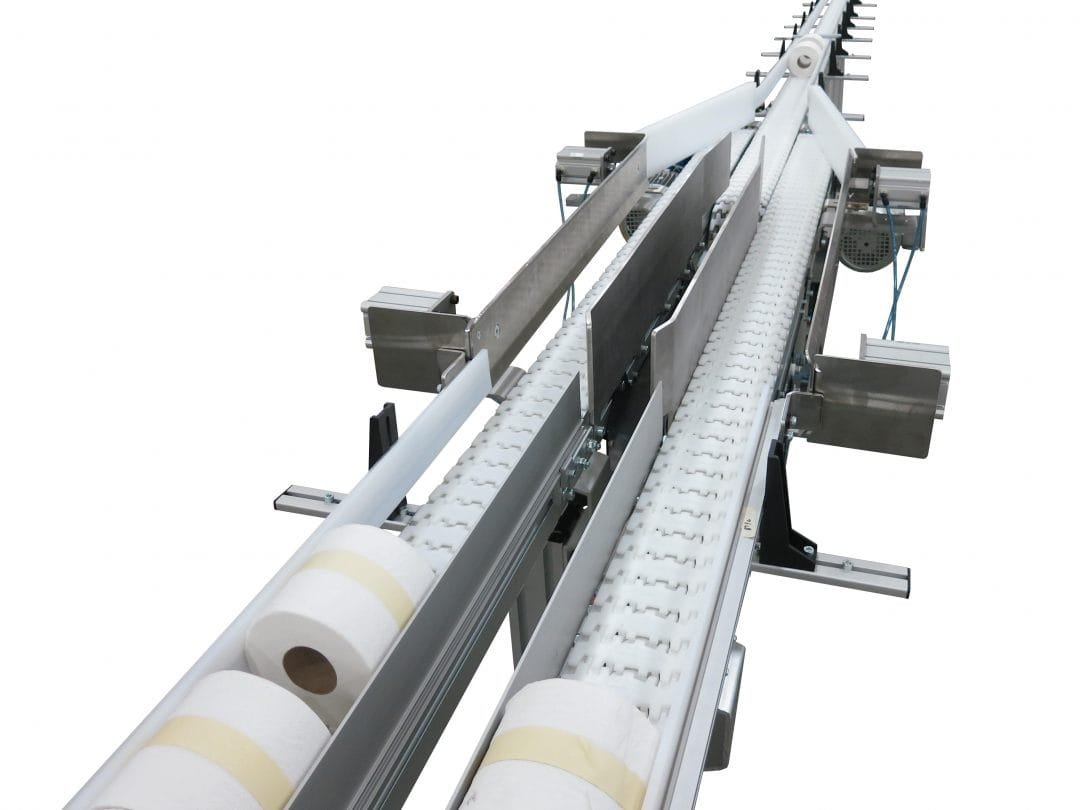
Guides create multiple lanes across the belt to accumulate product, move it between lanes, merge several lanes into one, or support unstable products.
03Actuation & control
These are typical components rather than a universal control architecture.
Proximity switches and photo eyes are typical ways to detect a product or mechanism position.
Counters can trigger a divert, gate or pusher after the required number of products has passed.
Both pneumatic and electric actuation are published options. Product, stroke, cycle rate and available utilities determine the selection.
04Arrangements
The mechanism is designed around the product contact point and the path it must follow.
05Related solutions
Stable spacing and a clear downstream path are part of reliable routing.
Send the product dimensions, rate, current lane arrangement, required destinations and the signal that determines each movement.
Discuss your application