Accumulation
Buffer products so upstream and downstream processes continue operating efficiently.
05Application solution
Bring multiple product streams together or route products into the right path. Well-designed flow control increases throughput, reduces intervention and downtime, and improves handling safety.
06One line, many possible paths
Merge conveyors combine product streams in a processing line. Diverting and sorting conveyors route products using equipment selected for their weight, shape, required destination and available line capacity.
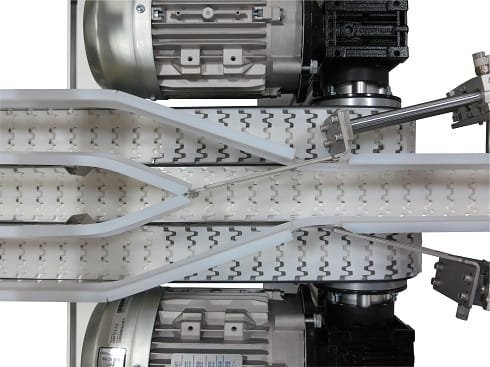
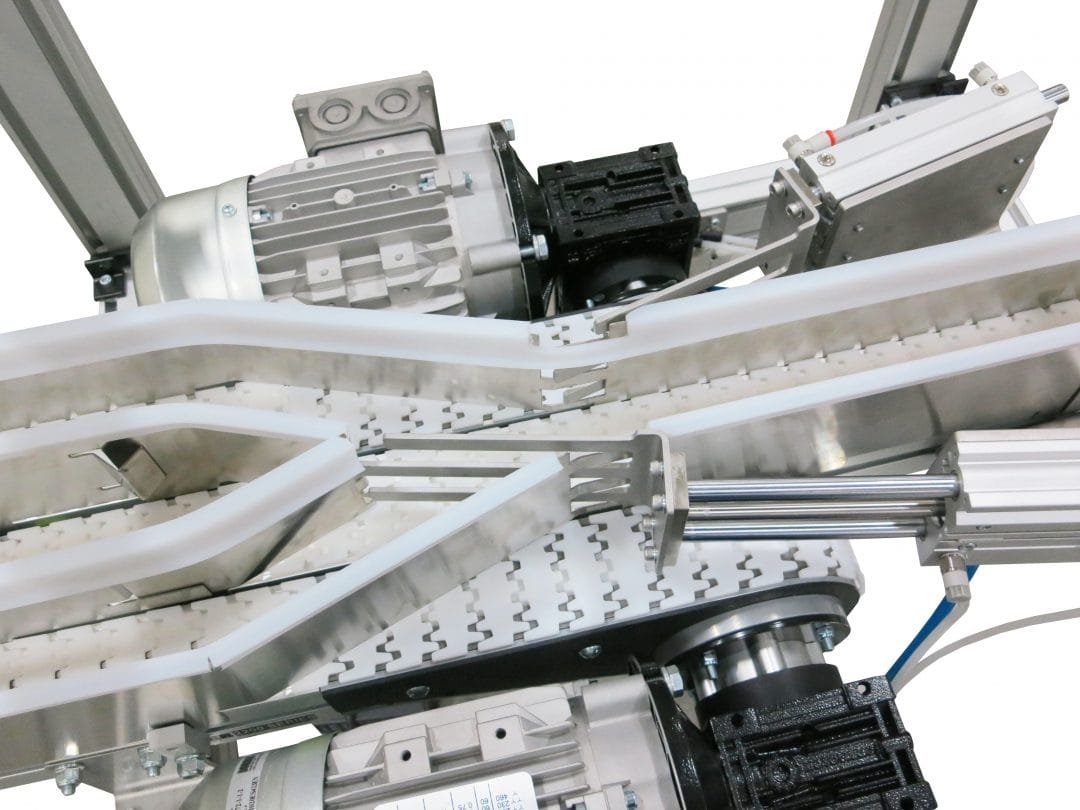
Merge solutions can combine two, three, four or more lines and singulate product for the next production stage. Depending on the product and application, control may be manual, motorized or pneumatic.
07Applications
The same core technologies support six connected handling functions, from accumulation and merging to a fully customized conveyor system.
Buffer products so upstream and downstream processes continue operating efficiently.
Route products by attributes, destination or production-line capacity.
Consolidate multiple infeed lanes into a controlled single stream.
Meter, gap and sequence products for the next operation.
Protect stability and orientation while products change lanes or conveyors.
Combine standard and engineered components around a specific workflow.
08How merge conveyors work
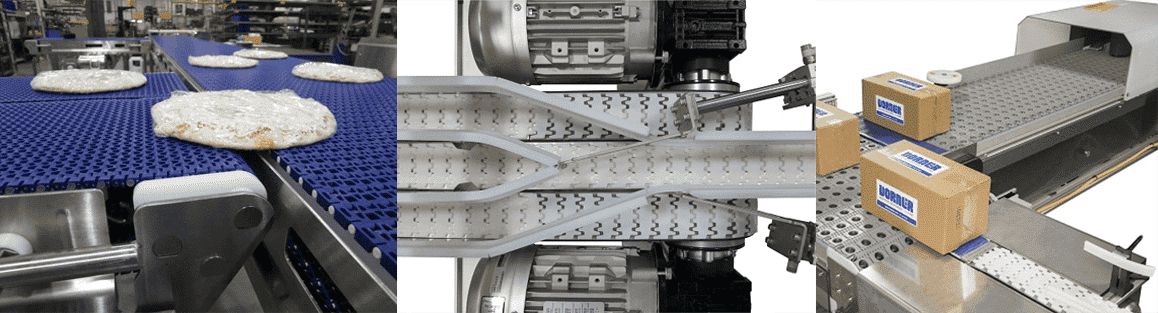
Merge conveyors combine two or more product lanes into a single line. The right approach depends on product geometry, stability, weight, rate and the required downstream sequence.
Automatic merging supports smooth, safe transport while reducing the manual intervention that can lead to stoppages and inconsistent product flow.
09Source case records
These retained examples show how line rate, product stability and downstream equipment change the required merge design.
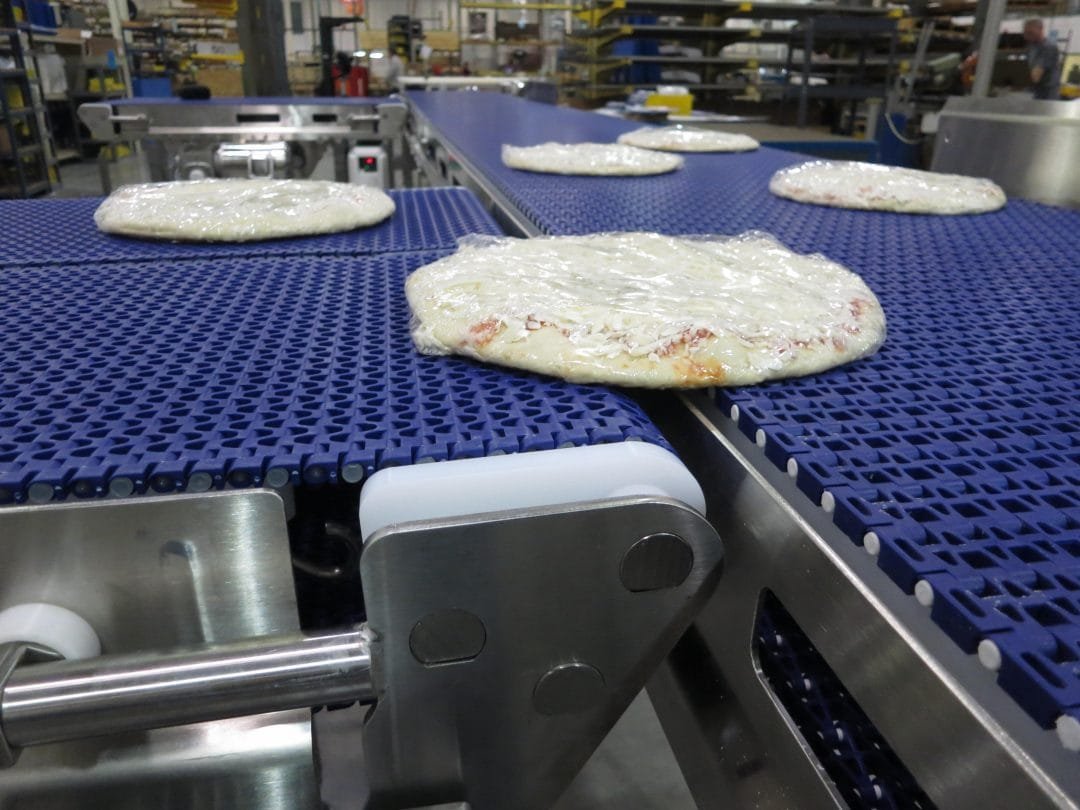
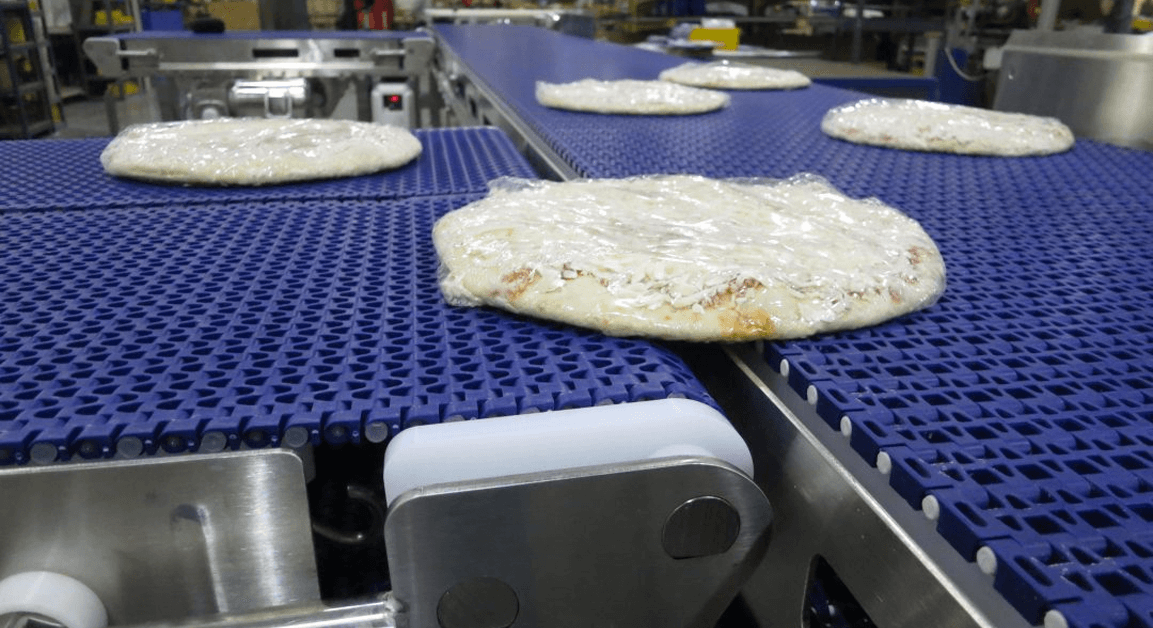
A former process required an employee to intervene so frozen pizzas flowed smoothly. An automatic merge created smooth, safe transport, reducing downtime and improving productivity and efficiency.
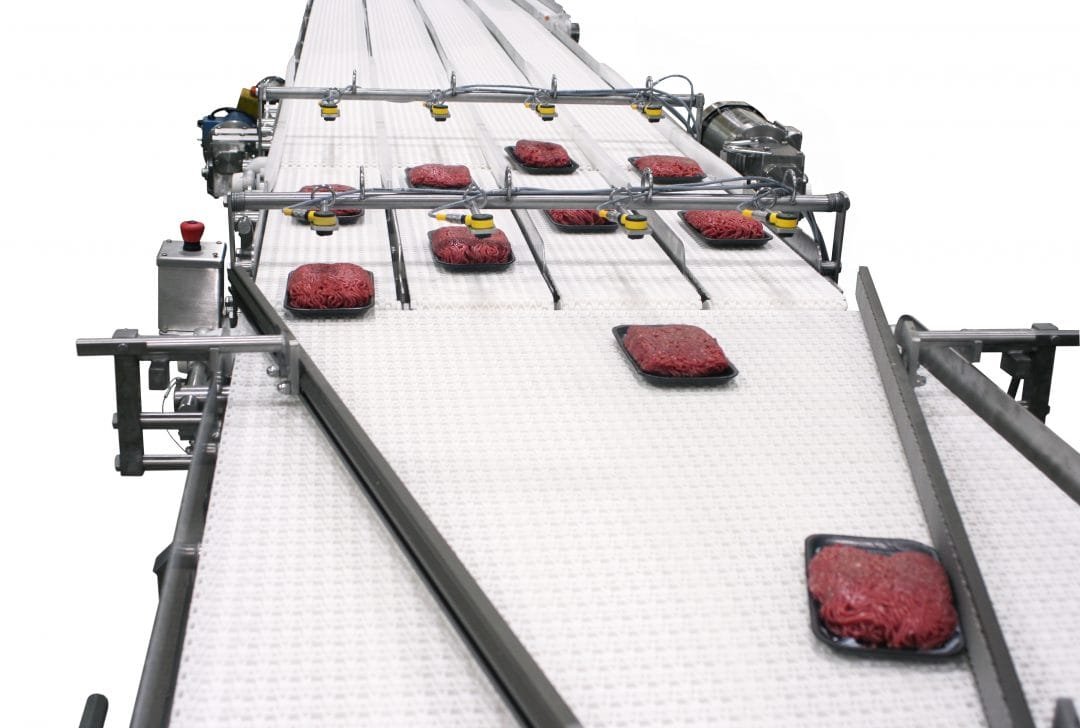
ResultAutomatic two-to-one product flowRandomly spaced product left a cleaning and drying unit across four lanes at 40 parts per minute per lane. Sensors, servo motors and pacing conveyors gapped the product before four individual servo lanes merged it for an X-ray machine.
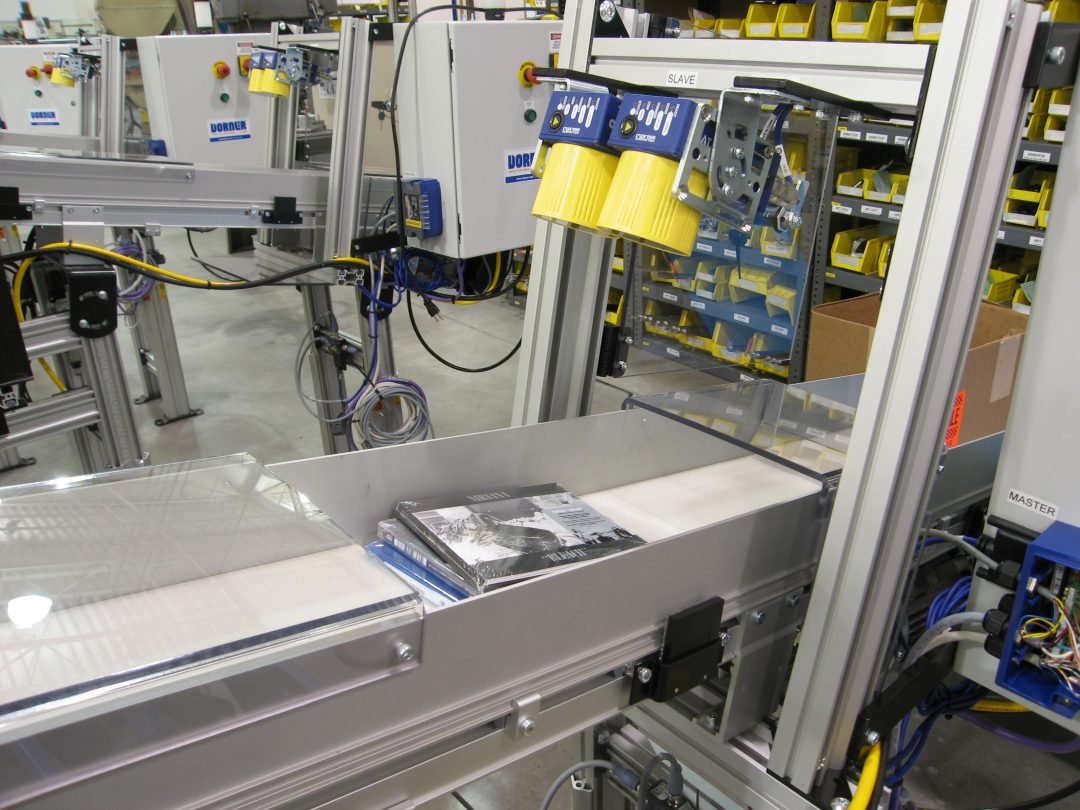
Result160 parts per minute after mergingFlexible-chain mainline conveyors used a powered side guide at transfer points. A high-friction belt gripped each small plastic bottle to prevent tipping while it transferred from one conveyor to the next.
ResultControlled movement of unstable products10Ways to merge
Each method solves a different combination of load, fragility, stability, speed control and lane-count requirements.
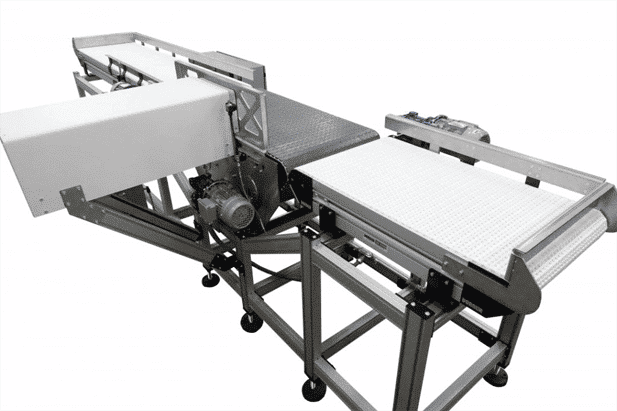
Two infeed lines can transfer products onto a centre conveyor in front of a pusher. Source applications include heavy-duty products weighing up to 500 lb / 226.8 kg.
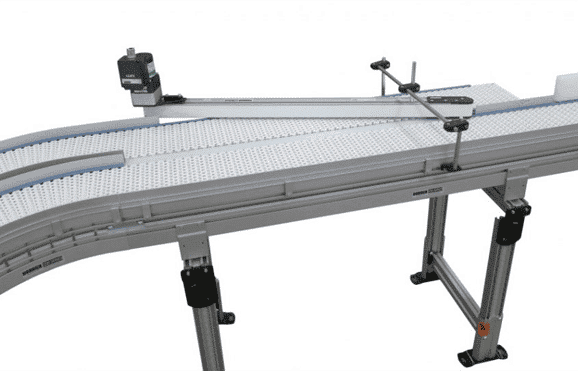
Useful for heavy products requiring transfer assistance, delicate products that should not rub against a static guide, and precision applications requiring better speed control. It can also pull a gap between products.
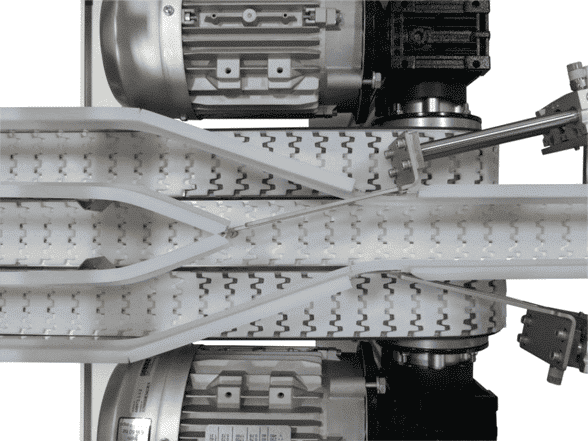
Gates at the merge point open or close, allowing one line through while product waits behind a closed gate on the other line.
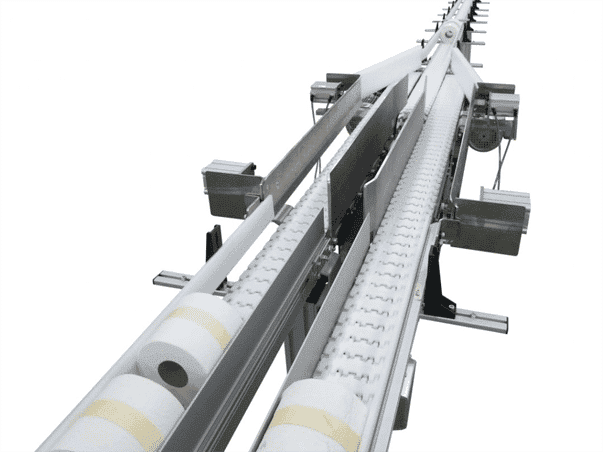
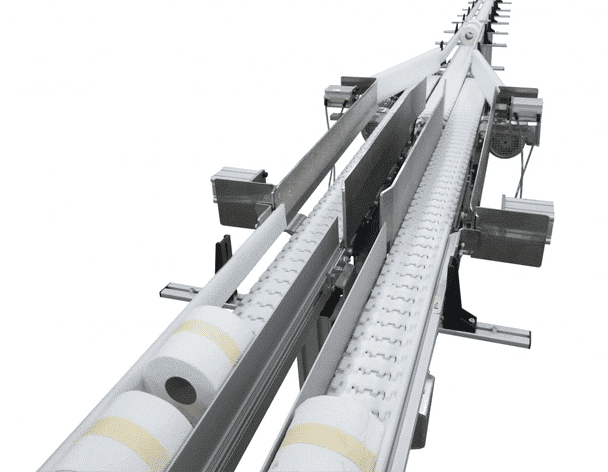
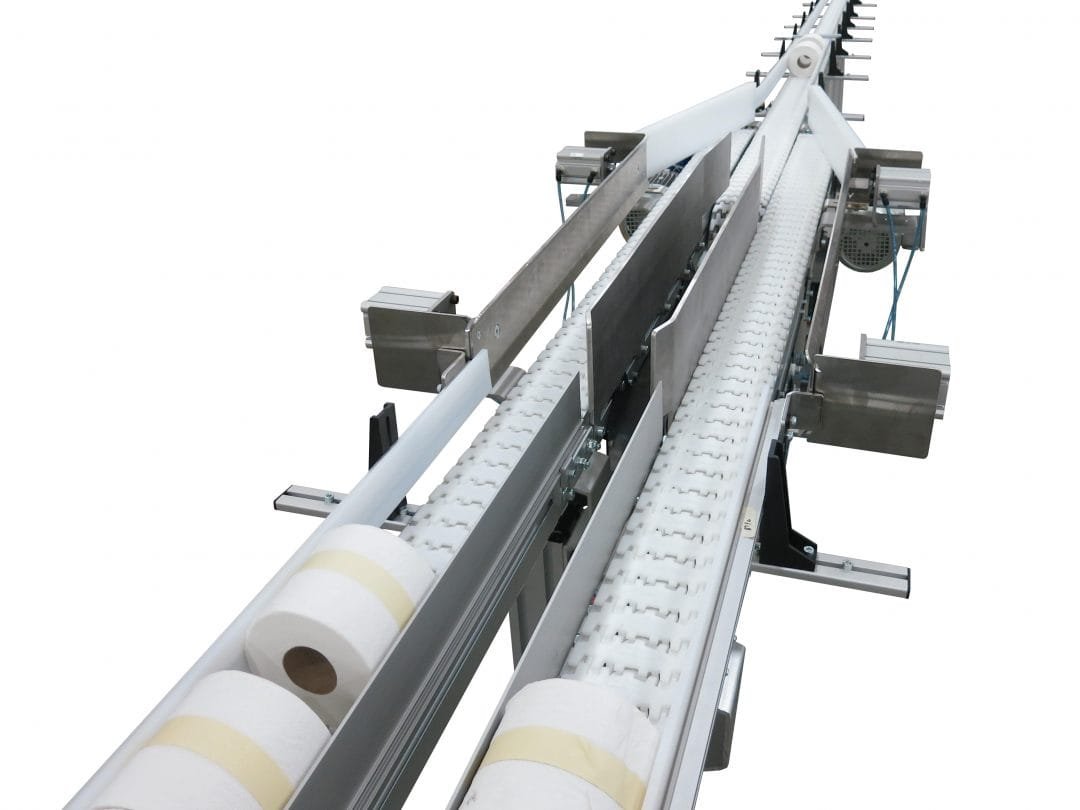
Pneumatic squeezers hold rolls in place on one infeed, allowing that side to accumulate until the products are released.
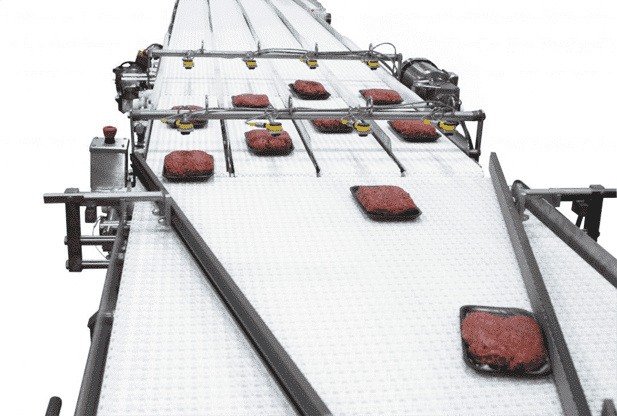
Custom merge systems can support five-to-one or six-to-one flow when required. A four-to-one packaging merge may combine sanitary conveyors, servo motors and photo eyes for fast, consistent throughput. Stainless-steel washdown construction supports sanitation and food safety where the application requires it.
11Diverting & sorting
Conveyor diverters and sorting conveyors handle products according to characteristics such as weight and shape, as well as the capacity and destination of each line.
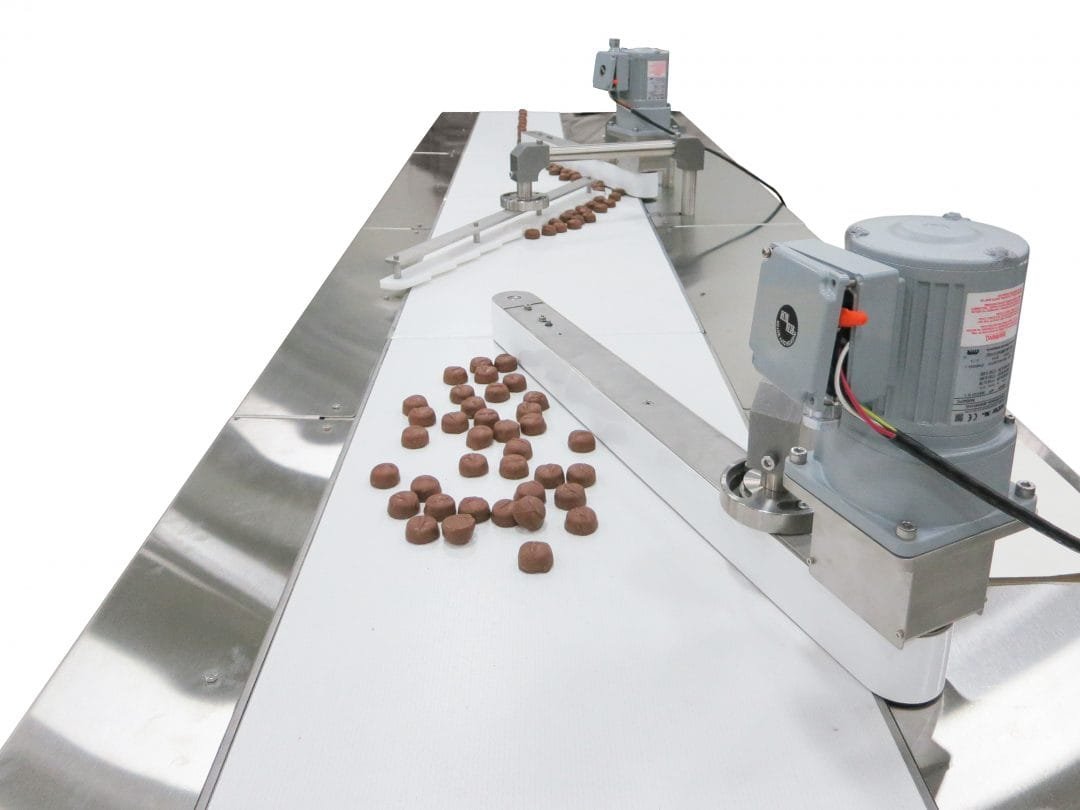
Simple static guides and plows or dynamic gates and paddles can be added to a base conveyor. For modular applications that do not require complex control, a divert arm may provide an effective solution. Powered transfers maintain speed through the transfer, while retracting tails can extend or retract to perform several flow-control functions.
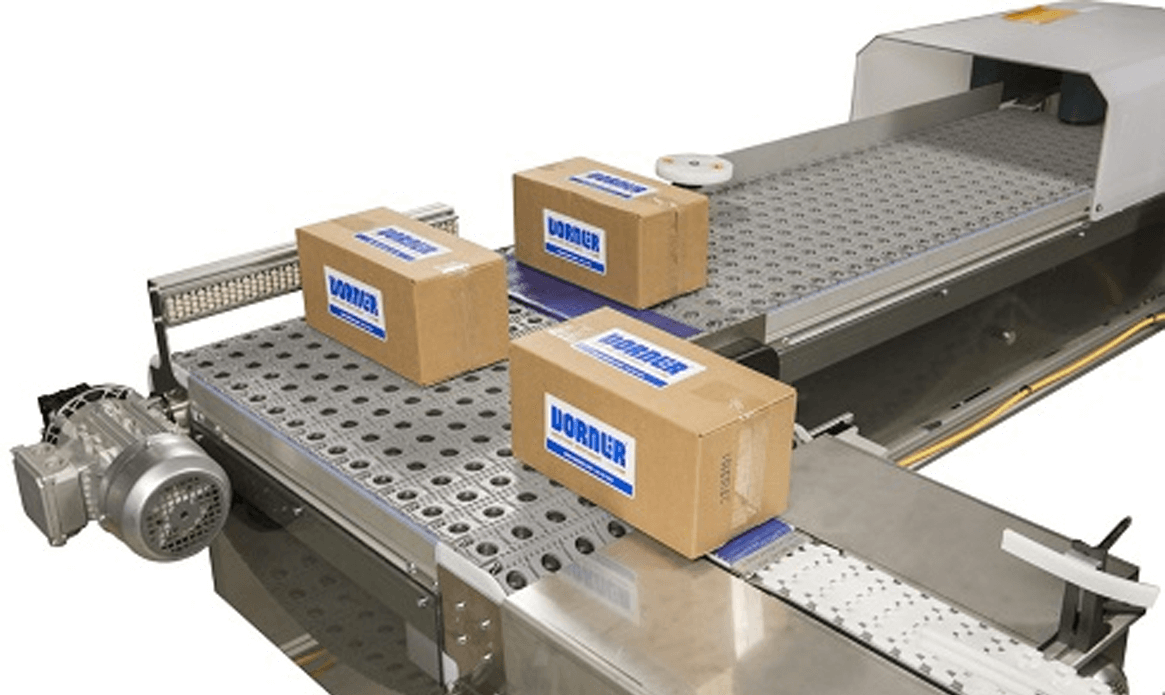
Static guides, plows, dynamic gates and paddles change product direction to one or multiple locations and meter flow into specific areas.
Side-mounted or overhead pushers are selected according to product and stroke length, moving products perpendicular to conveyor flow.
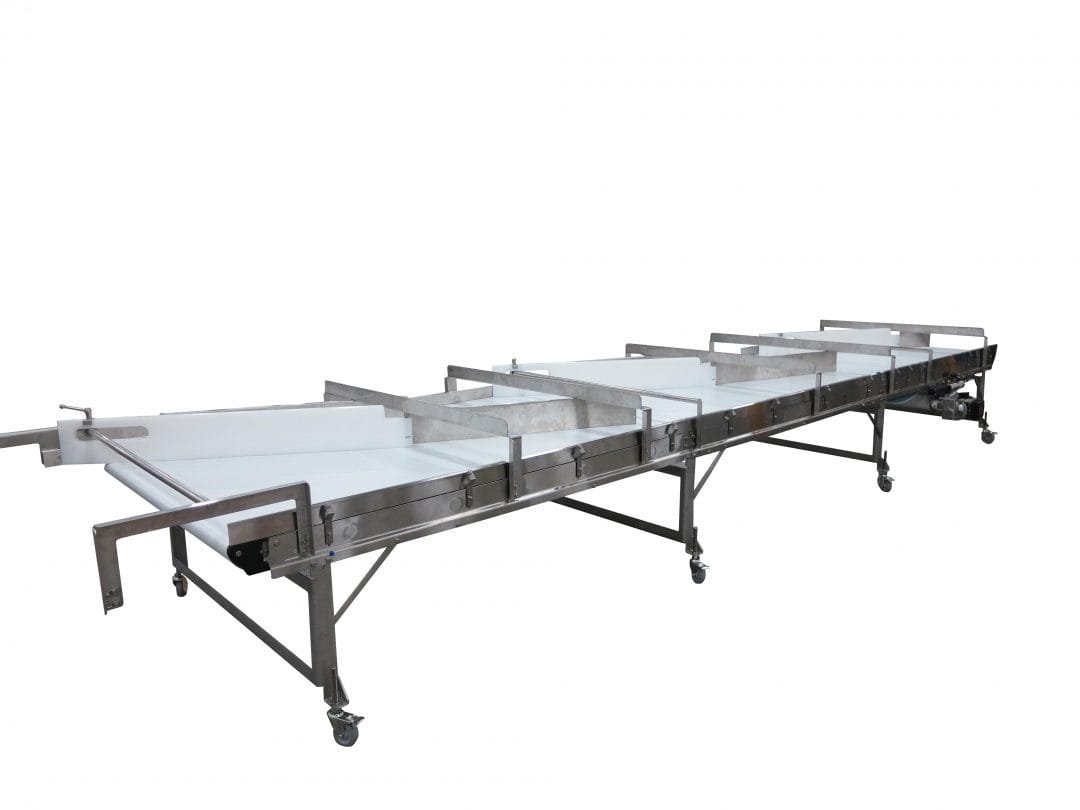
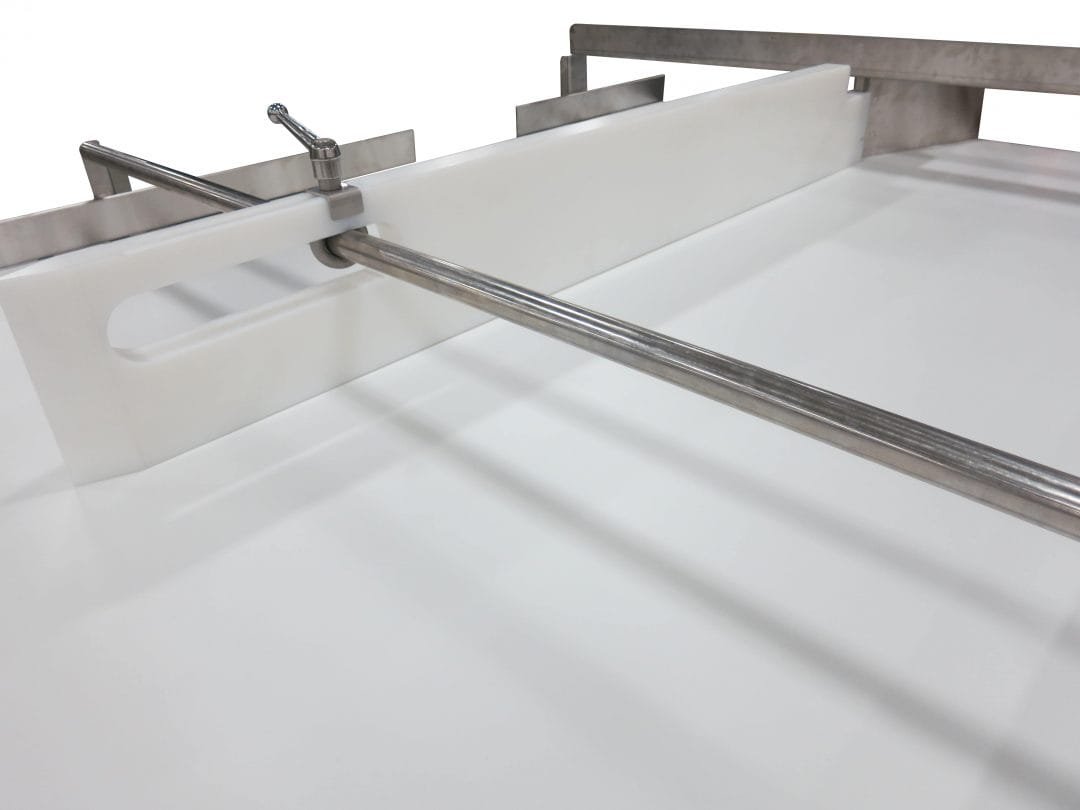
Guides create multiple product lanes across the width of a conveyor belt and control how products move between them.
12Custom system support
A standard conveyor can be modified or combined into a fully custom merge, diverting and sorting system. Project scope should cover analysis, design, installation, training and long-term care.
Define product, throughput, route, interface and operating requirements before the concept is selected.
Develop the layout and check conveyor relationships, transfers, access and available space.
Engineer the structure, controls and handling components around the application.
Plan delivery, staging, setup and debugging so the equipment starts efficiently and performs as intended.
Prepare operators to use the merge, diverting or sorting equipment comfortably and efficiently.
Inspect belts, pulleys, bearings, drive trains, gearmotors and accessories; maintain tracking, tension and lubrication.
Installation, training, maintenance scope, fees, replacement parts and commercial terms are confirmed in the Roarer project proposal.
Talk to the sales team13Application gallery
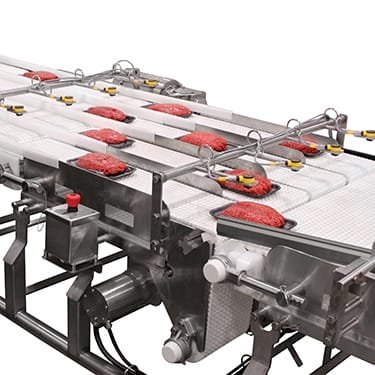
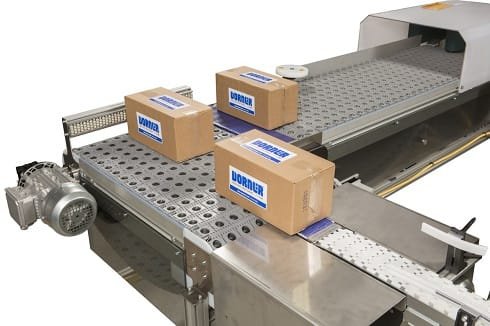
All eleven photographs from the archived application gallery are retained locally and organized here by flow-control function.
Share your infeed lanes, product characteristics, required output rate and downstream equipment. Roarer can help define the merge, diverting or sorting approach.
Discuss your application