Automation
Automated movement accelerates product flow. Time, cost and labor requirements are reduced while more products move through the process.
06Application solution
Keep products moving continuously through every stage of the line. The right conveyor configuration, automation and control method can improve throughput, accuracy and use of floor space.
07What is product flow?
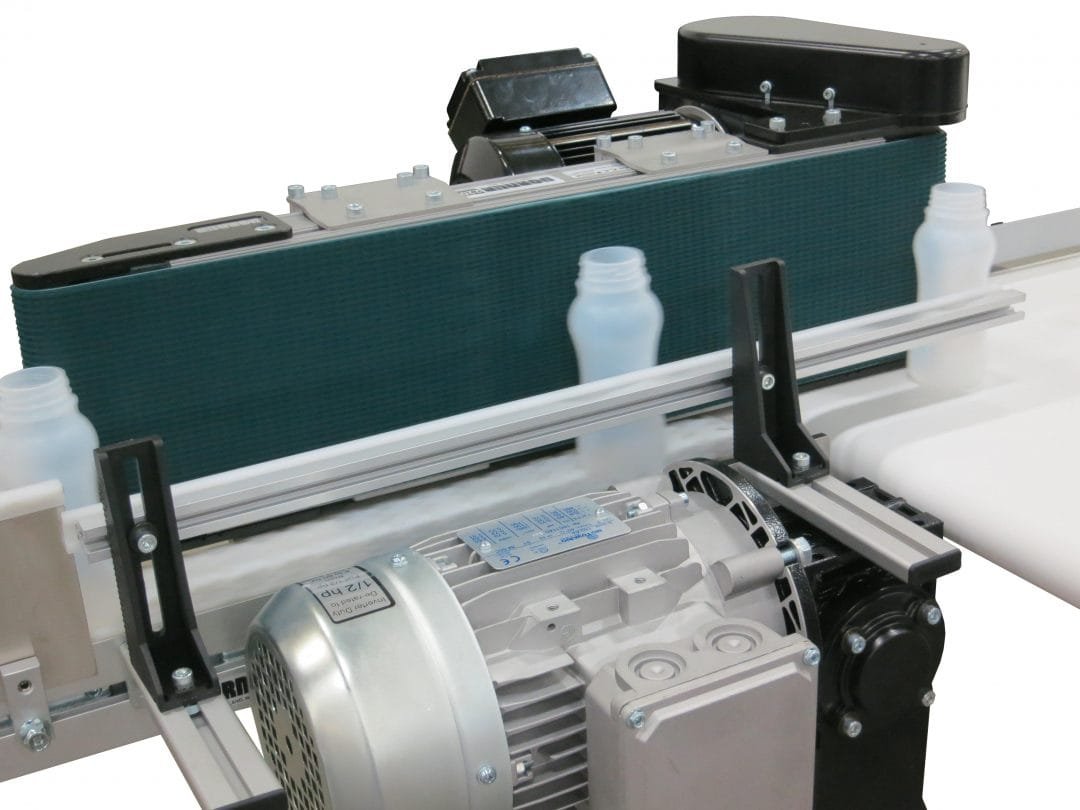
Continuous product flow is essential for maintaining efficiency and maximizing throughput. The required methods and components vary with the product itself, its path and the equipment used at each stage.
Conveyors are integral to that flow because they can be configured around manufacturing requirements. Their layout, automation and speed can substantially improve the efficiency and consistency of the process.
08Beyond the conveyor
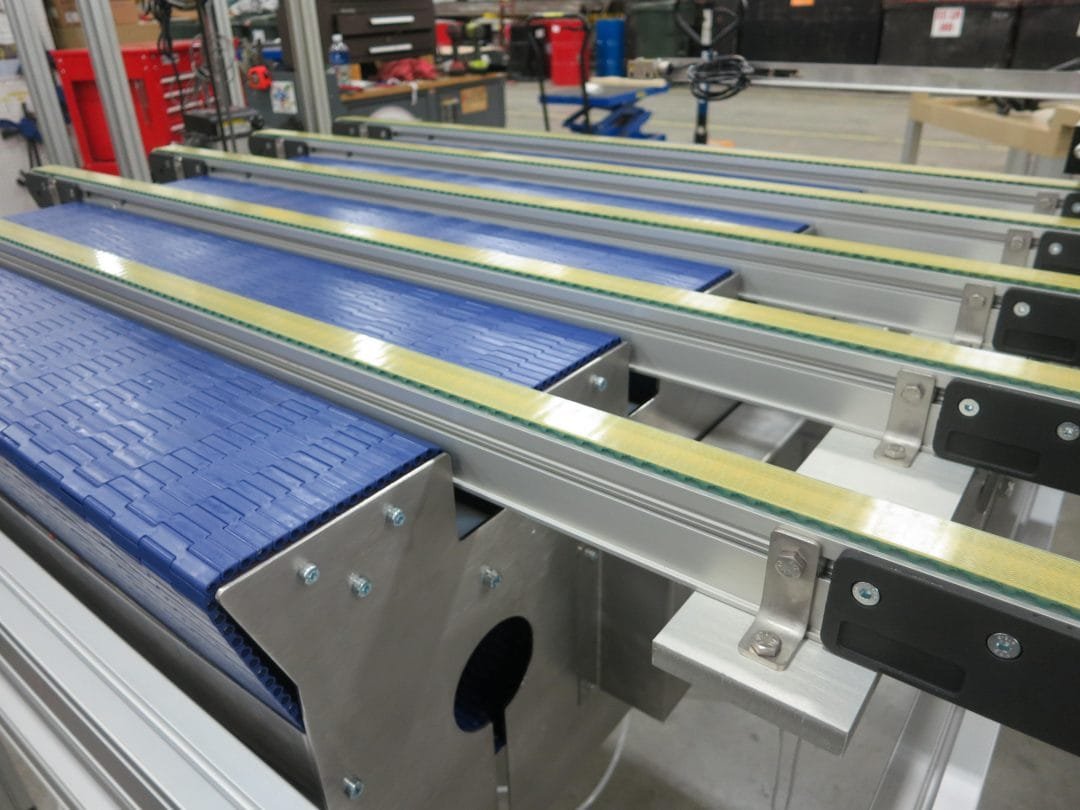
Conveyors are an important part of the equation, but internal processes and operations also need to be evaluated. Product movement is smooth, straightforward and less prone to errors only when equipment, people and production steps work as one system.
09How conveyors improve flow
Conveyors add value throughout the process by automating transport, standardizing movement and fitting the available production space.
Automated movement accelerates product flow. Time, cost and labor requirements are reduced while more products move through the process.
Consistent equipment movement reduces the manual checking and rechecking needed at different stages of the flow.
Conveyors can be configured around the manufacturer’s space and process so the flow does not interfere with other required equipment.
10Product flow and control options
The appropriate option depends on how products must change lane, distribute across the conveyor or leave the main flow.
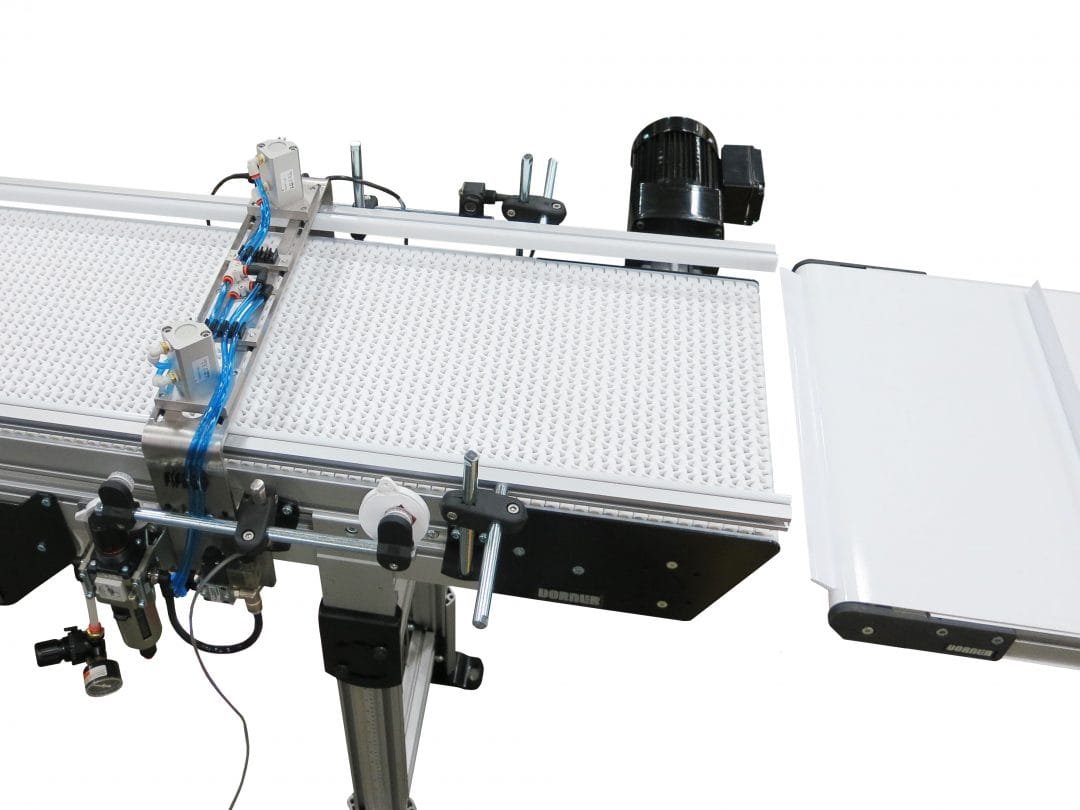
Move products from one lane to another or split product flow according to the process and machine availability. Automated diversion increases movement speed and reduces manual routing.
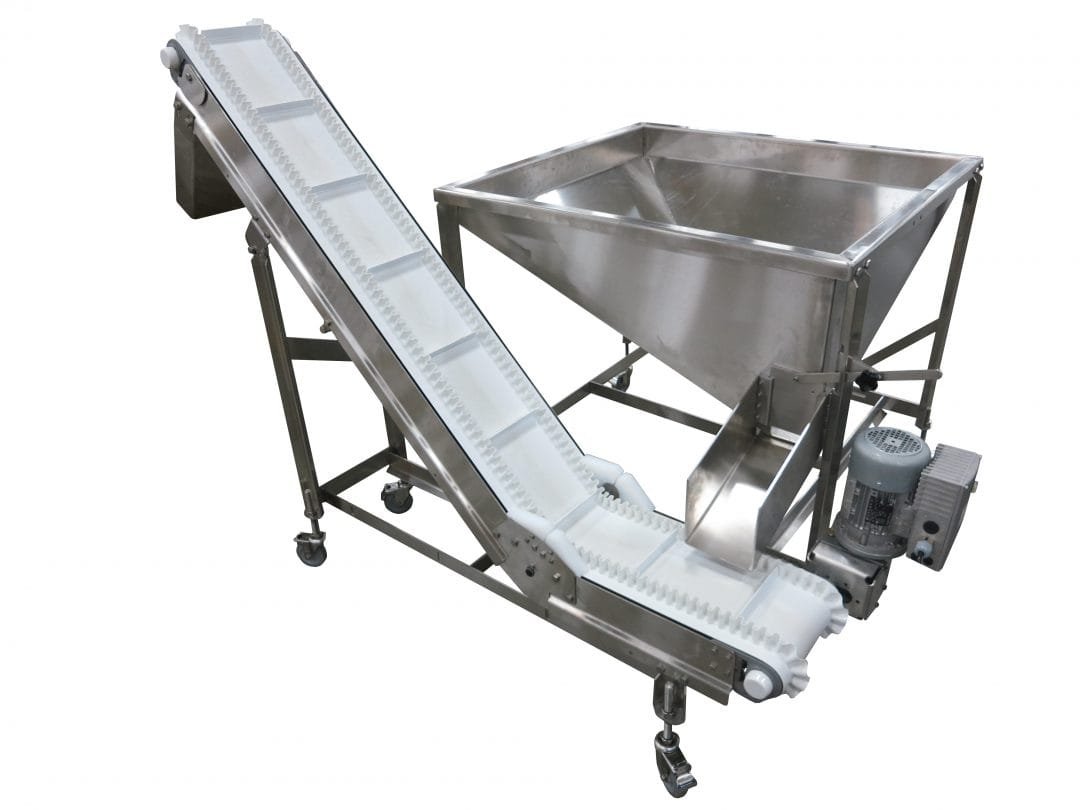
Move products from a central lane into several lanes. Product detection and correctly configured guides distribute the flow without creating blockages as lanes change.
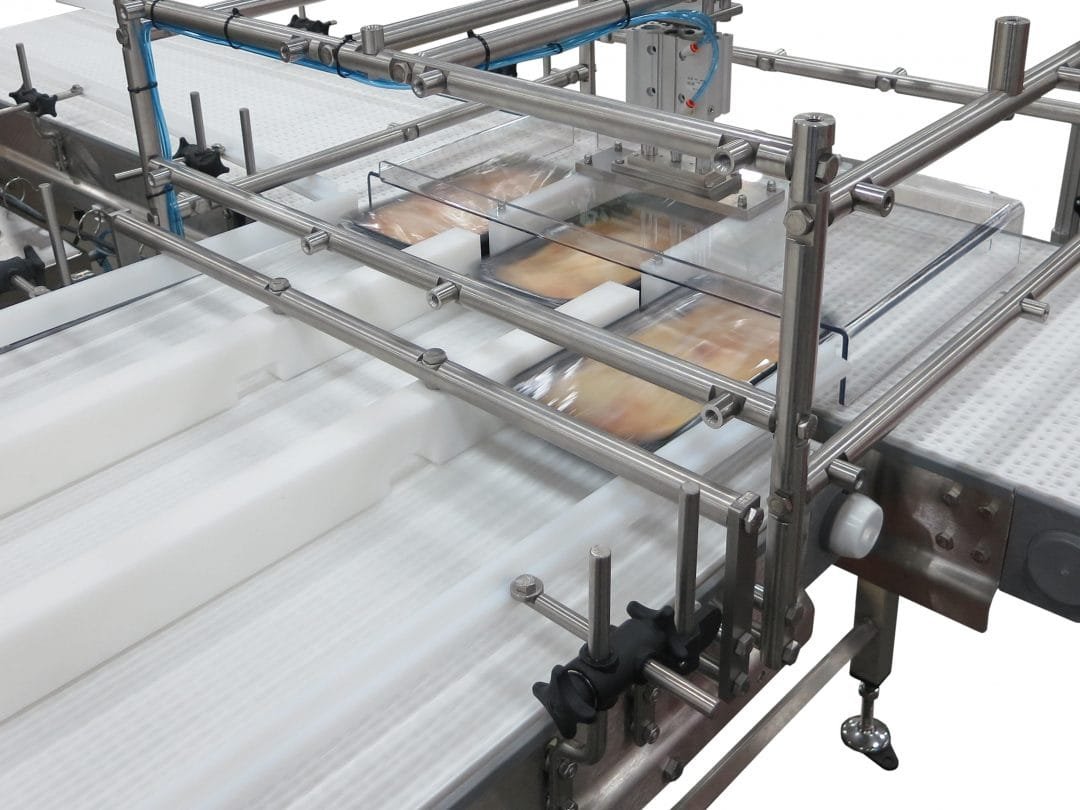
Move products off the conveyor in a perpendicular direction. Pushers can also assist heavy products so the line maintains steady movement.
11Planning the process
Identify these conditions early to develop a process that maximizes efficiency without adding avoidable handling risk.
Weight influences the selected control method. Pushers can move heavier products, while lighter products may require equipment configured to match their flow and speed.
Map the assembly steps and account for temperature, shape, stability, material, sanitation needs and other product-specific features.
Food and beverage processes must incorporate cleaning and safety into the flow while addressing relevant food-contact and regulatory requirements.
Perpendicular flow may require pushers. Movement across multiple lanes may instead require diverters, gates or lane-guiding configurations.
Longer production lines may need more control points and automation so each stage runs smoothly without disrupting the next step.
Increase speed while reducing irregularities. Evaluate each step and its equipment so faster flow does not depend on additional manual labor.
Select bearing types according to product characteristics, environment, load and the automation-control requirements of the process.
Choose the belt around product characteristics, required speed, error control and sanitary requirements for the automated functions.
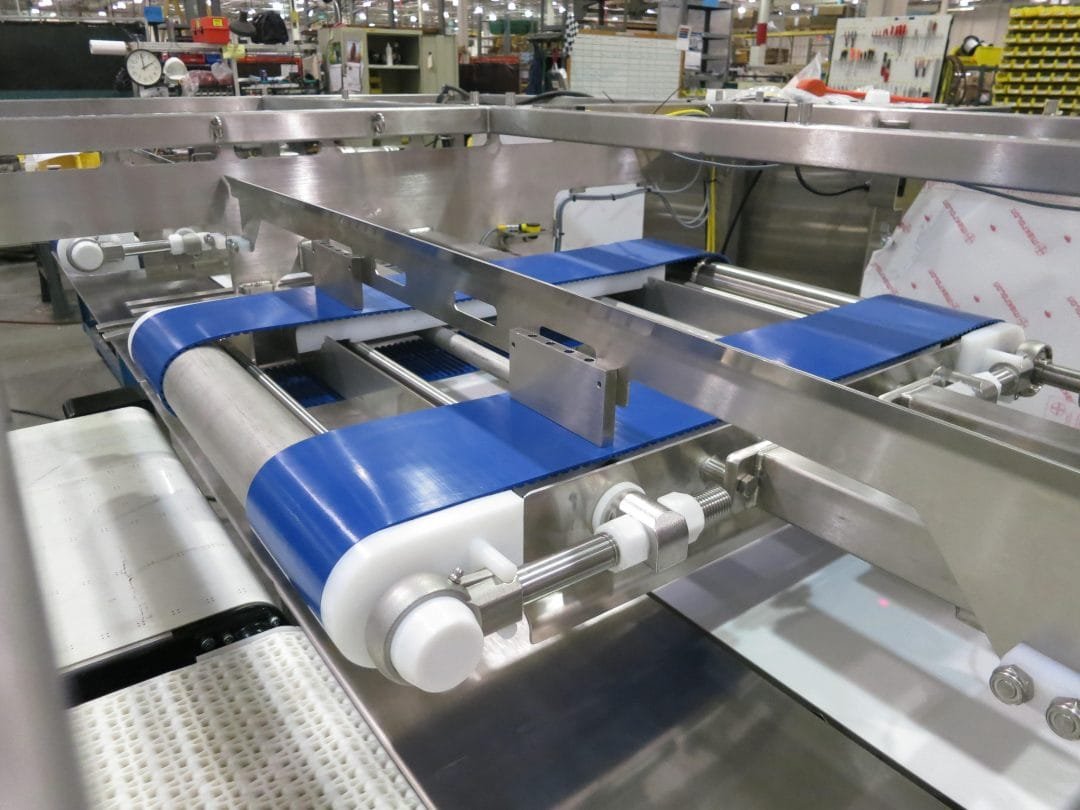
Every control point should support the next one.
Automation · direction · speed · accuracy12Frequently asked questions
Configuration, curved conveyors, sanitation, training and application support.
Conveyors improve flow by matching equipment configuration to the manufacturing process and the type of control required. The correct platform and controls automate movement, increase consistency and support the required rate.
Yes. Curved conveyor flow can use control options such as pushers, diverters and gates, and lane guiding, subject to product geometry and the curve configuration.
Sanitary applications can use stainless-steel conveyor construction, food-contact belting and plastic components selected for the applicable requirements. Open, cleanable geometry should minimize horizontal collection surfaces and support the required cleaning process.
On-site operating and maintenance training can be included where required. The applicable scope, availability and commercial terms are confirmed in the Roarer project proposal.
Contact Roarer by phone or WhatsApp on +256 704 418757 to discuss the product, flow path, production rate and equipment interfaces.
13Application gallery
All eight photographs from the archived source gallery are retained locally in the Roarer project.
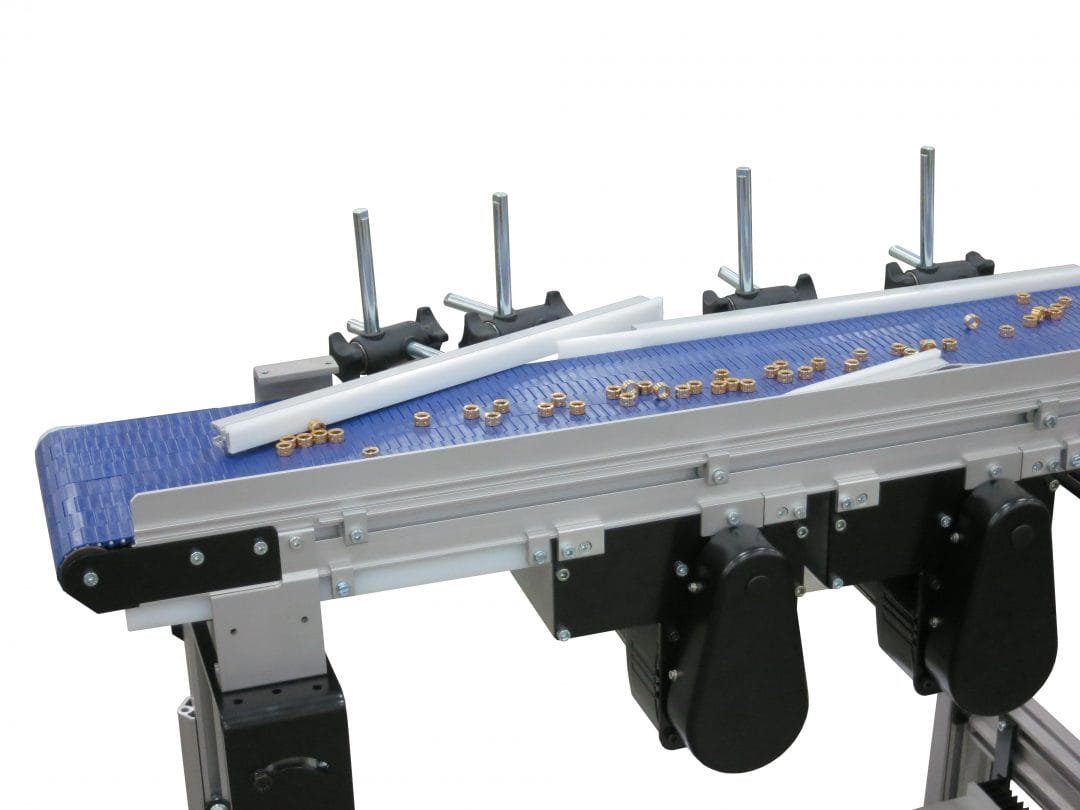
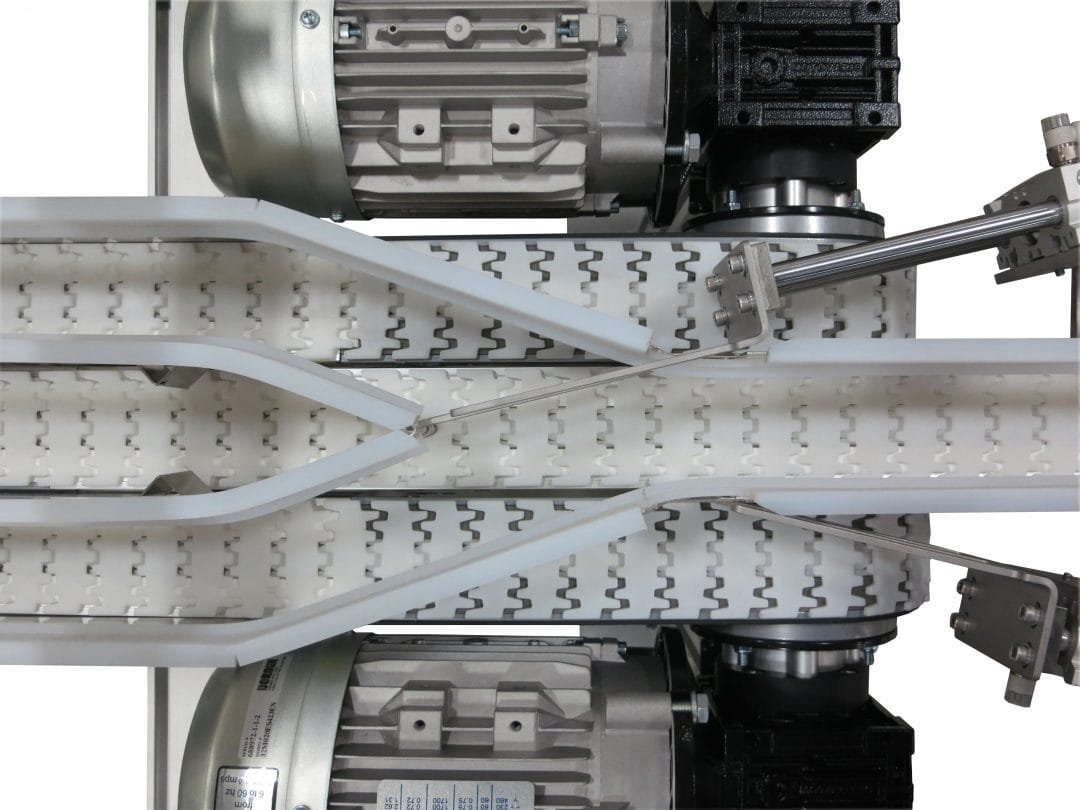
Share the product, direction, production rate, available floor space and control points. Roarer can help define the conveyor configuration.
Discuss your application