10Application solution
Custom conveyor systems
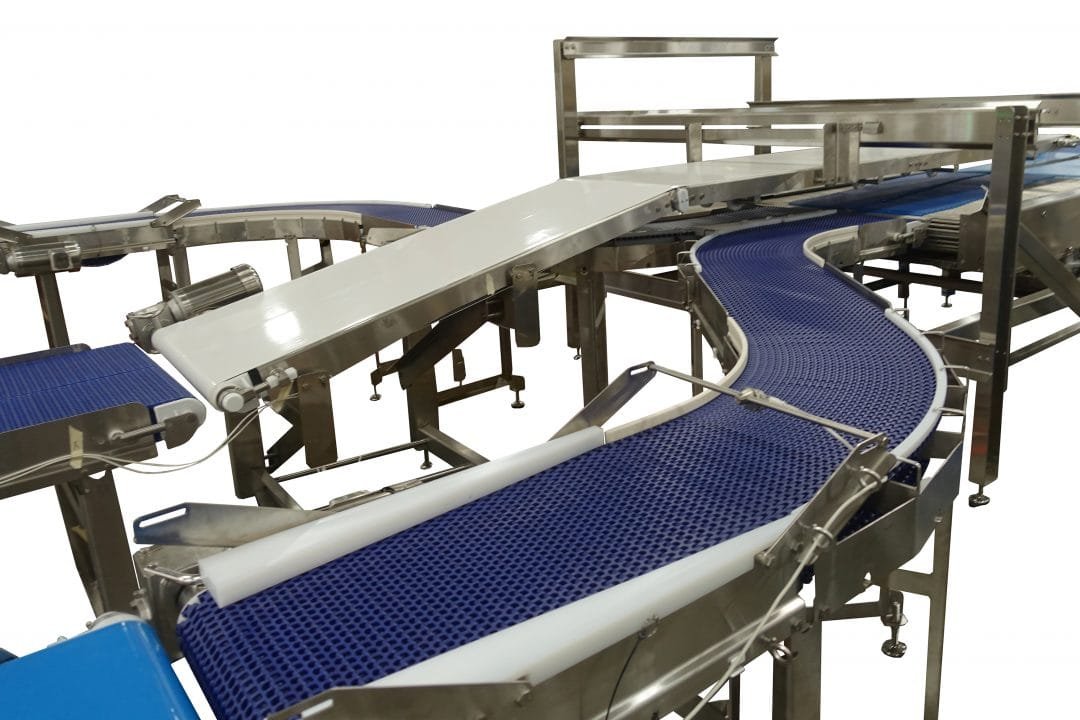
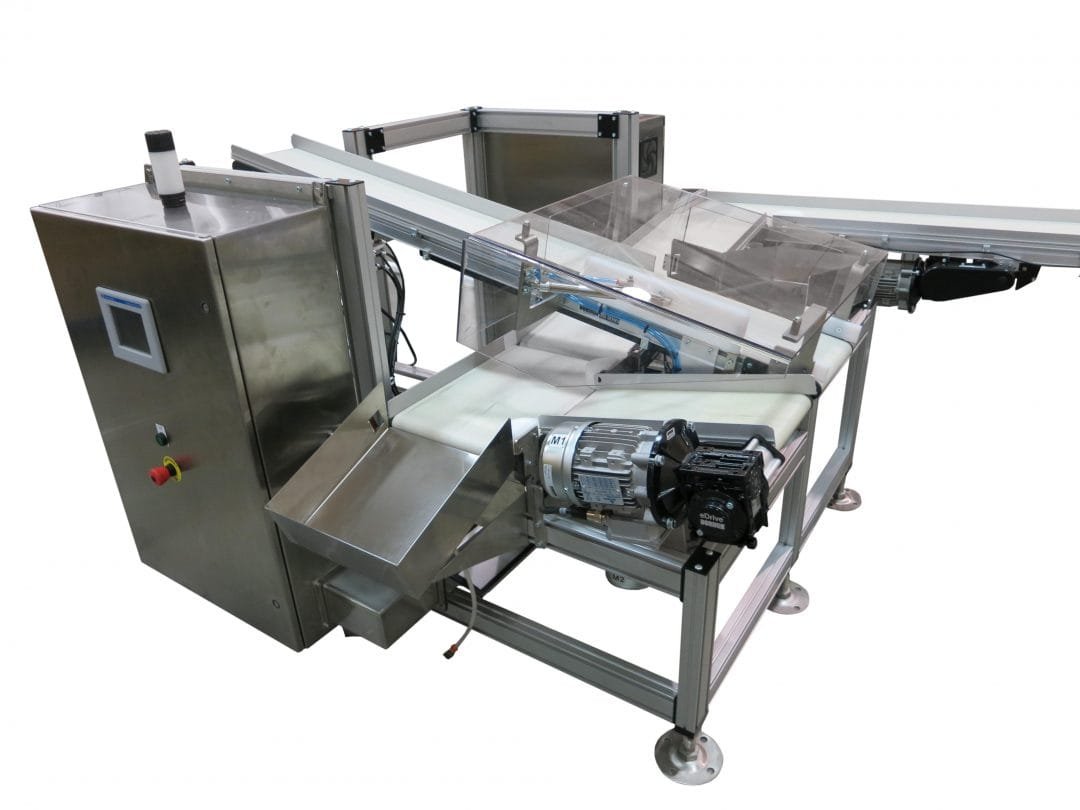
Beyond standard conveyor platforms, Roarer engineers modified standard conveyors and complete custom conveyor systems designed around the specific needs of a facility. Integrated conveyor solutions and controls help automate and optimize a process, reducing waste and downtime.
11A full-service engineering team
One team, from concept to commissioning.
Custom conveyor systems are developed by an engineered solutions group: a full-service team of drafters, designers, project managers, and application, electrical and mechanical engineers, together with the installers who set the system up on site.
2D / 3D CAD layout modeling
Mechanical design
Phased engineering
Controls: HMI, PLC & servo panel builds
Factory & site acceptance testing
Replacement & spare-parts programs
Project management throughout
12Types of custom conveyor systems
Six ways a system gets engineered around the product.
A custom system can combine several of these categories depending on the product, line and available space.
01
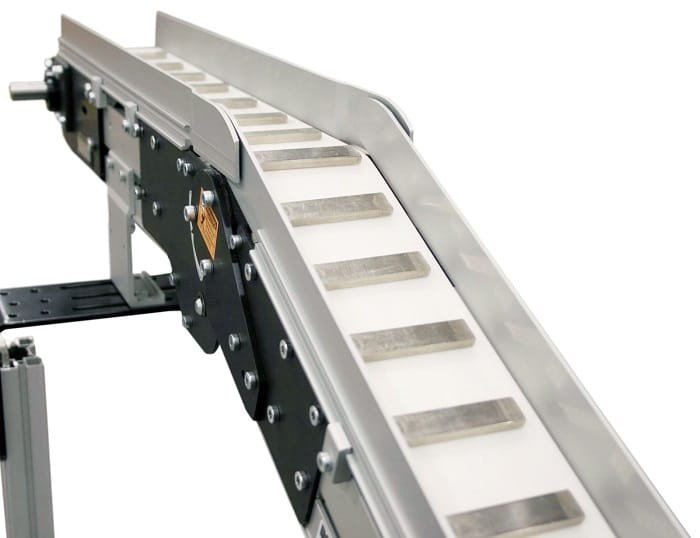
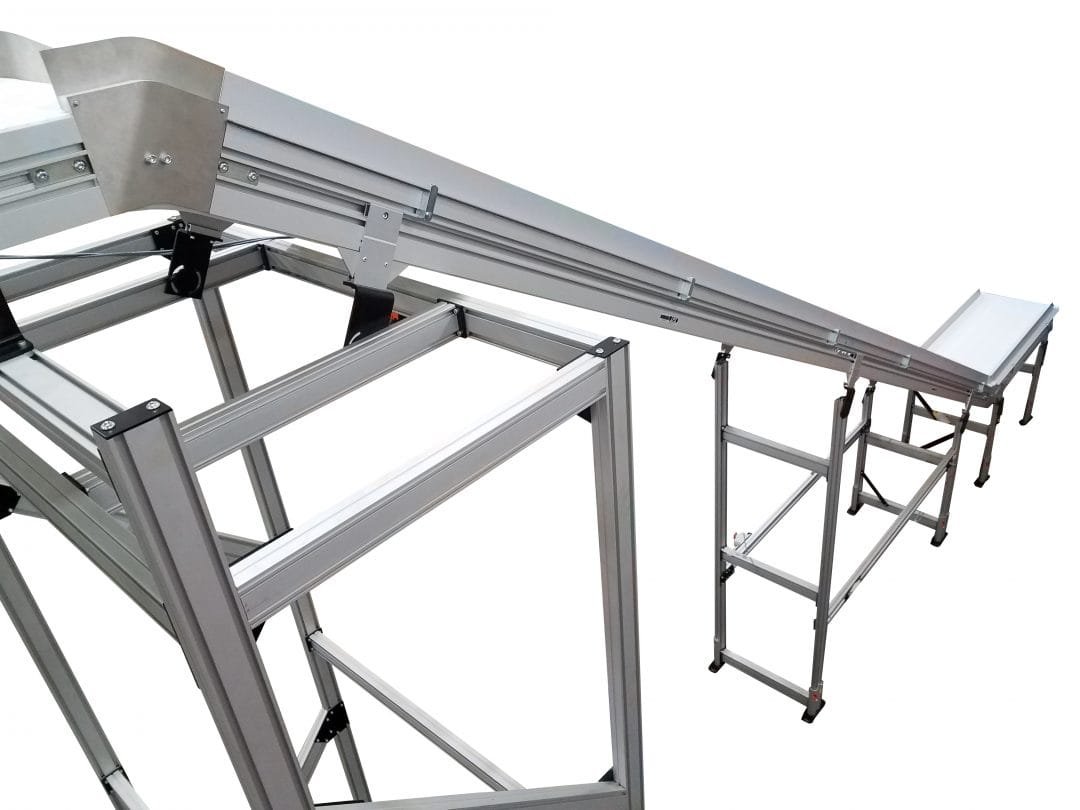
Work holding & elevation changes
Holding parts to the belt for elevation changes or controlled positioning can be achieved in a variety of ways, depending on the application and product.
- Magnetic conveyors
- Vacuum conveyors
- Special cleated conveyors
- Fixtured conveyors
02
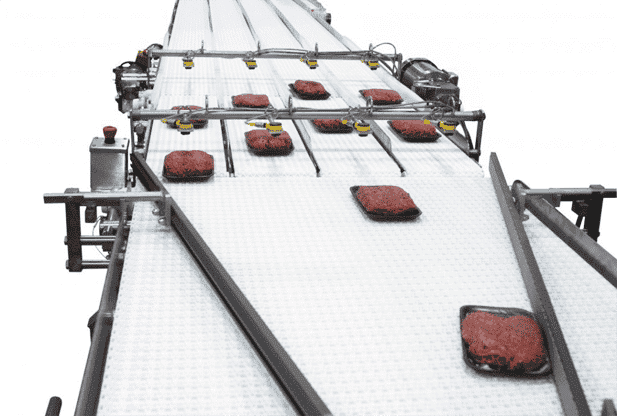
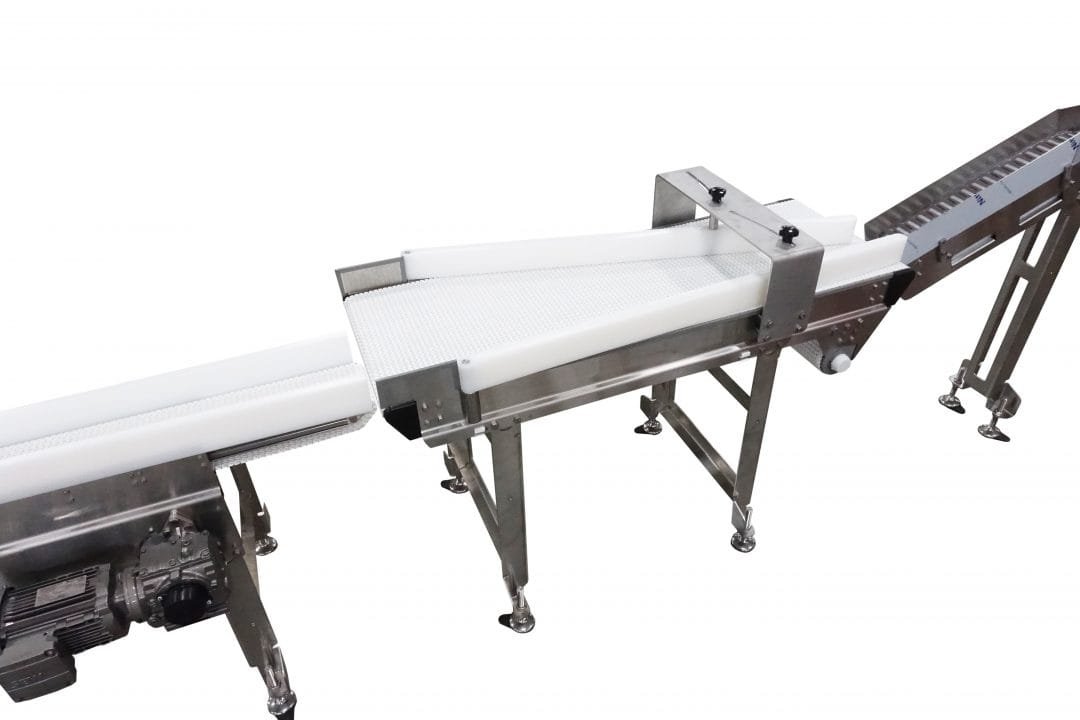
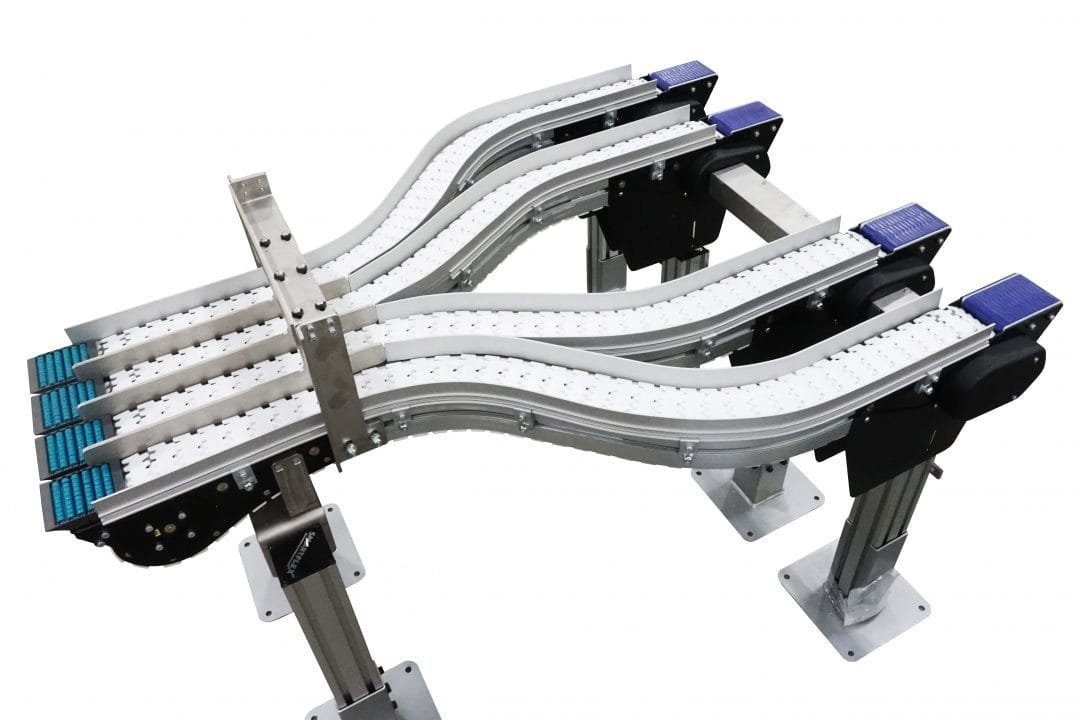
Product flow solutions
Controlling the continuous flow of products through the line is critical to maintaining peak efficiency, achieved with a range of methods and components depending on the product, flow path and equipment.
- Diverters, pushers & gates
- Merging
- Lane guiding
03
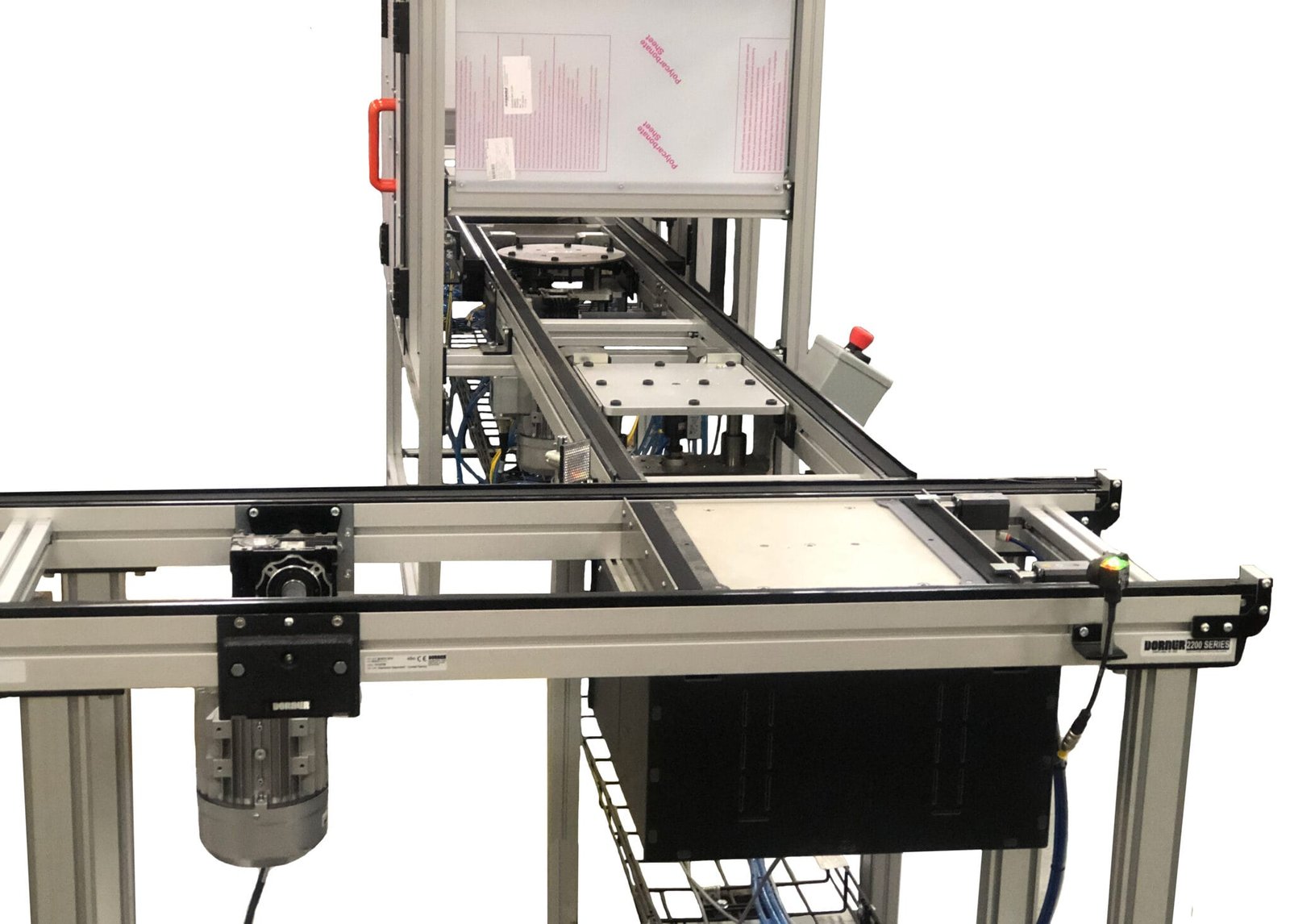
Positioning solutions
Product positioning when stopping is often necessary for processes such as inspection, assembly or feeding items into equipment, achieved using different conveyor solutions depending on the accuracy required.
- Servo drives
- Timing belt conveyors
- Shaft encoders
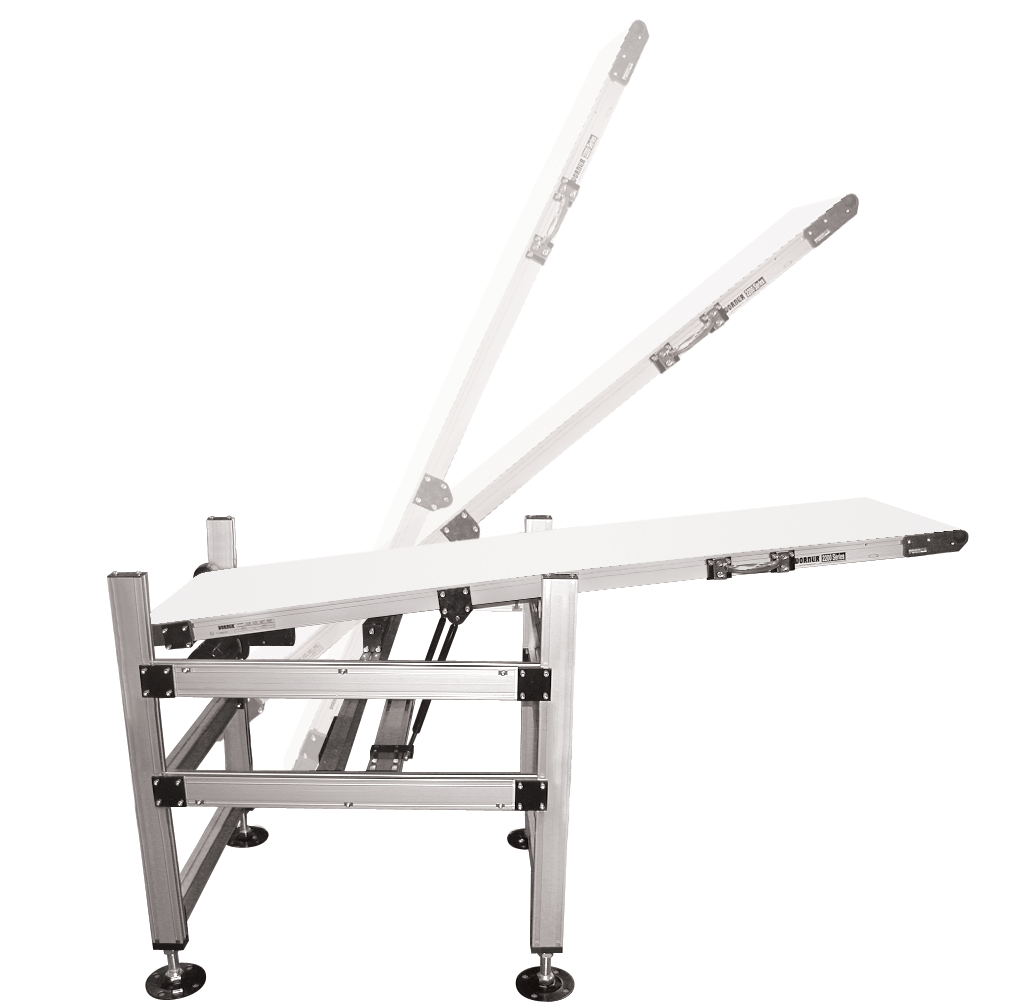
04
Line access solutions
Line access solutions help free up valuable floor space. Lift gates and pivot conveyors built into the line provide access to equipment and work areas, and support the efficient movement of personnel.
- Lift gates
- Pivot conveyors
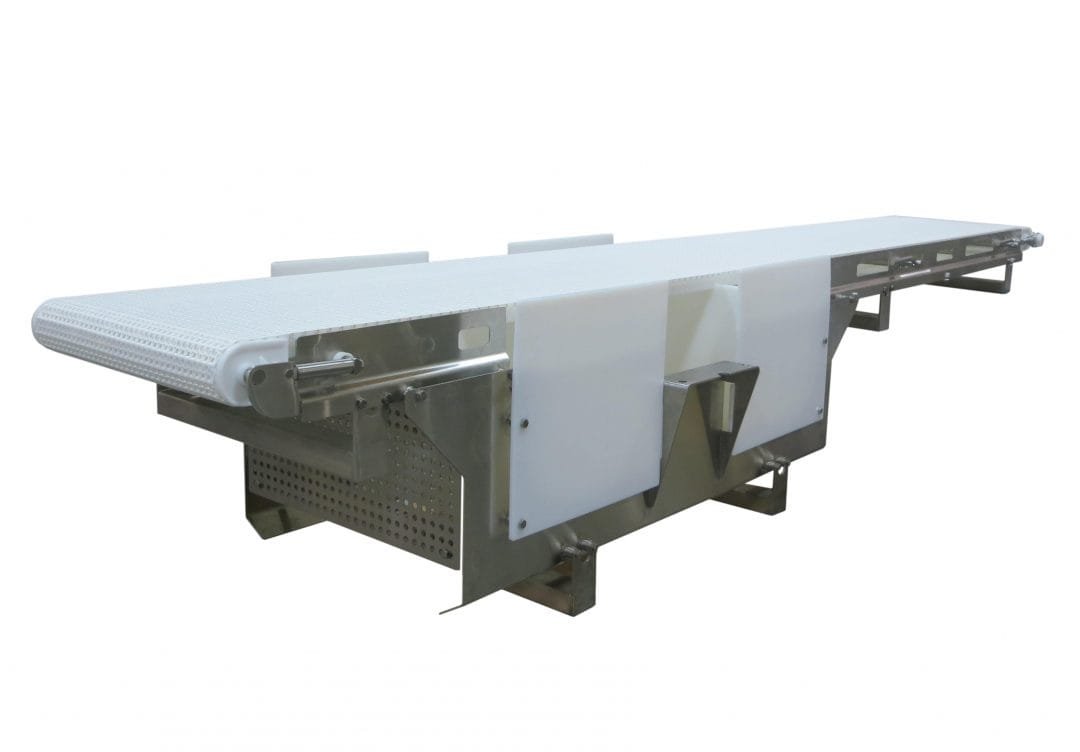
05
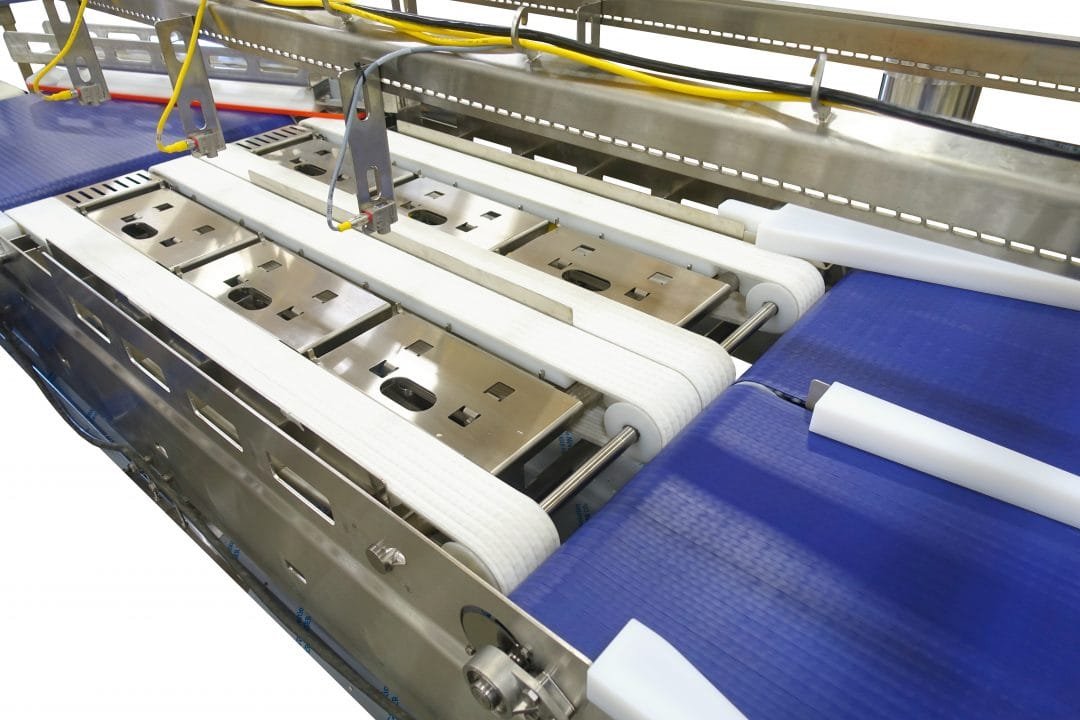
In-line inspection solutions
In-line inspection is a pivotal step in most manufacturing facilities: testing whether a product works, inspecting food or pharmaceutical products for safety, or examining weight, size and shape for quality control. These processes can be automated and enhanced with a range of conveyor modifications.
- Backlit conveyors
- Metal-free conveyor zone
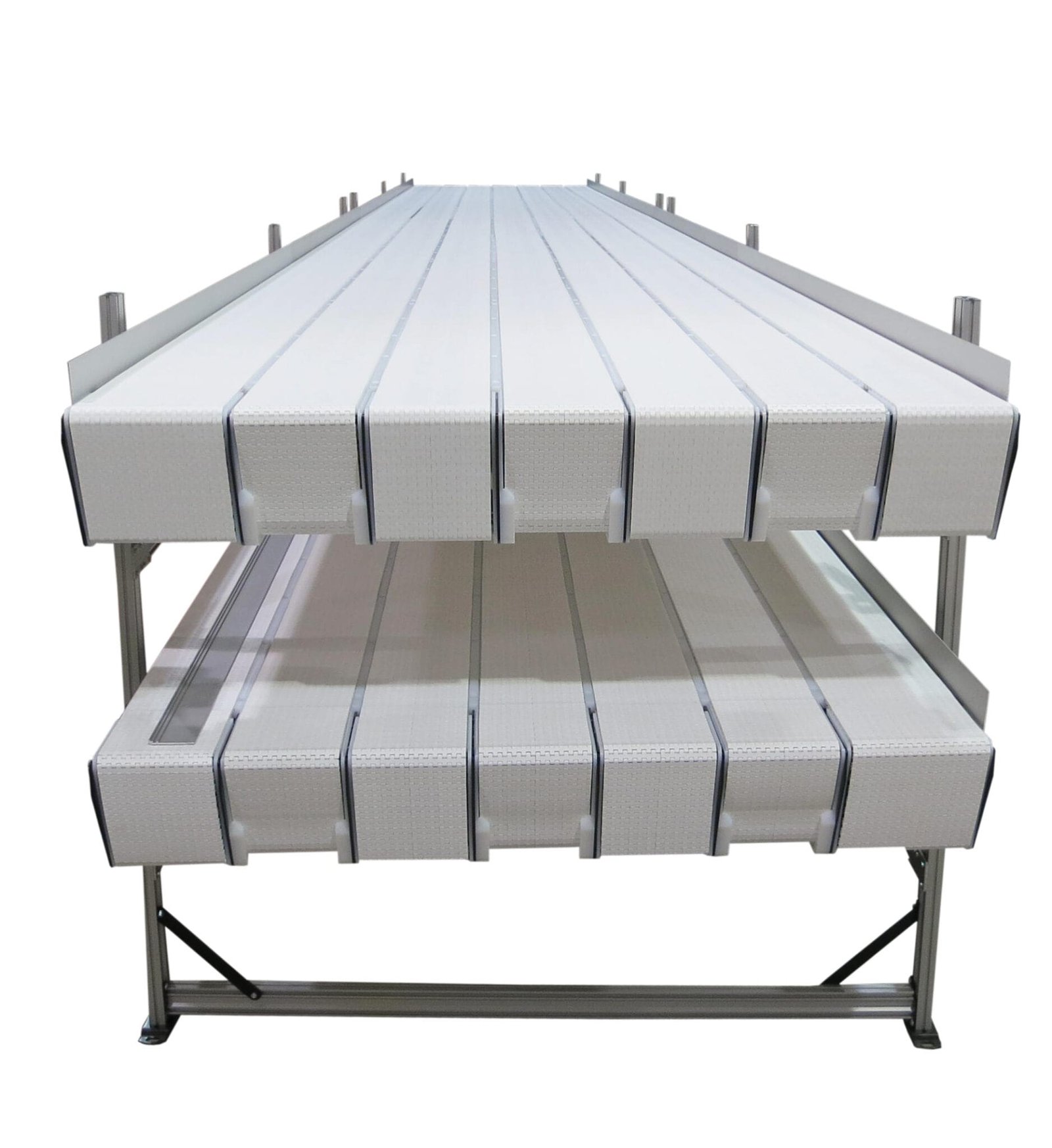
06
Multiple belts, one drive
When multiple lanes of product are needed, driving multiple belts or conveyors from a single drive is an energy-efficient option. For wider products, common-driven conveyors help maximize efficiency and space.
- Common driven conveyors
- Multiple belt conveyors
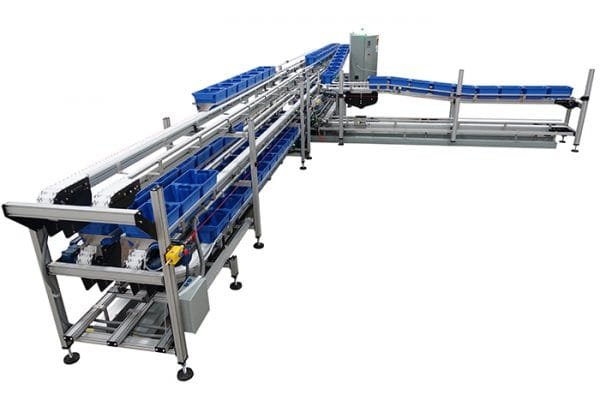
13Custom-built, not adapted
Application, design and engineering knowledge in one place.
Roarer applies application, design and engineering knowledge to help raise the output and efficiency of a production line, whatever its scale or complexity. Every custom conveyor system is scoped to fit the specific application, delivered as a complete and properly commissioned solution.
14What is a conveyor system?
The mechanics behind every configuration.
A conveyor system is a piece of mechanical equipment designed to transport items between locations. It offers notable speed and safety benefits, especially moving heavy or bulky items, compared with manual handling. Systems typically comprise a frame supporting rollers, wheels or a belt, powered by a motor or gravity, with some relying on manual power.
Conveyor solutions provide a range of functions, including accumulating, depositing and rejecting, indexing and positioning, inspection and testing, and product flow and control.
- Load capacity
- Load capacity per unit length determines the loading margins of the system.
- Maximum load capacity
- Also known as flow rate, applied to fixed-length conveyors.
- Speed
- Belt conveyors are typically rated in feet per minute; roller conveyors by linear velocity.
- Throughput
- Volume per unit time, such as cubic feet per minute, measuring handling capacity.
- Configuration
- Frame shape: straight, incline, decline, Z-frame or curve.
- Drive location
- The placement of drives within the conveyor system.
15Beyond the conveyor itself
Installation, training and maintenance.
A custom system is only as good as its startup and its upkeep. All three services are scoped as part of the Roarer proposal.
Conveyor installation services
Qualified engineers support an efficient, trouble-free startup, including turn-key delivery, staging, setup, debugging and maintenance training, so the new system is installed correctly and ready to run.
Conveyor systems training
Employees are trained on equipment safety and system operation by experienced field and service staff, so the team understands how to run the equipment and get the performance it was designed for.
Preventative maintenance program
Keep a custom system finely tuned with an on-site needs evaluation, a labor or labor-with-parts service proposal, inspection and adjustment of belts, applicable lubrication, basic belt tracking and tensioning training, and inspection of pulleys, bearings, drive train and gearmotors. Scope and terms are confirmed in the Roarer proposal.
16Application gallery
Custom systems in practice.
All six photographs from the archived source gallery are retained locally in the Roarer project.
Design a system around your line.
Share the product, process steps, line layout and required functions. Roarer's engineering team can scope the right custom configuration.
Discuss your application