Does the product work?
Test functional attributes before packaging, then use manual or automated control to remove damaged or malfunctioning product.
20Engineered solution
Product inspection and testing is central to quality and safety: confirming a product works, checking foods or pharmaceuticals for foreign objects, and verifying weight, size or shape before packaging.
21The right inspection conveyor
In-line inspection can be manual or automated. Conveyor modifications position each item for reliable measurement and can coordinate downstream removal of damaged, unsafe or out-of-specification product.
22In-line inspection process
Inspection systems establish whether the product works, is safe to use and meets its specification.
Test functional attributes before packaging, then use manual or automated control to remove damaged or malfunctioning product.
For food and pharmaceutical lines, connect metal detection or other inspection equipment to automatic reject solutions.
Measure weight, size and shape, integrating the conveyor with the wider quality-control system.
23Metal detection
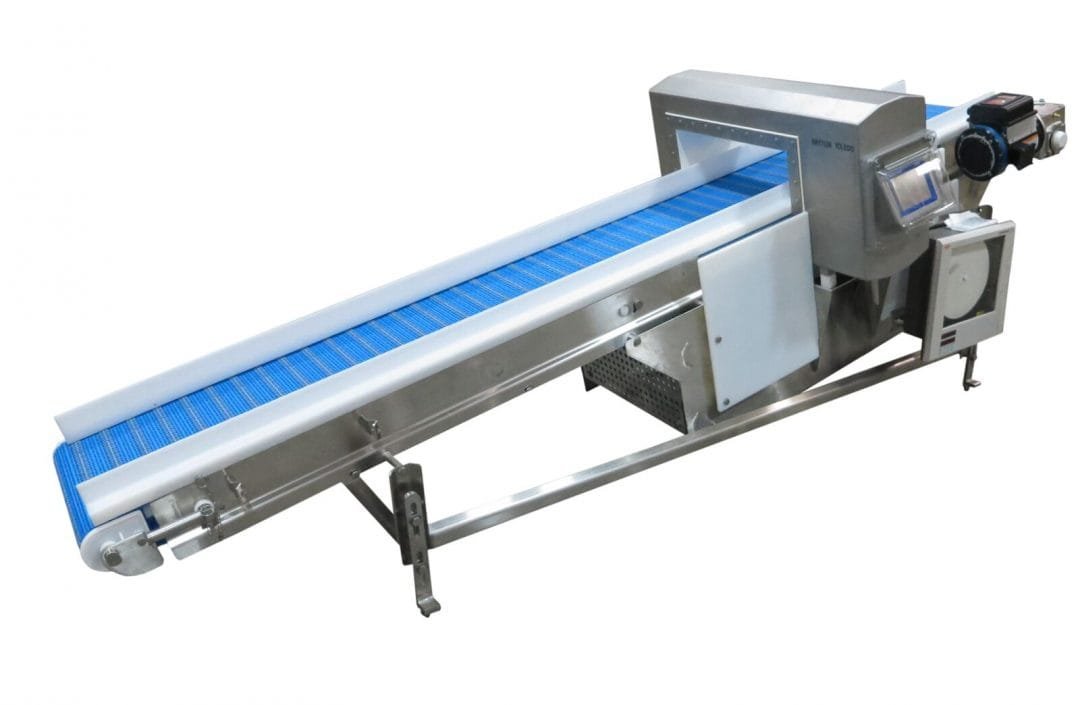
Food-production lines must keep products free of metal and other contamination. A conveyor can feed an existing detector, align containers into one line and trigger an appropriate reject response.
The line stops and an alarm prompts an employee to remove the questionable item.
A retractable tail opens the path and drops the identified item into a reject bin.
A source case describes a sanitary plastic-chain line carrying product from mixers into adjacent 1-, 3- or 5-pound containers. After filling and capping, containers were diverted into one staggered line for metal detection. The selected conveyor fitted the customer's existing detector, avoiding a wait for a replacement detection system.
24Precision movement
Pinpoint positioning and controlled routing support robotic, assembly and inspection operations.
The archived application used electrostatic-dissipative timing belts because conductive batteries travelled without pallets.
The source case reports this output while improving operator safety with protective belting for conductive material capable of producing electrostatic charge.
25Backlit vision inspection
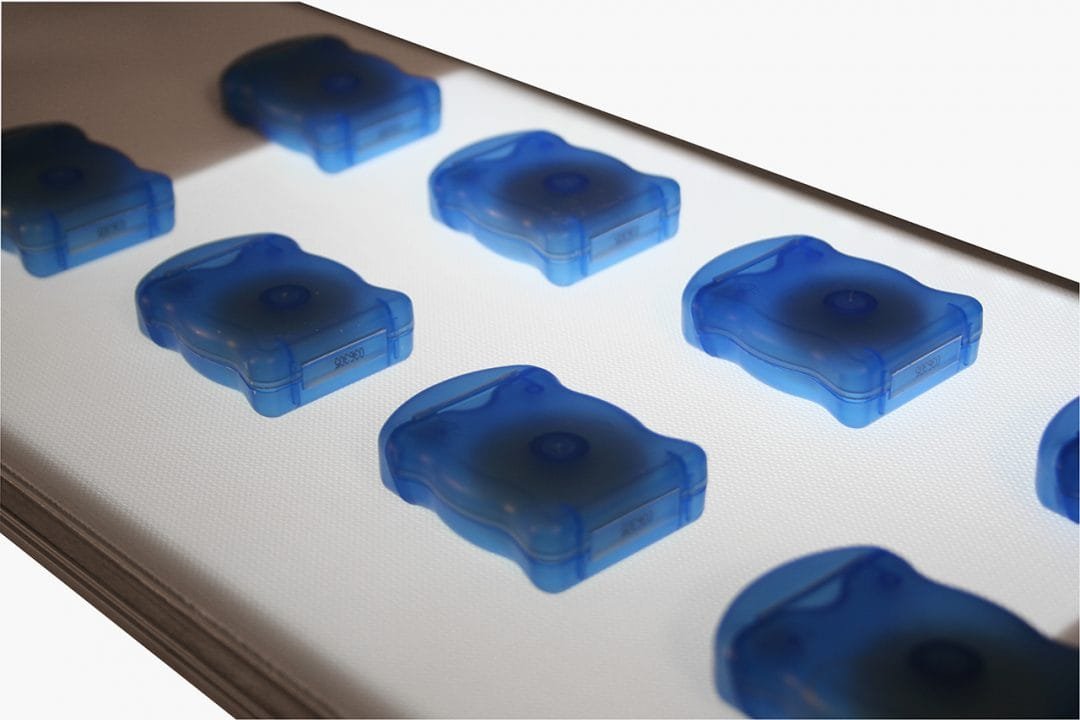
A compact backlit conveyor uses an LED panel beneath the belt to create contrast for visual inspection and a vision-system interface. Parts may stop directly over a lighted section or move continuously.

26Low-profile integration
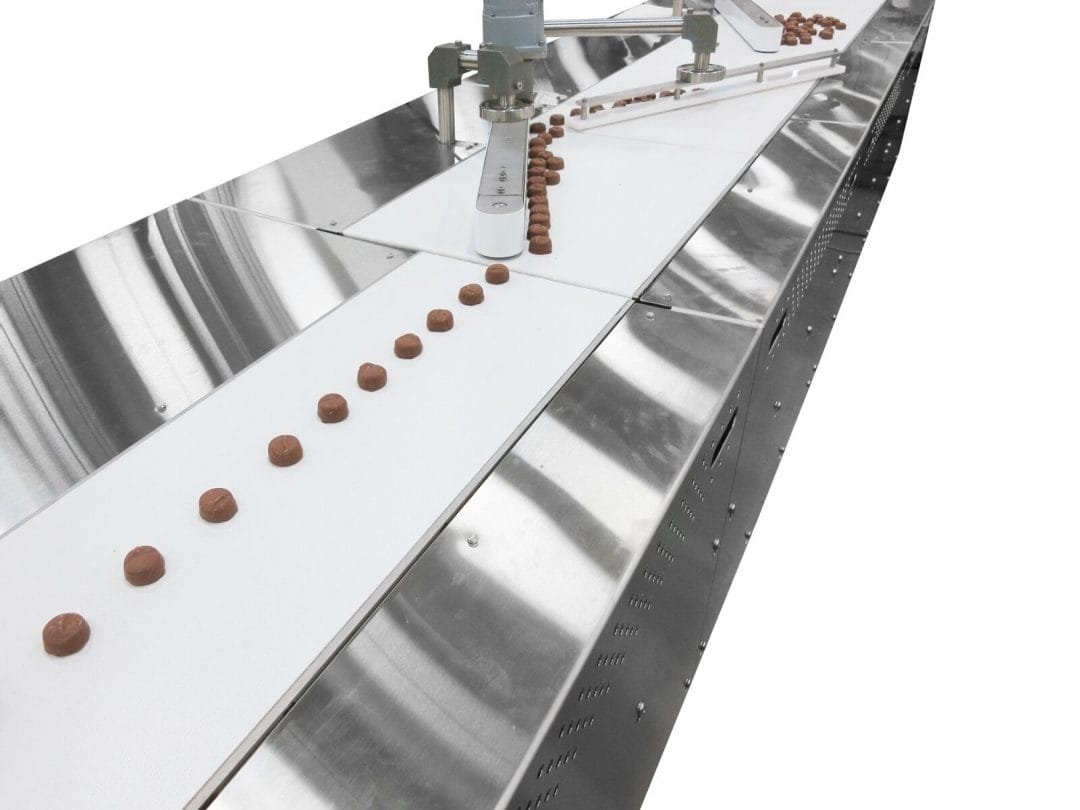
Low-profile conveyors can tuck under or inside machinery for product handling, visual inspection and removal. Precision movement improves product control and positional accuracy.
For miniature conveyors, a pinch-drive design and low belt tension reduce belt stretching. A T-slot and T-bar provide flexible mounting for automation components and accessories.
View the Roarer product range27Applications
Connect inspection and testing with the flow-control functions around it.
28Application gallery
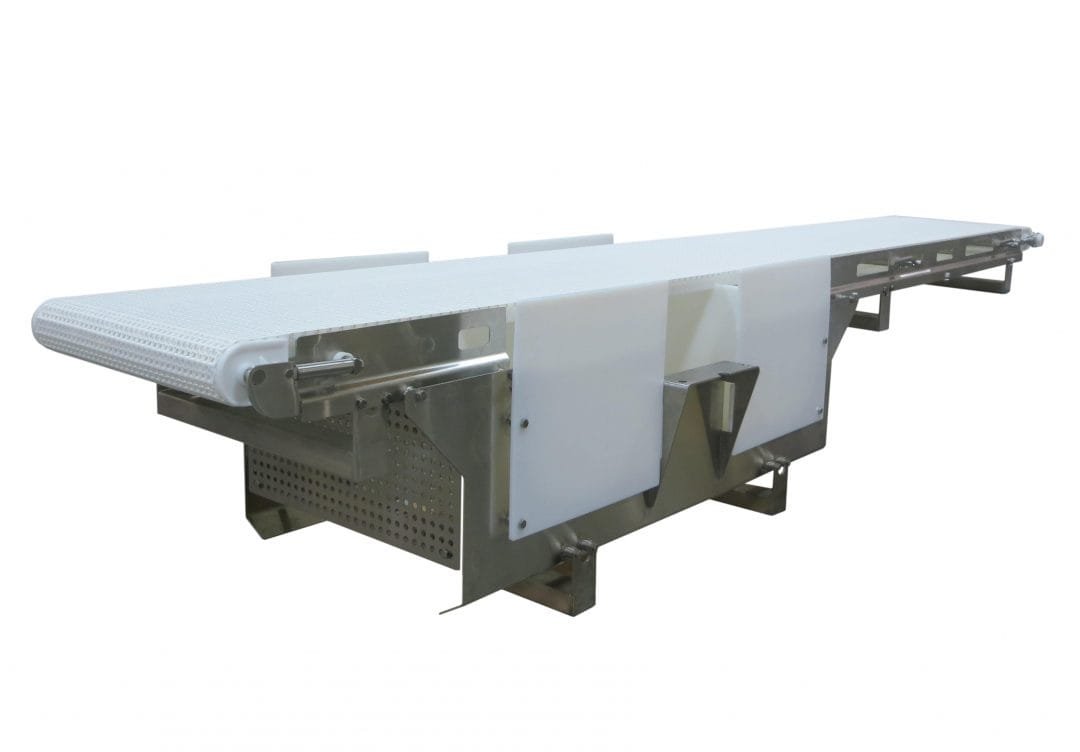
All five photographs from the archived page gallery are retained locally.
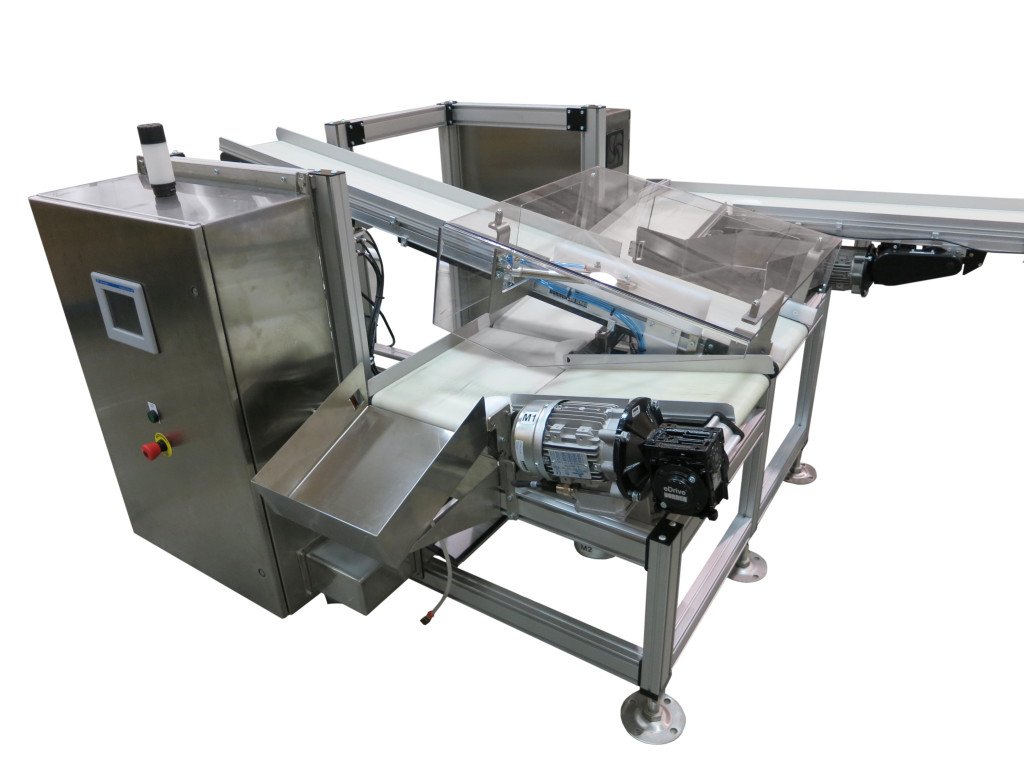
Share the product, inspection method, tolerances, line rate and reject response. Roarer can help define the conveyor interface.
Discuss your application


