16Application solution
Warehouse automation
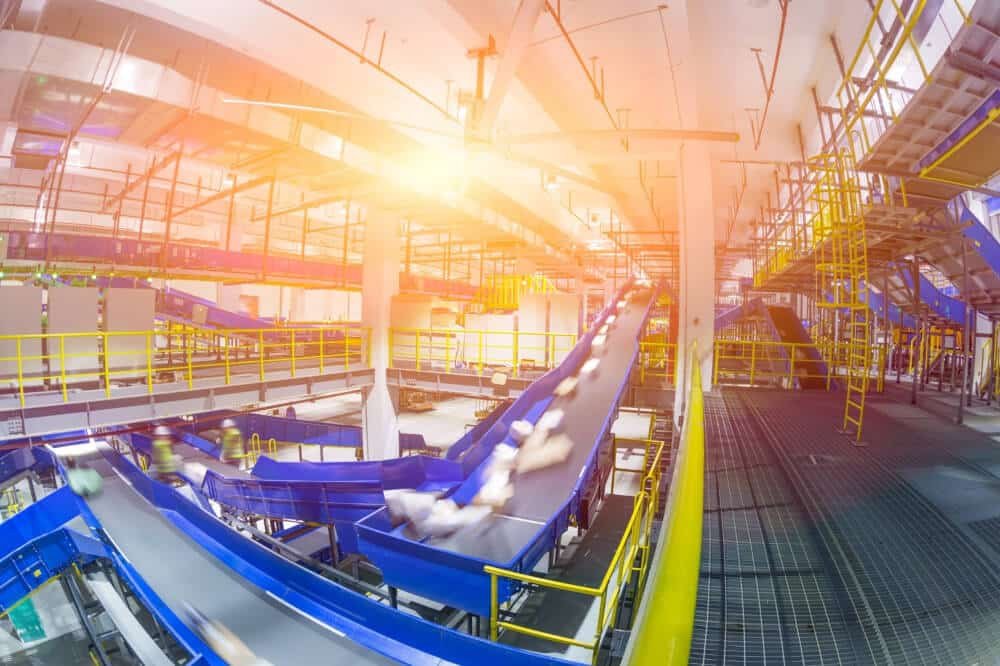
Modern warehouse automation began with the integration of conveyor belt systems. Since then, conveyors have played a major role in the efficient, accurate automation of warehouse operations across applications and industries.
17What is warehouse automation?
Two kinds of automation, working together.
Warehouse automation broadly refers to using robots and other technologies to enhance production, improve efficiency, streamline operations and cut costs — focused on increasing productivity in the most cost-effective way possible. It generally falls into two categories.
Process automation
Data, organized and tracked
Automating operations involving data — collecting, organizing, analyzing and tracking. Programmable technologies such as conveyors benefit from improved efficiency and accuracy of the data communication that informs other essential processes.
Physical automation
Robots on the floor
The integration of robots and robotics into warehousing operations, improving efficiency, worker safety and overall productivity.
18Warehouse of the future
Three forces driving automation.
Investing in automation helps warehouses address these challenges in a scalable way.
Ongoing labor shortages
Growth-limiting supply chain issues
19Automated conveyor systems
The backbone of the automated line.
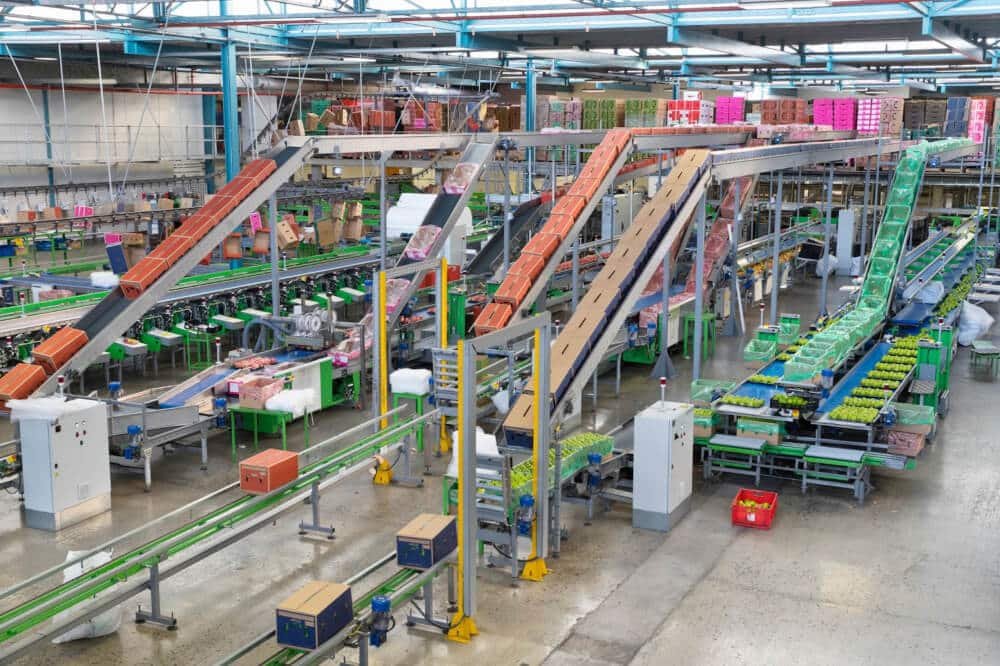
Conveyors can be integrated with robots, sensors and other automation accessories for optimal performance in a warehouse. Automated conveyor systems let a facility perform more efficiently, accurately and consistently without increasing labor or maintenance costs — and can be programmed to match specific needs, so functionality is right from installation.
20Warehouse automation benefits
Advantages regardless of size or industry.
Beyond addressing labor shortages, demand and supply chain issues, automation offers benefits that compound.
Enhanced productivity & efficiency
Programmable repeatability and standardization improve productivity, minimizing the opportunity for delays or bottlenecks without increasing labor needs.
Improved worker safety & satisfaction
Automating menial tasks lets the workforce focus on more important, less physically demanding work, helping prevent exhaustion, burnout and injuries.
Reduced error & inaccuracy
Standardizing operations reduces the risk of costly human error, fulfilling orders more efficiently and consistently.
Better customer relations
Higher standards of repeatable, error-free, faster fulfillment improve customer perception, encouraging repeat business and referrals.
Optimized use of space
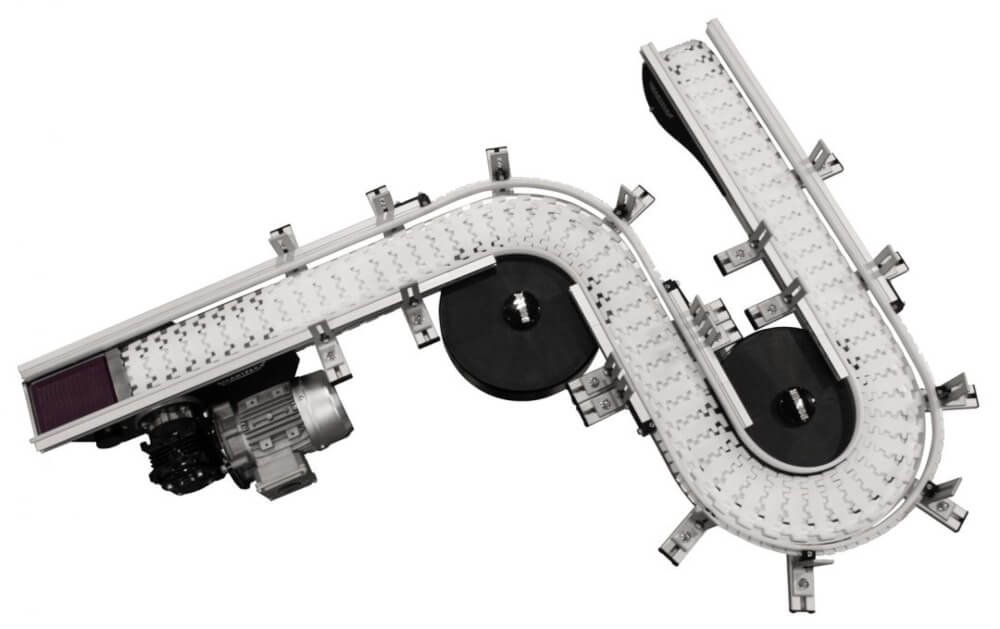
Flexible conveying — such as FlexMove's chain, which allows curves and elevation changes — helps maneuver product efficiently around available space.
21Conveyor belt automation applications
Where automated conveyors do the work.
Integrating conveyor systems is critical to automating most warehouse processes.
Warehouse management systems
A main-line conveyor like the 3200 Series or DCMove pairs with a WMS to automate accumulation, parts handling, positioning, packaging and more.
Inventory management
A compact, flexible conveyor like FlexMove, with diverting arms and lift sorting, makes it easy to effectively manage inventory while reducing labor costs.
Logistics automation
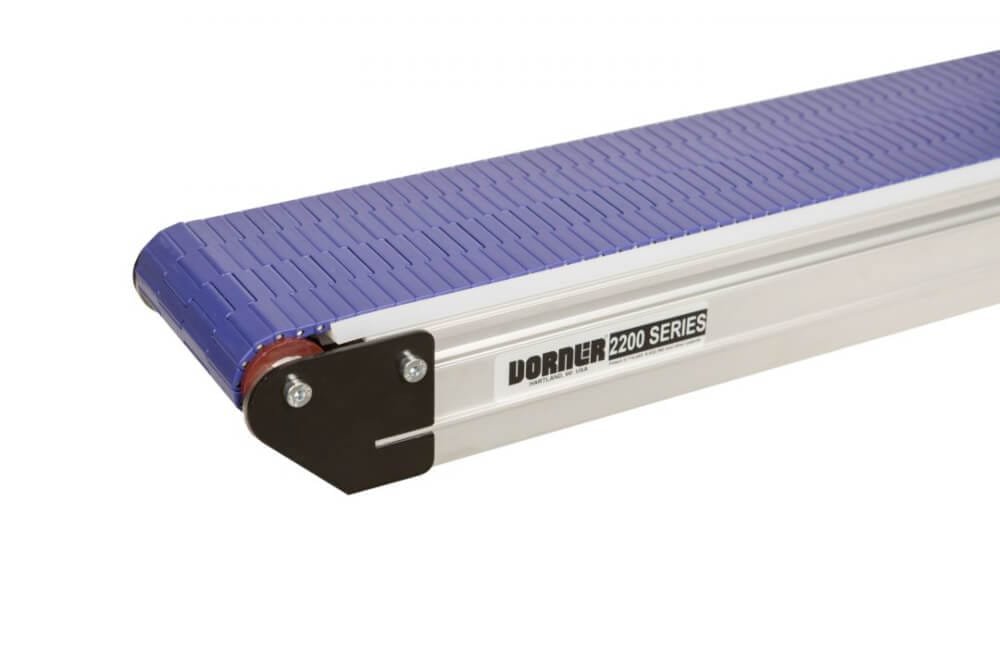
The 2200 Series gravity roller conveyor is a strong fit for accumulation, sorting and similar logistics processes.
Warehouse sorting systems
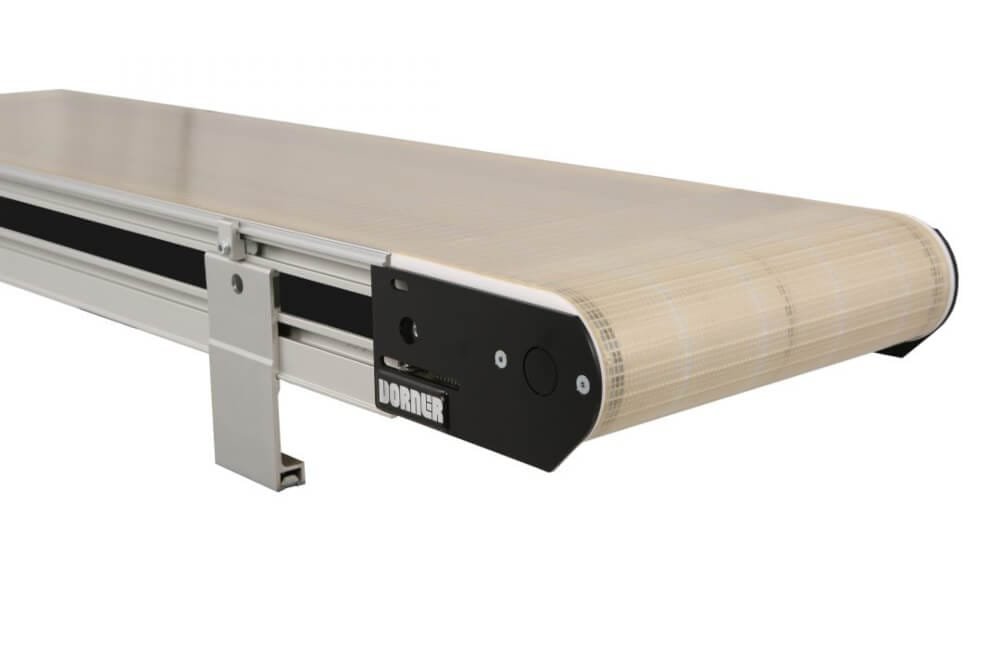
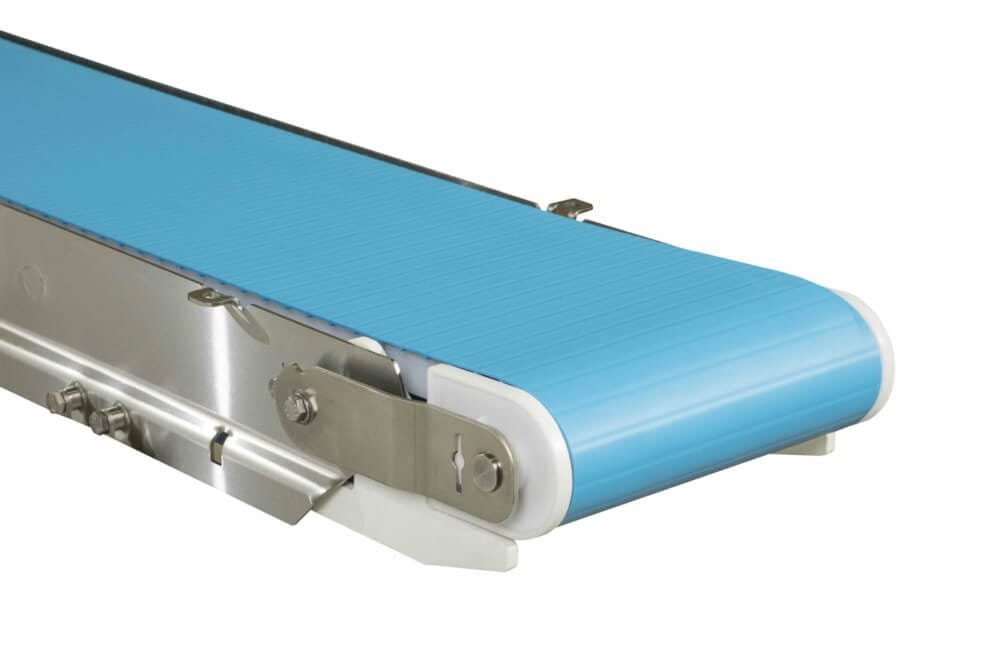
In a sanitary environment, the AquaPruf Modular supports automated inspection and sorting, with flexible belting that curves to save space.
Automated picking
Low-profile 2200 Series conveyors are ideal for precise product movement and positioning for efficient picking and accurate placement.
Automated packaging
Coupled with sensors and robot integration, the 3200 Series Precision Move conveyor helps optimize packaging for faster, more accurate fulfillment.
22Distribution & fulfillment
Where automation pays off fastest.
Distribution and fulfillment centers face unique pressure — and unique opportunity — for automation.
Automated distribution centers
Moving products in and out of a distribution center through integrated technologies with minimal human effort — robotics, data management systems, automated conveyors and more, scoped to the facility's inventory, resources and constraints.
Automated fulfillment systems
Fulfillment demand has grown sharply with e-commerce. Automating picking, sorting and packaging supports faster, more accurate fulfillment, helping meet demand while addressing labor shortages and supply chain delays.
23Frequently asked questions
Warehouse automation.
What counts as high-tech, what it costs, and how flexible automation works.
What qualifies as a high-tech warehouse?
Any warehouse using advanced technology and automation solutions can be considered high-tech — from integrated conveyor systems alongside automated inventory management, to a fully automated facility with robots. High-tech warehouses come in a wide variety of forms.
How much does it cost to automate a warehouse?
Automating a warehouse typically requires an upfront investment that may exceed average manual labor costs, but the payoff and scalable benefits are worth it. Cost varies depending on the scale of the automation initiative — talk to Roarer for a project-specific estimate.
What are some examples of flexible automation?
Integrated technologies programmed to perform multiple functions — a robot arm that can insert screws, weld metal or relocate parts, or a conveyor paired with other automation technology used to accumulate products, support inspection, or sort pieces on the line.
How do you automate inventory management?
This can take many forms, from robot arms that pick products to conveyor belts that sort and organize stock. The right approach depends on available space, workforce size and the scale of operations.
25Application gallery
Warehouse automation in practice.
Six photographs from the archived source gallery are retained locally in the Roarer project.
Automate the warehouse floor.
Share the process, product and constraints. Roarer can help scope the right automated conveyor system.
Discuss your application