Wasted time
Time not used to create customer value — waiting for materials, changeover, searching for information, machine downtime.
15Application solution
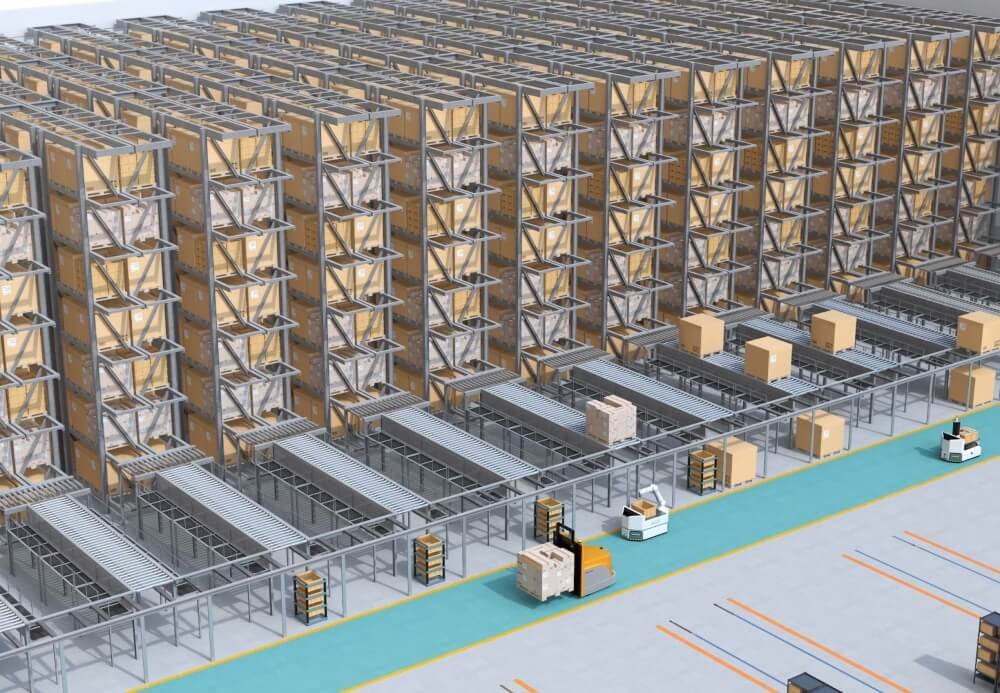
As manufacturing and warehousing face growing demand and rising costs, it matters more than ever to build efficient production and logistics environments. Lean manufacturing is about creating value for the customer while minimizing waste — a philosophy that applies equally to warehousing and distribution, helping companies raise productivity and efficiency while cutting overhead.
16What is lean manufacturing?
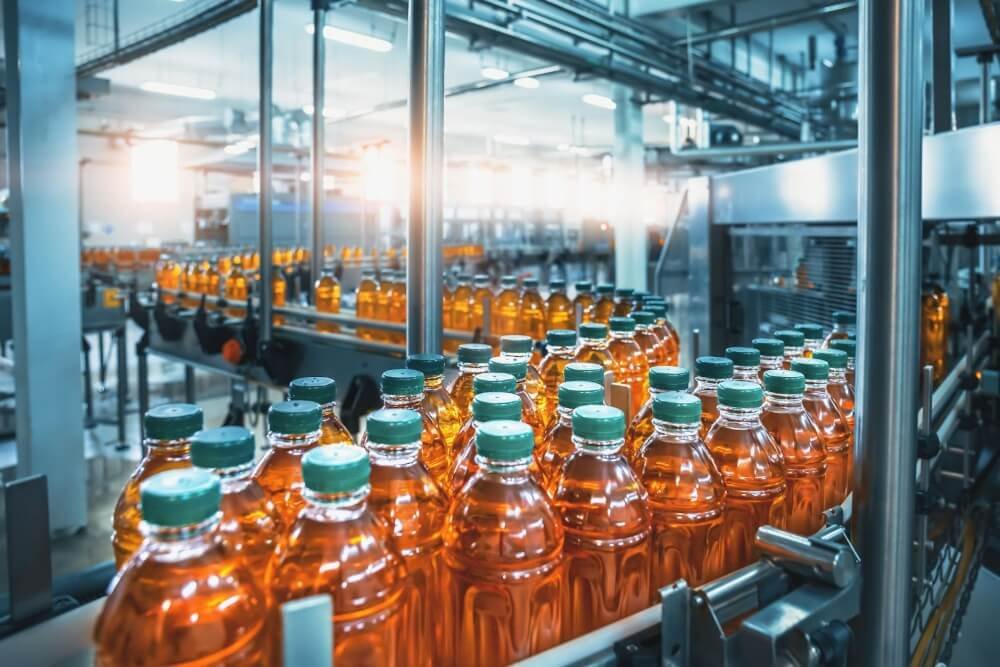
Lean manufacturing is a philosophy that emphasizes minimizing waste in all forms. The goal is to produce high-quality goods and services while maximizing efficiency, streamlining production and reducing costs. Every step in the process is carefully analyzed and optimized so there is minimal wasted time, motion and resources, achieved through close collaboration across the production team and the use of lean tools and principles.
Lean applies to any type of manufacturing — consumer goods, industrial equipment, medical devices — and extends to package fulfillment, logistics and office organization too.
17Key principles: minimize waste
The primary objectives of lean methodology are to eliminate waste, maintain productivity, and reduce overburden and inconsistency, so every step adds value for the customer.
Time not used to create customer value — waiting for materials, changeover, searching for information, machine downtime.
Unnecessary movement, such as manually transporting material between workstations, sorting unorganized parts, or locating tools.
Any resource not used effectively during production or warehousing, from excess material use to inefficient methods.
Effort that adds no immediate or future value — non-essential tasks, reworking defective items, unnecessary steps.
18Maintain productivity, reduce overburden
Productivity is maintained through just-in-time production and standardization; overburden and inconsistency are reduced through automation.
Parts are delivered just as they are needed, eliminating the need to store large inventories, which saves space and reduces the risk of defects.
Reducing setup time when changing over between products, by standardizing parts, tools and processes into a consistent way of doing things.
Activity that puts unreasonable strain on workers or equipment — unrealistic quotas, excessive overtime, unsafe conditions. Reducing overburden extends machinery life, lowers repair downtime, and improves morale.
Fluctuations that disrupt the process — fluctuating demand, batching orders, unexpected downtime, inconsistent quality. Automation and standardization reduce the waste this creates. Integrating automated conveyors can reduce manual labor, free employees for higher-value work, and improve safety.
19The 5S principles
5S is a system of organization and standardization rooted in lean principles, aimed at a safe, efficient and productive work environment.
20Benefits of lean manufacturing
Reduced costs, increased efficiency and improved quality are the headline benefits, but they compound further.
Cutting back on non-essential practices and resource consumption reduces overall operating costs.
Less time needed to produce a product translates directly into improved productivity.
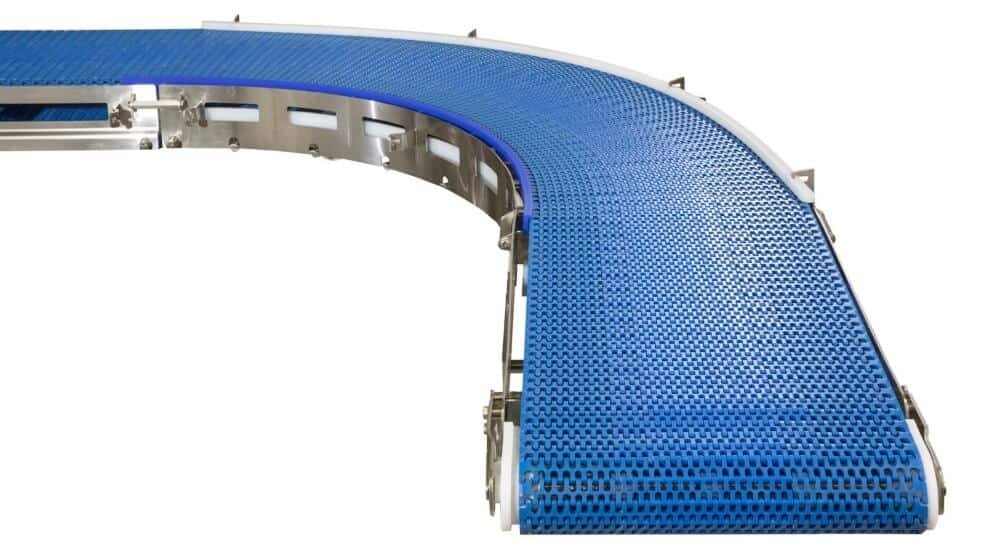
Eliminating waste and reducing time and materials frees up floor space, improving safety and ergonomics. Flexible conveying — inclines, curves, vertical conveyors — helps optimize the space available.
Automating tasks and standardizing processes helps a facility respond quickly to changes in demand, supporting increased sales and profits.
Reduced waste and improved quality benefit customers directly; increased efficiency and flexibility give employees a better, safer work environment.
21Building a lean line
Each platform below is available through the Roarer product range.
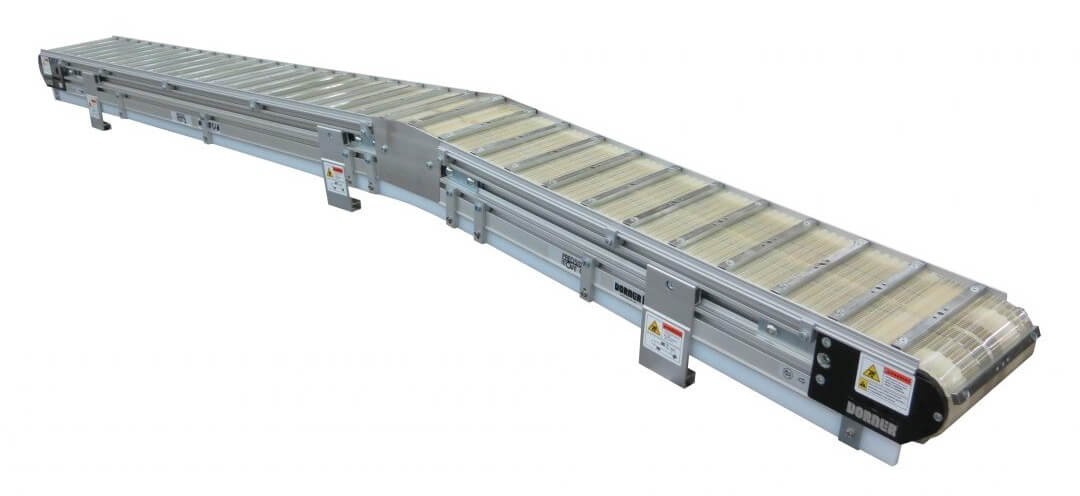
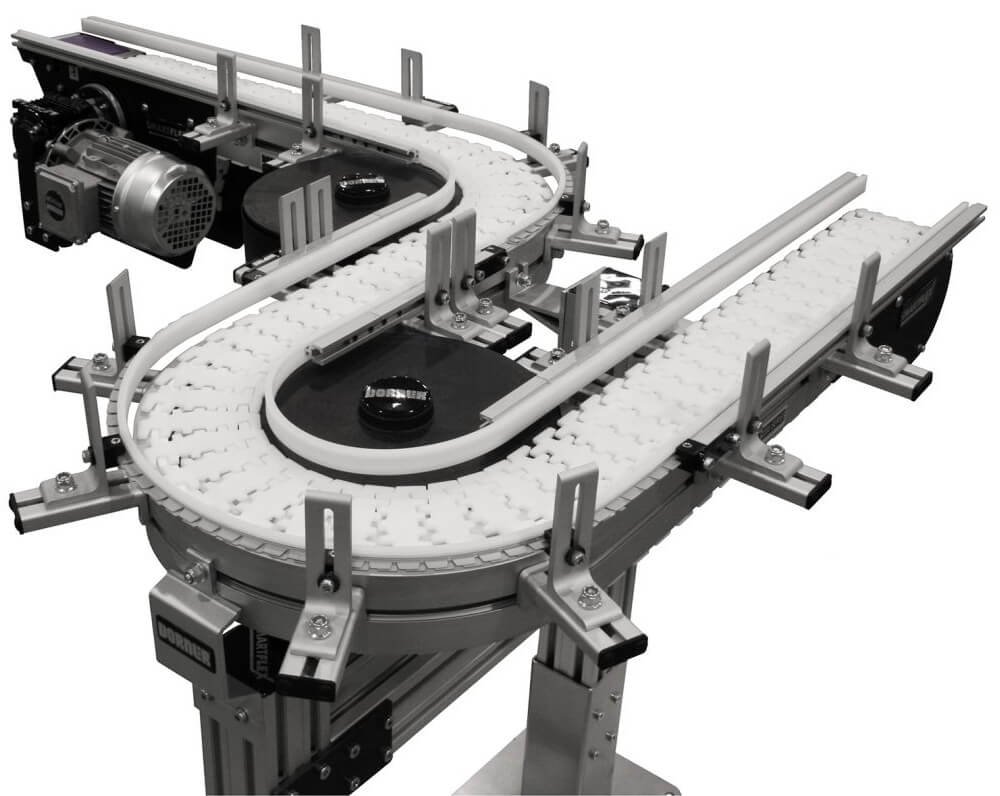
High-speed precision conveyors sort and move materials so product is in the right place when it's needed, with AMR and inventory-sorting integration options. FlexMove is suited to merging, sorting and buffering, with inclines, declines and multiple curves on a single conveyor.
Seamlessly transport product through every step of manufacturing and packaging, reducing wasted time and movement across the line.
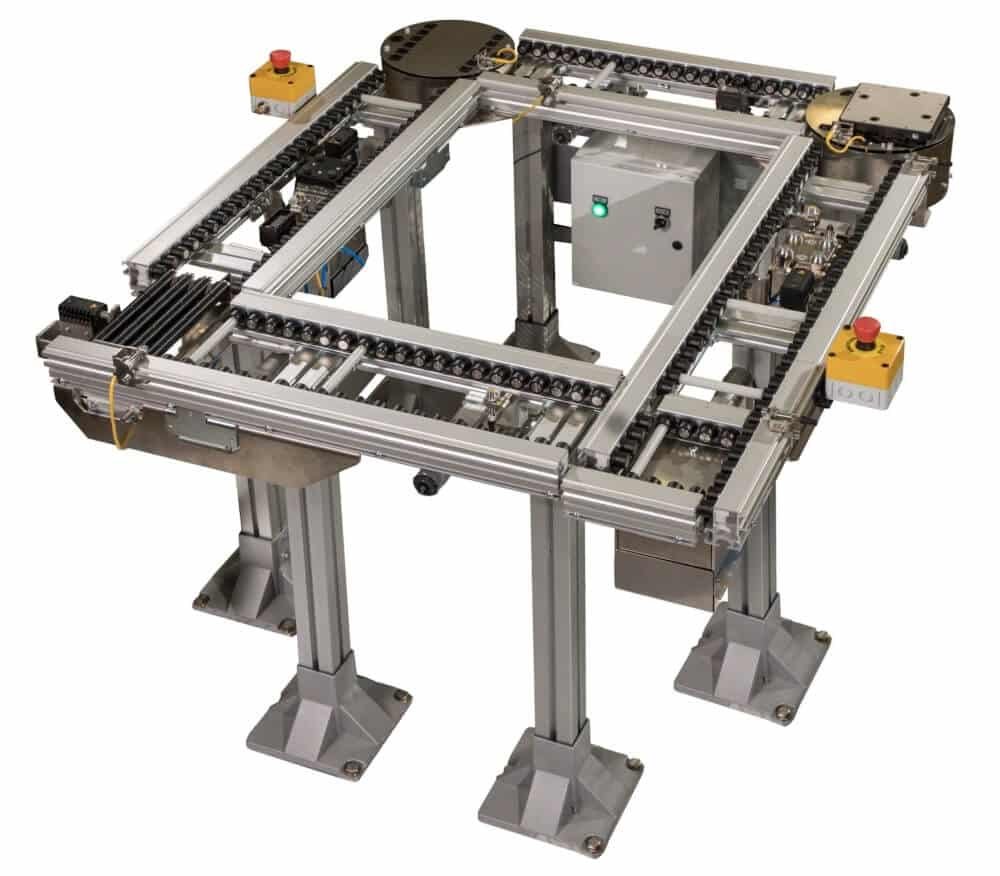
Precision conveyance systems designed for automated conveyance and integration into robotic-powered manufacturing applications, freeing staff from repetitive tasks.
Built with tool-less disassembly, frame cutouts, tip-up tails and belt lifters for fast cleaning, with stainless steel frames and FDA-approved materials built to withstand frequent washdown.
Accumulation tables, merges and diverts, and overflow conveyors keep production running when downstream equipment is unavailable, with adaptable systems for multiple product sizes and quick changeovers.
22Frequently asked questions
5S, lean-agile, waste types, and how lean applies to a warehouse.
A system of organization and standardization rooted in lean principles: Sort, Set in Order, Shine, Standardize, Sustain. Some variations add Safety and Savings as sixth and seventh principles. The goal is a safe, efficient and productive work environment.
Lean methodology focuses on eliminating unnecessary waste, while agile methodology prioritizes speed of fulfillment through sprints and small batches. Combining the two improves both efficiency and speed by reducing waste and optimizing workflow.
A system of production that aims to minimize waste and maximize efficiency, with the ultimate goal of creating value for the customer through the efficient use of resources.
Through tools and techniques including kanban, kaizen and 5S.
The application of lean manufacturing principles to the warehouse environment, minimizing waste and maximizing efficiency across picking, sortation, inventory management, fulfillment and shipping.
By reducing different types of waste and increasing efficiency, helping identify areas for improvement, boost productivity, and eliminate bottlenecks in the production process.
The seven types identified in lean methodology: overproduction, waiting, transportation, processing, inventory, motion and defects.
24Application gallery
Six photographs from the archived source gallery are retained locally in the Roarer project.
Share the process, waste points and goals. Roarer can help apply lean principles to your conveyor system.
Discuss your application