01
Practical overview
Supply chain integration is an ongoing process of connecting suppliers, manufacturers, and distributors into the same system with unified goals. This can be made particularly difficult when each section of the supply chain operates differently and utilizes different methods to track product.
By streamlining your processes with an integrated supply chain, you can minimize waste and optimize your operations.
An effective way to optimize your supply chain is by utilizing conveyors and automation technology to index, sort, and track product through every step of the production and distribution process.
Supply chain integration is the process of unifying different parts of the supply chain in order to optimize efficiency and productivity. In many cases, businesses operate with disconnected or isolated supply chains, which can lead to wasted time and resources.
- Improved coordination between suppliers, manufacturers, distributors, and retailers
- Reduced inventory management and logistics costs
- Minimizing the need for tedious manual labor where possible
- Cutting product transportation time between work stations
- Streamlining processes like inventory management
- Implementing flexible equipment that accommodates your available space
- Selecting conveying solutions that can handle more than one product or function
02
Key Business Elements Affected By Supply Chain Integration
There are a number of key business processes that are affected by integrated supply chain management, including:
One of the most important aspects of integrating supply chains is inventory management. In order to streamline the operation's inventory, you must have a clear understanding of what products or services you have in stock, where they are located, and how long it will take to restock them.
Through effective supply chain integration, businesses can achieve real-time visibility into their inventory, which can help them make better decisions about production, stocking, and shipping.
A centralized system gives businesses improved visibility into their operations and helps them make better decisions about their supply chain. It also makes it easier to coordinate the various elements of the supply chain, which can lead to increased efficiency.
03
How Conveyors Can Help With Supply Chain Integration
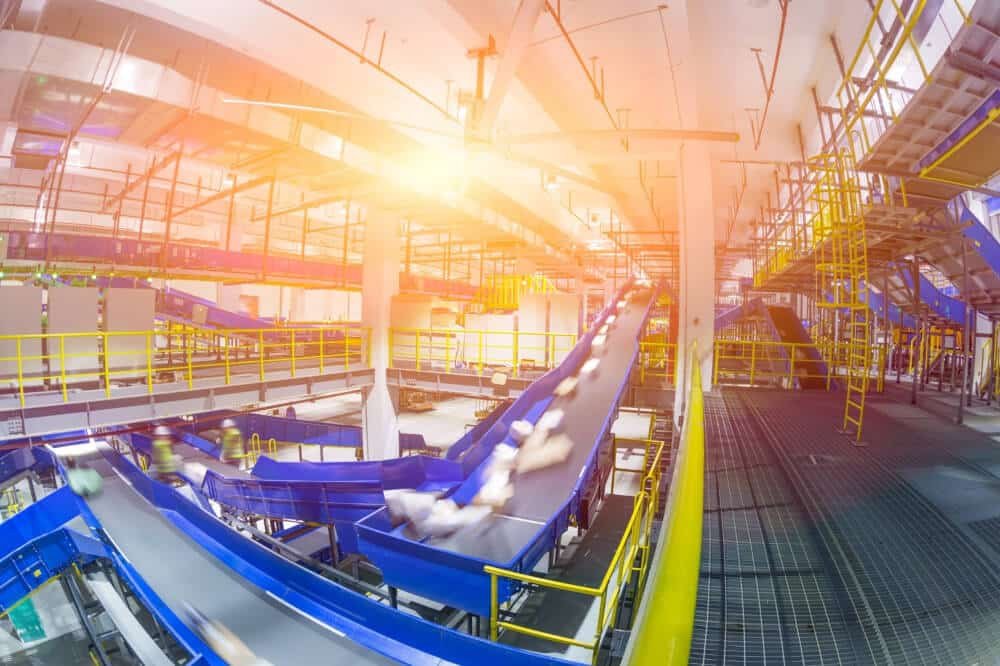
Conveyor systems are a critical component of many industrial and manufacturing operations. They can be used to move materials, products, and components from one area to another, and can be customized to meet the specific needs of your business.
Supply chain management and data collection can be streamlined and optimized through effective implementation and functional integration of conveyance automation.
- Reduced labor, material handling, and energy costs
- Increased flexibility and adaptability