01
Practical overview
As technology continues to progress towards new innovations in automation, it is no surprise that the robotics industry is booming. This is especially true for industrial robotics designed for the manufacturing industry, which is already surpassing the automotive industry as the largest user of industrial robots. Where tasks are repetitive or dangerous for human operators, robots are an ideal option.
There are a wide variety of applications for robot and automated integration, from food packaging and medical device production to consumer goods assembly and metal fabrication. However, as with any new technology, it’s important for businesses to evaluate their unique applications and the pros and cons of integrating robotics into that process.
02
Pro: Improved Productivity & Efficiency
A study conducted by Vanson Borne reports that 23% of unplanned downtime in the manufacturing industry comes down to human error. There are many factors that contribute to this staggering number, particularly the wide breadth of machinery operators need to be properly trained in. The programmability of industrial robotics means they can be installed to perform a huge range of tasks and can start on day one after installation, where an operator would need time to train.
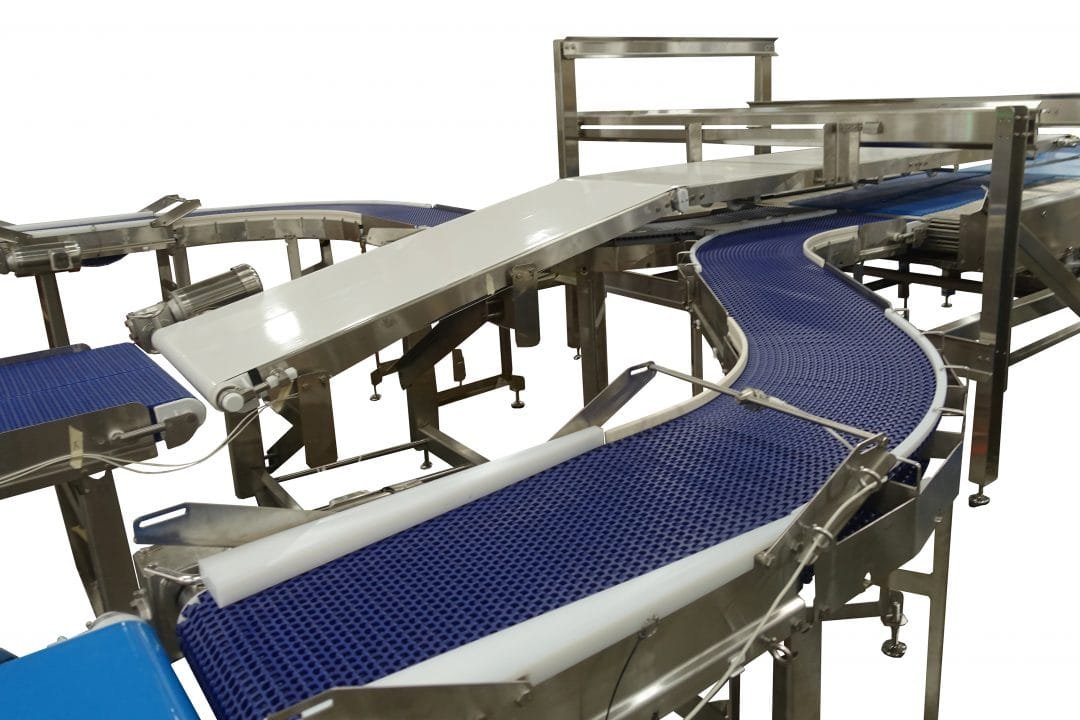
An automated production system with conveyors and robots can also move faster and with more consistency than human operators. They can typically run nonstop, as well, drastically improving production and throughput. Combined with the fact that automated systems can operate with a high degree of accuracy, they have been shown to improve efficiency and reduce waste in both materials and time.
Accuracy and repeatability are integral to quality, and industrial robots are designed to deliver both. With the high degree of accuracy that robots deliver in assembly and manufacturing, there are fewer mistakes and fewer wasted products.
Additionally, in sanitary and cleanroom environments, the use of specialized robotics and automation reduces or completely eliminates human operators’ interaction with product, which in turn significantly reduces the risk of contamination.