01
Application context
The pharmaceutical industry has endured systematic changes in the last ten years due to challenges such as regulatory changes, cost pressures, and accuracy.
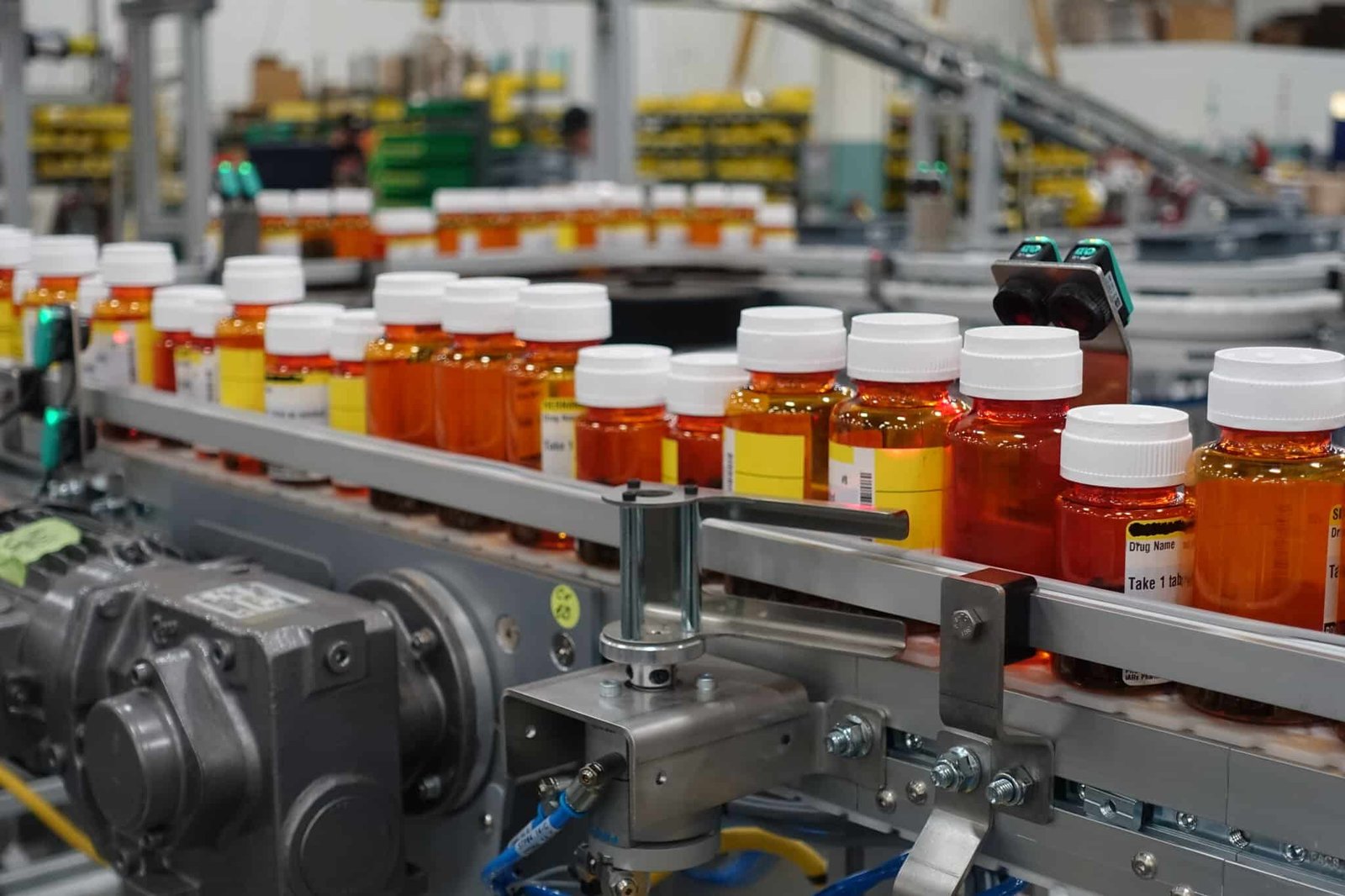
These changes have led pharmaceutical leaders towards investment in automated conveyor systems. These systems provide agility and adaptability to production, packaging, and fulfillment operations to improve traceability, quality control, contamination control, and cost & production efficiency. At the highest level, a conveyor is a tool to move product from point A to point B; however, the depth of detail required to transport pharmaceutical products from beginning to end requires a much more specific solution.
02
Design considerations
The specificity of a pharmaceutical conveyance solution starts with the regulations and standards that a manufacturing operation must follow. One of the critical regulatory standards that pharmaceutical manufacturers use is the Current Good Manufacturing Practices (cGMPs). cGMP regulations outline the minimum requirements for designing, monitoring, and controlling pharmaceutical manufacturing processes. These requirements cover facility design, equipment qualification, documentation, process validation, quality control testing, and record keeping.
By investing in conveyors that comply with government regulations, pharmaceutical manufacturers can ensure the integrity of their production processes, minimize the risk of regulatory penalties, and maintain a strong reputation for producing safe and effective pharmaceutical products. These compliance-driven conveyance solutions provide peace of mind and contribute to the overall success and profitability of the pharmaceutical plant.