Excessive downtime
Problem Production stoppages, staffing shortages and manual errors reduce throughput.
Response Repetitive handling is automated to maintain movement and reduce fatigue-related disruption.
01Application solution
Automated conveyor systems streamline product movement through manufacturing, assembly and distribution—reducing manual handling, limiting bottlenecks and maintaining controlled, consistent flow.
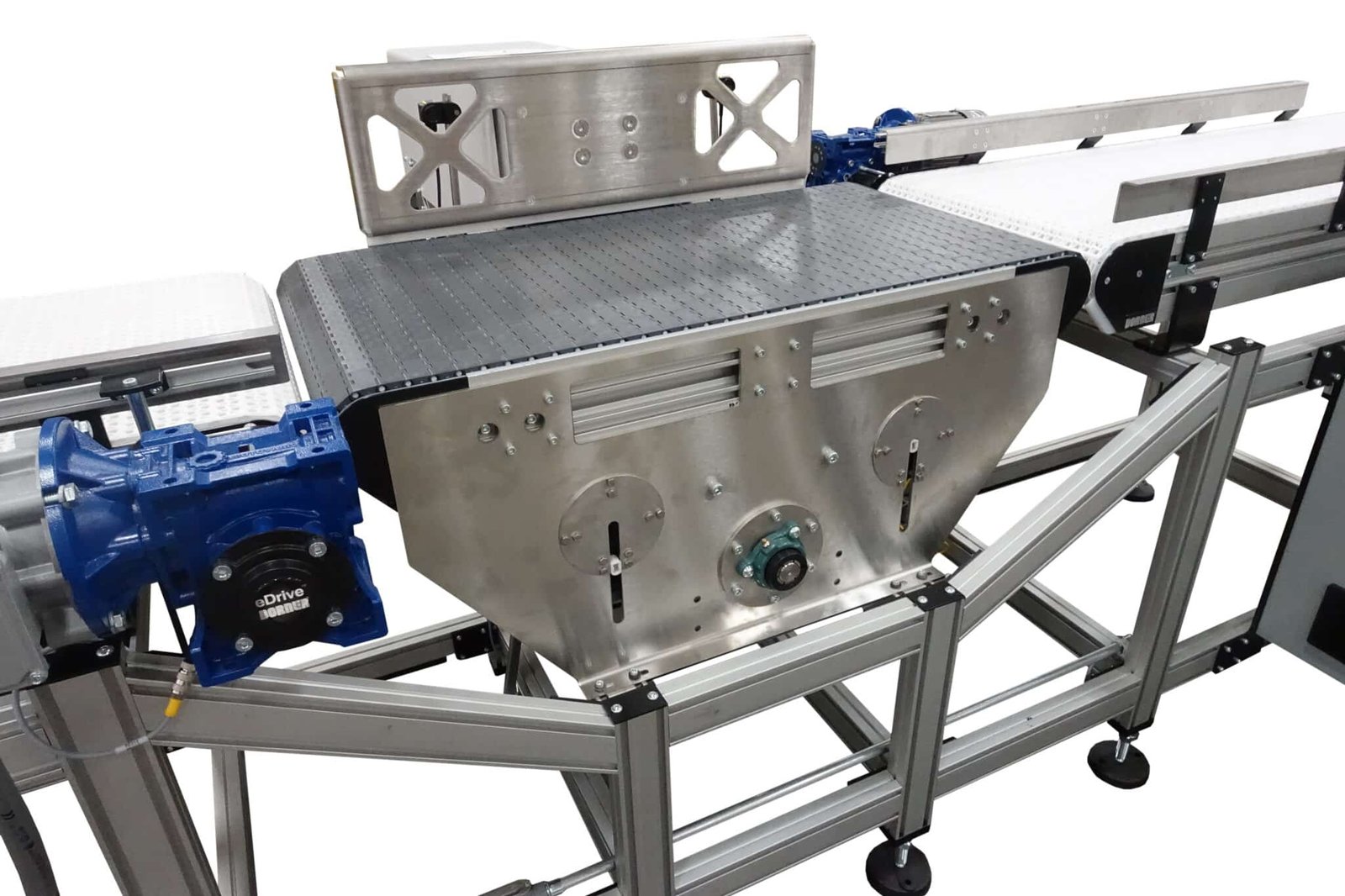
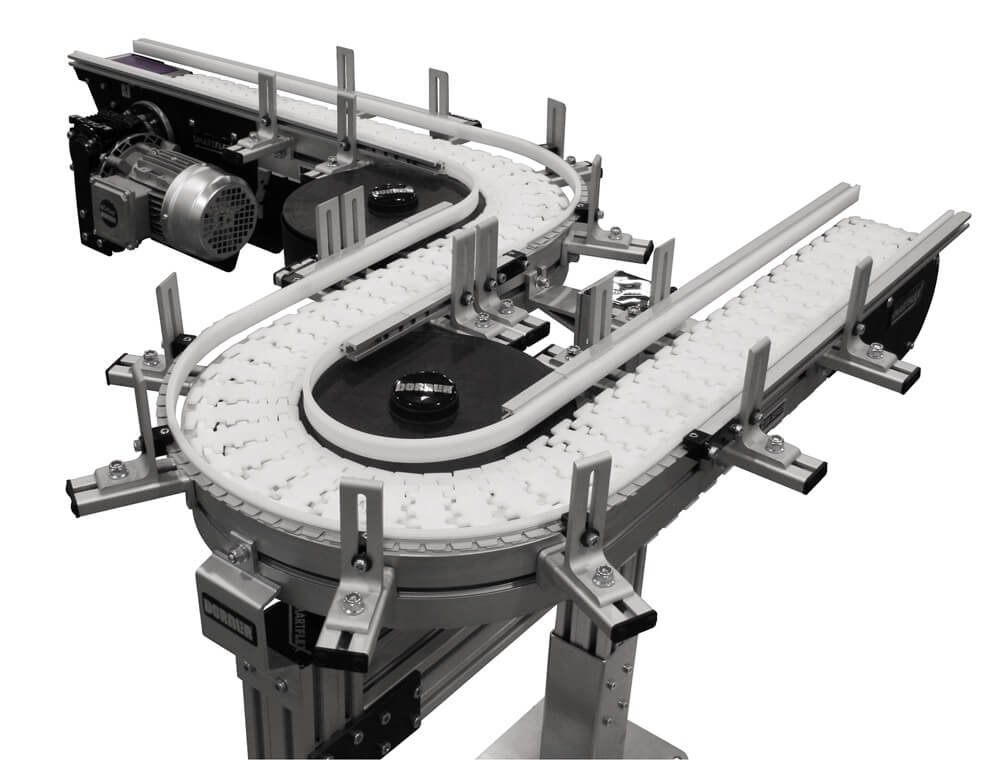 Flexible production routing
02Overview
High labor costs, production delays and quality-control problems often begin with inefficient manual handling. Every hour lost to slow transport, product damage or bottlenecks adds expense and puts delivery targets at risk.
Durable, high-performance conveyors automate repetitive movement, reduce manual labor and maintain consistent product flow. Platforms can be configured for applications ranging from heavy-duty loads to small or delicate products.
A material-handling solution engineered to move products across manufacturing, assembly or distribution processes at a controlled speed and position.
03Operational challenges
Industrial conveyors address recurring production constraints by replacing inconsistent movement with a repeatable, configurable process.
Problem Production stoppages, staffing shortages and manual errors reduce throughput.
Response Repetitive handling is automated to maintain movement and reduce fatigue-related disruption.
Problem Constant lifting and transport require staffing and introduce injury risk.
Response Automated transfer enables workers to focus on higher-value tasks.
Problem Handling errors can damage goods, create defects or require rework.
Response Controlled speeds and positions support repeatable product quality.
Problem Tight floors and inefficient layouts limit productive capacity.
Response Curves, inclines, declines and vertical routing use available space more effectively.
Problem Manual handling can expose workers and products to avoidable risks.
Response Ergonomic layouts, suitable materials and integrated safety features support safer work and regulated environments.
Faster delivery and higher throughput.
Less manual handling, loss and downtime.
Fewer strenuous, repetitive tasks.
Earlier detection with sensors and inspection.
Systems that expand with production.
04Applications
Automated transport improves safety, efficiency and productivity across manufacturing, material handling and distribution environments.
Move products through packaging, labeling, assembly, sorting and inspection while limiting lifting and production errors.
Transport raw materials and finished goods at a predictable pace while supporting lean manufacturing practices.
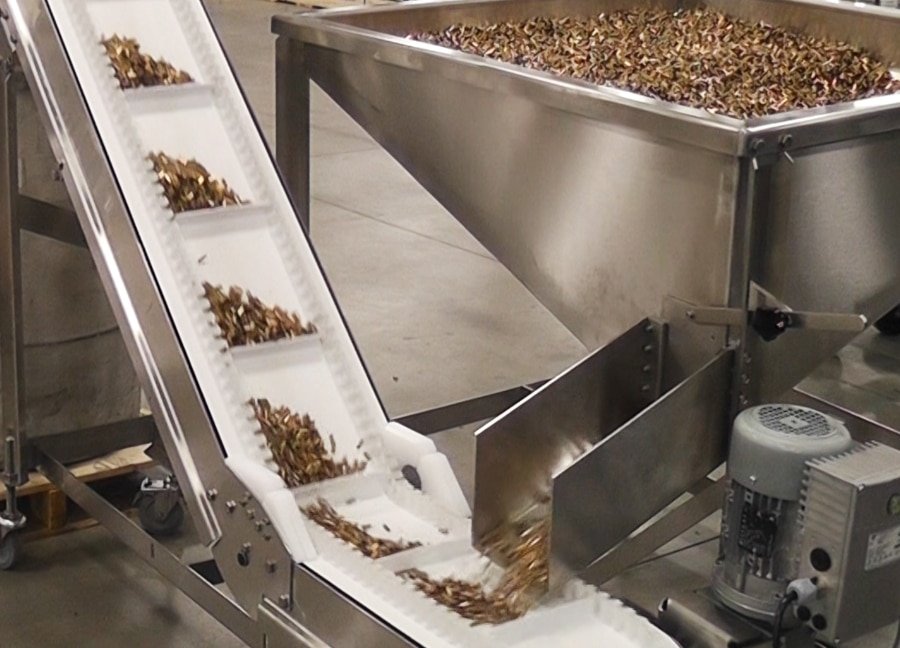
Remove machined parts and scrap from equipment using durable conveyors designed for controlled handling and demanding loads.
Transfer heavy components, accelerate assembly and integrate sensors or vision systems for in-line quality checks.
Connect picking, packing, sorting, shipping and receiving zones with predictable transport speeds and fewer handling errors.
05How systems work
Configuration varies by model and function, but drive, controls, mode of transfer and support form the foundation of most industrial conveyor systems.
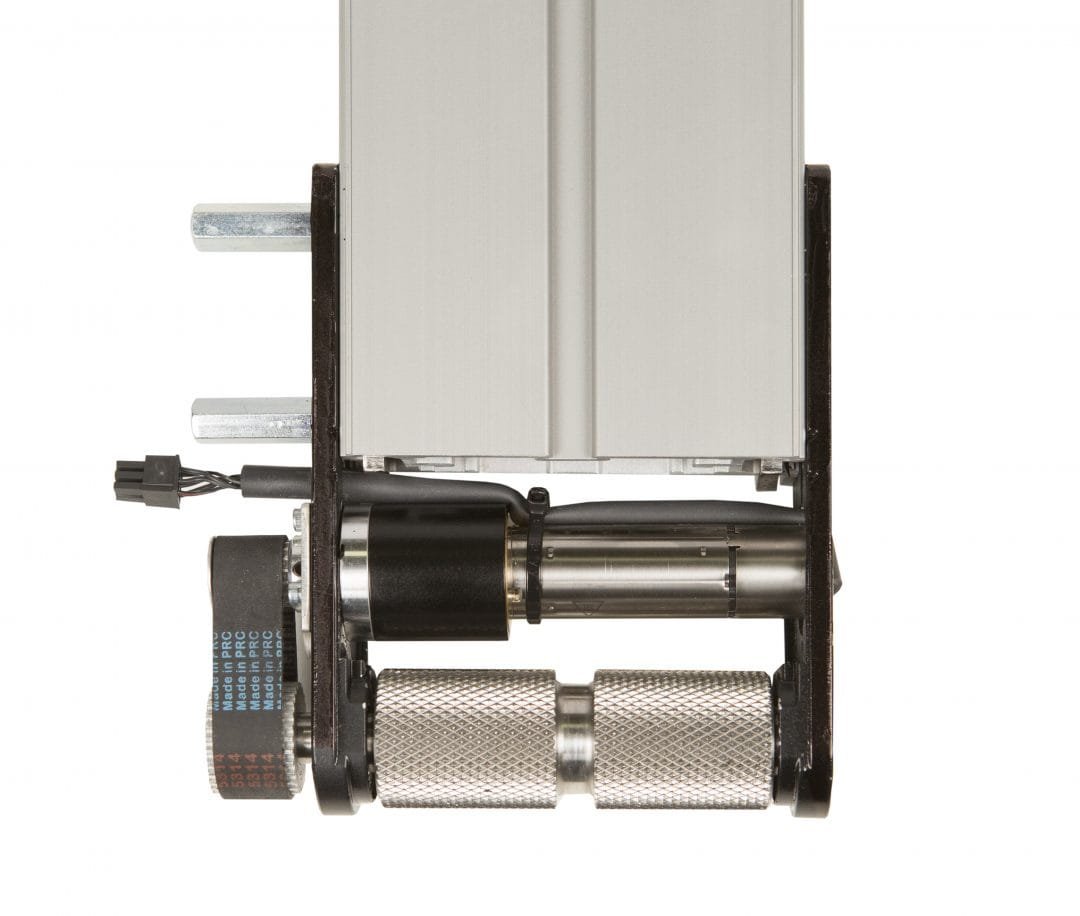
The power source that propels the conveyor. Electric motors support variable speeds, frequent starts and stops, and indexing; internally mounted drives can improve energy efficiency and reduce the system footprint. Gravity or manual rollers can serve simpler movement requirements.
Manual or automated controls start and stop the line, regulate speed and connect conveyors with other equipment, sensors and automation platforms.
Belts and modular chains are common, while pallets, rollers, buckets, cables, pneumatic systems, screws or aero-mechanical systems serve specialized tasks.
Frames and stands maintain structural integrity and alignment. Accessory mounting and service access simplify cleaning, inspection, maintenance and repair.
06Automation benefits
Coordinated movement improves throughput without compromising product handling, inspection or operator safety.
Maintain steady product flow and reduce the time required to load, unload or transfer materials.
Reduce manual transport, product damage and unnecessary wear caused by repeated movement or stacking.
Move employees from repetitive lifting toward technical, supervisory and problem-solving work.
Link conveyors with automated equipment to create a faster, coordinated production line.
Control product pace and position, then integrate sensors or vision systems to identify defects early.
Limit manual lifting and interaction with running machinery while incorporating stops, controls and guarding.
07Conveyor platforms
Each platform serves a distinct range of product sizes, load requirements, route complexity and automation needs.
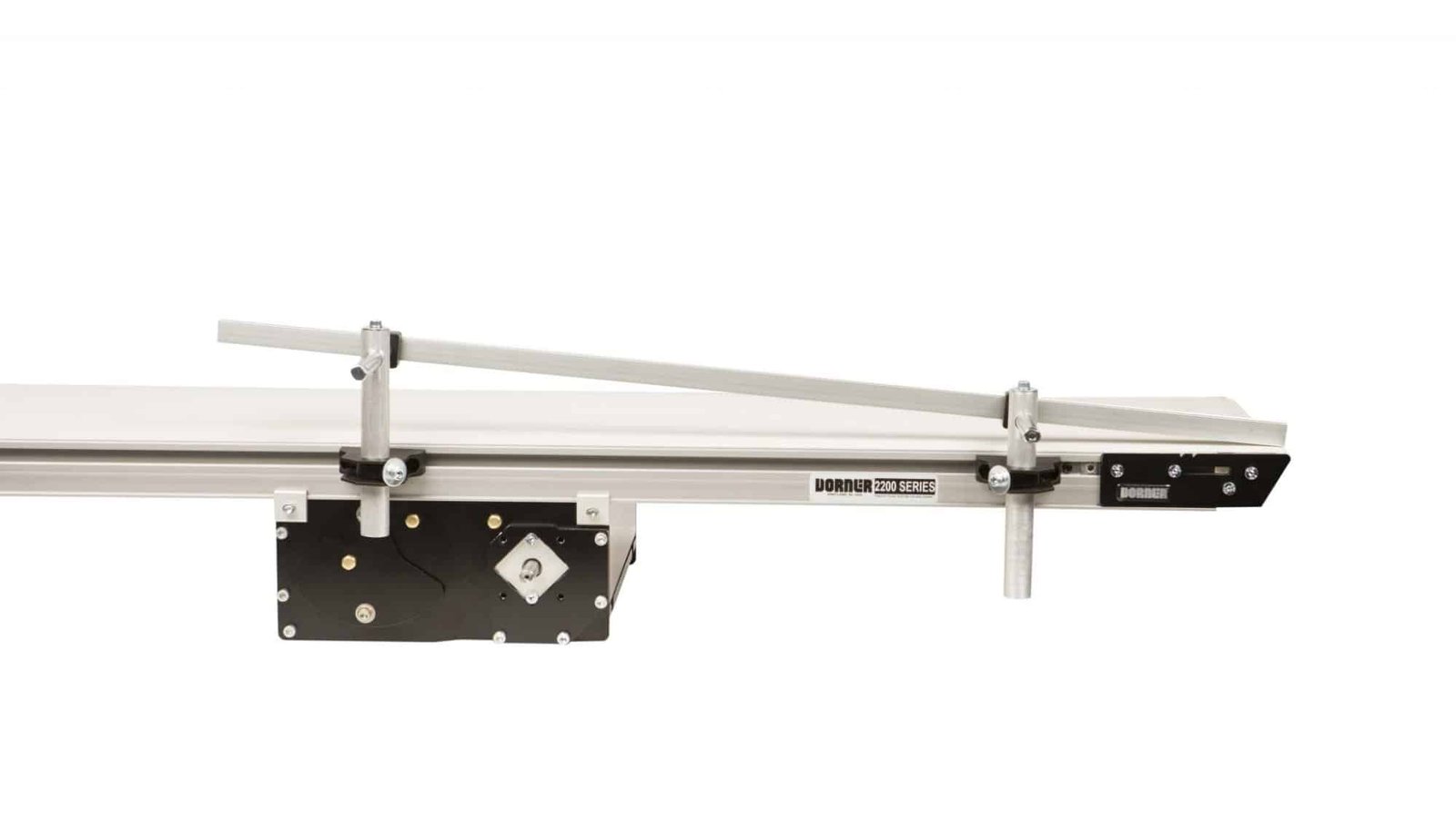
High-performance fabric and modular-belt conveyors for straight-path material handling and packaging applications.
View 2200 Series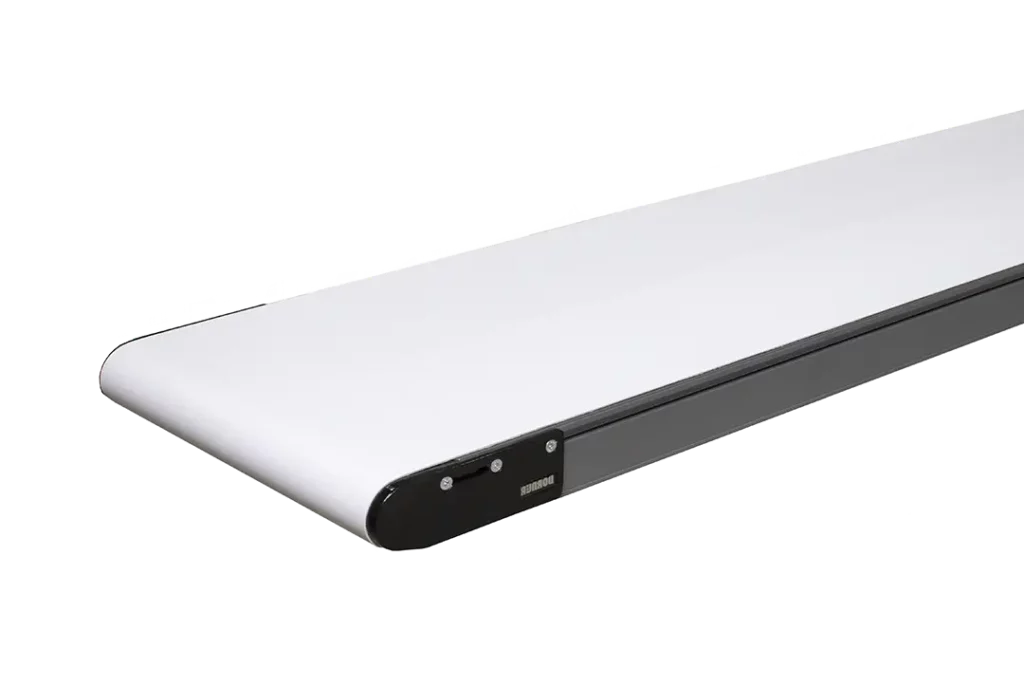
Extended widths, higher load capacity and a lightweight frame suited to material handling, warehousing and AGV mounting.
View product range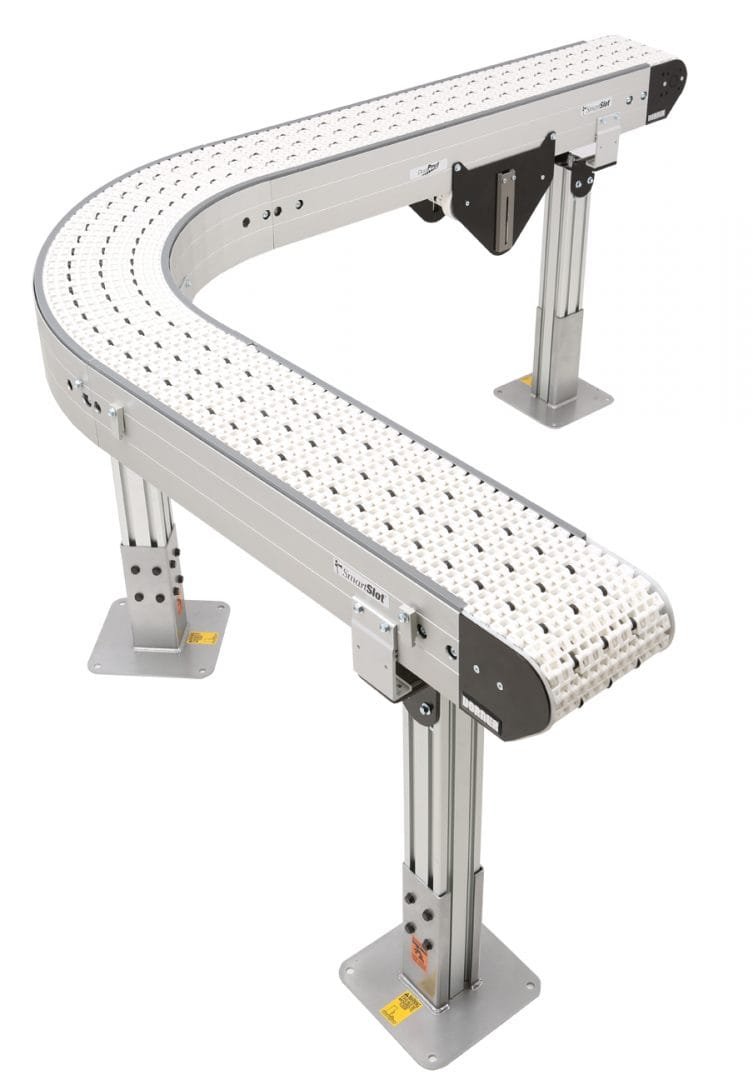
Longer-distance, higher-load conveyors for parts transfer, packaging, automotive and appliance manufacturing.
View product range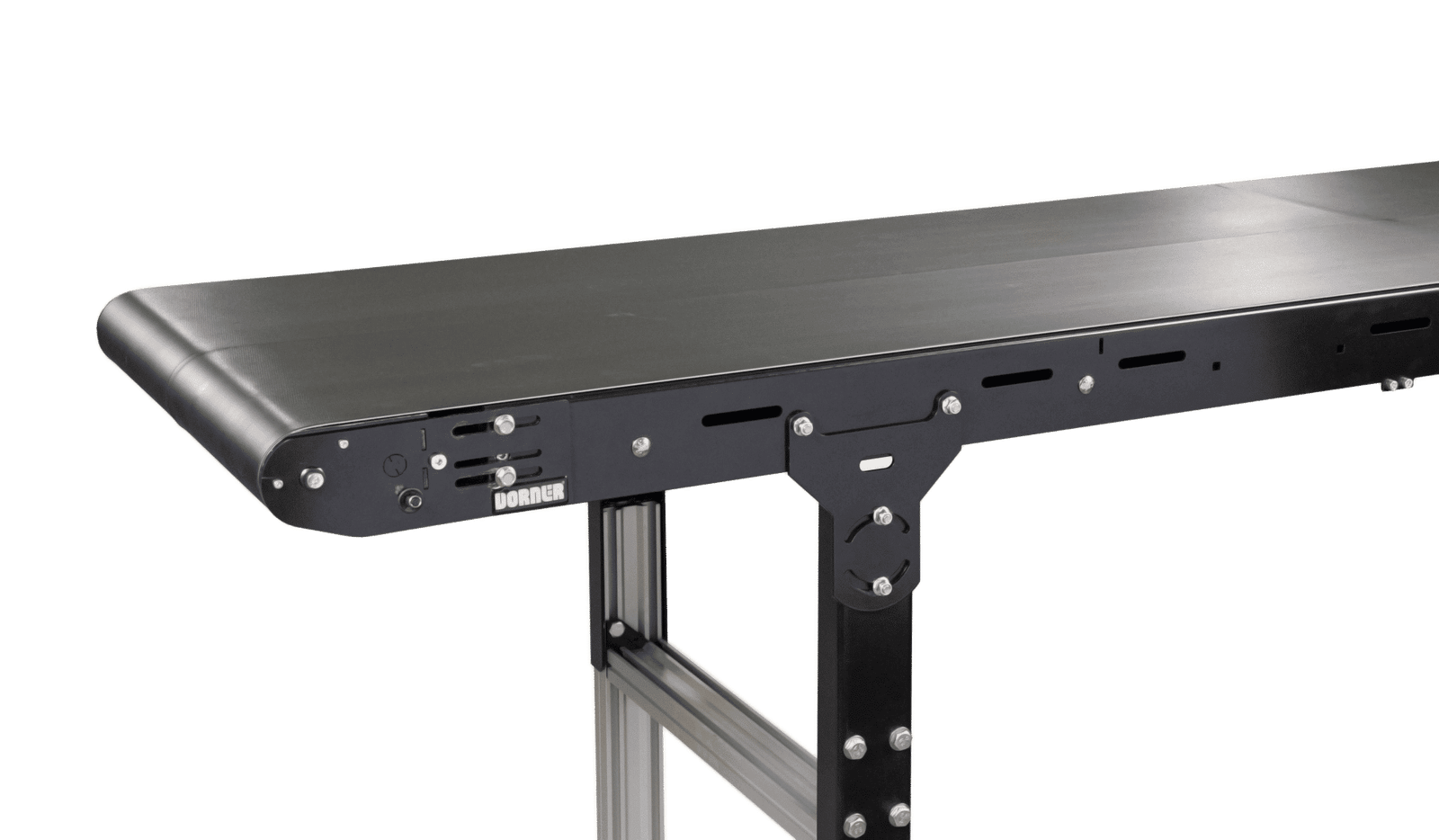
A heavy-duty, economical platform with precise tracking and placement for labeling, printing, packaging and general handling.
View product range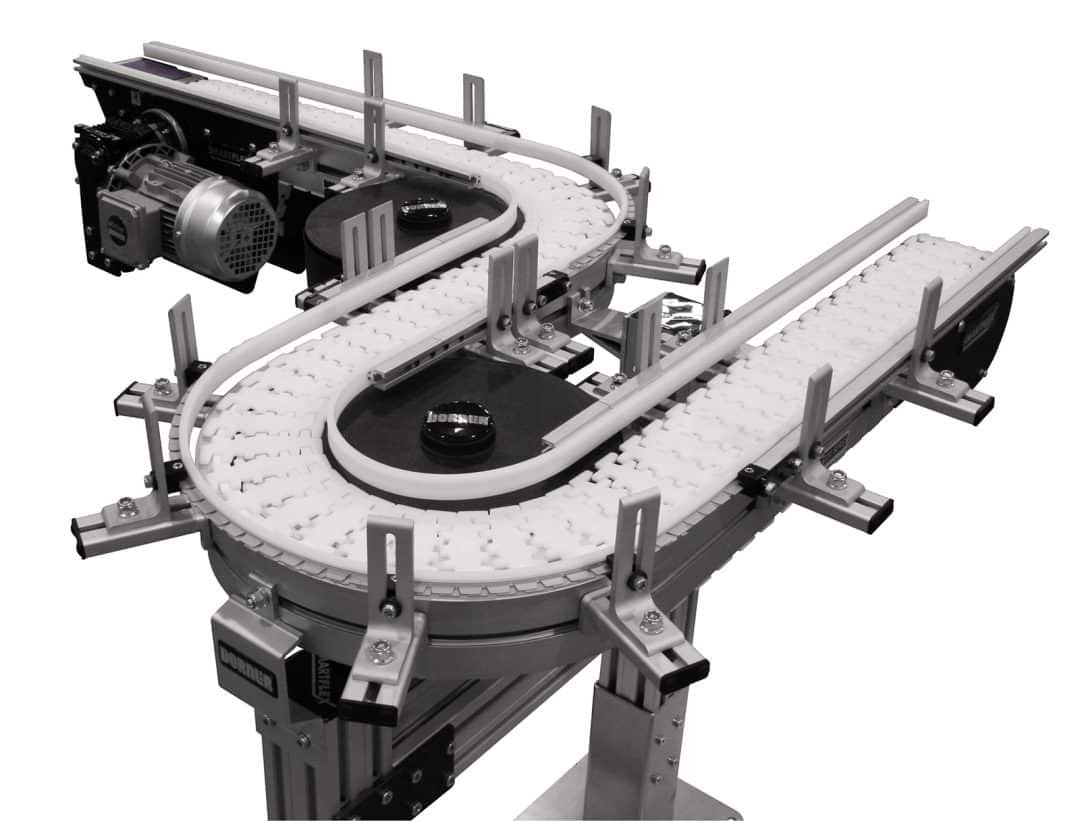
Compact, configurable routing for buffering, accumulation, sorting, indexing, packaging and inspection.
View product range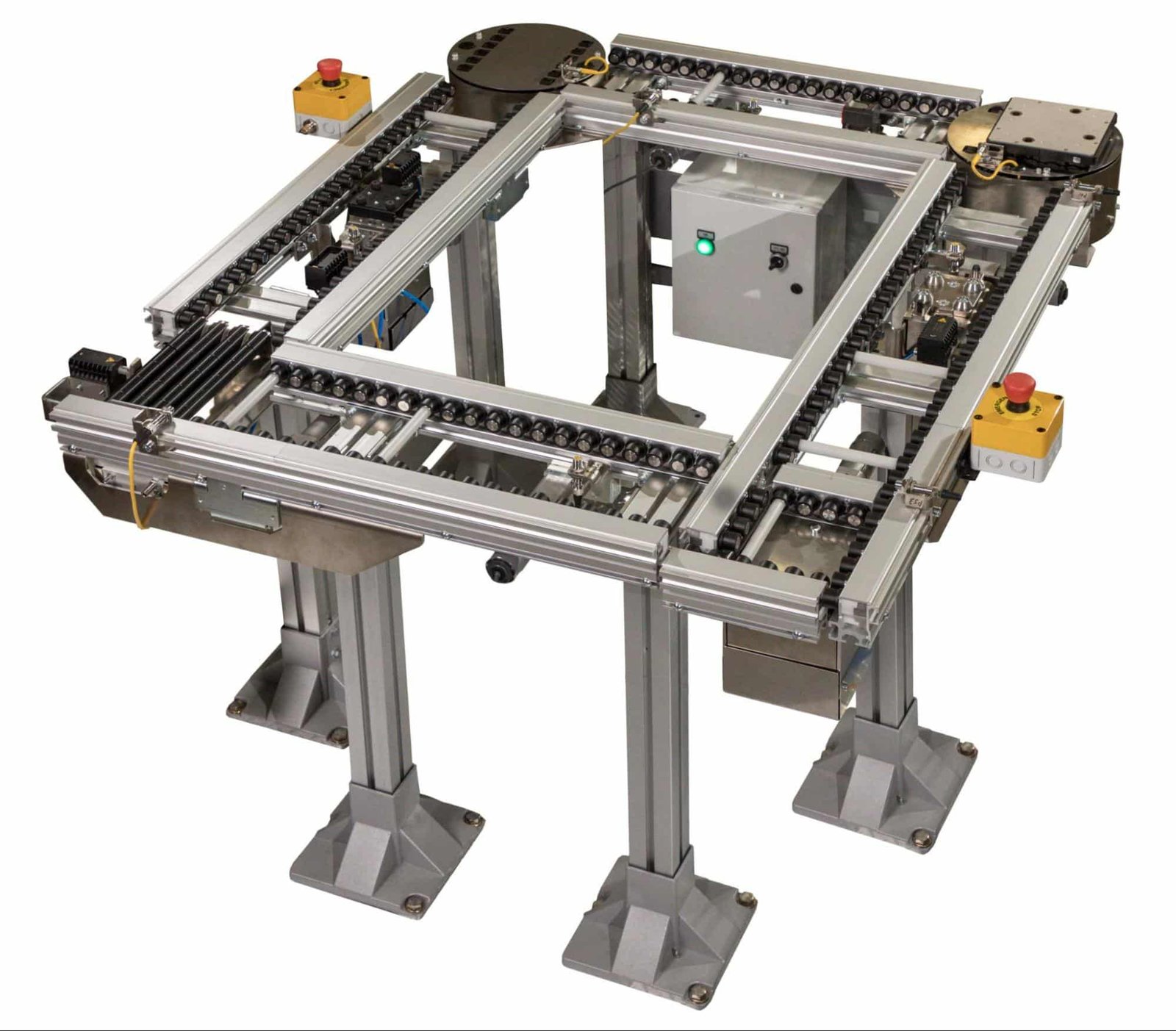
Open-roller, zero-contact-zone pallet handling for cleanrooms, inspection, automated assembly and packaging.
View product rangePrecise medium- to large-part movement for routing, inspection and assembly, with a quick-change belt system designed to reduce downtime.
Non-contact pallet and tray handling for medium- to heavy-load assembly automation, using a patent-pending linear gearbox with minimal particle production.
*Cleanroom suitability depends on the selected configuration and application requirements.
08Belt selection
Belt choice affects load capacity, route flexibility, sanitation, maintenance and product control.
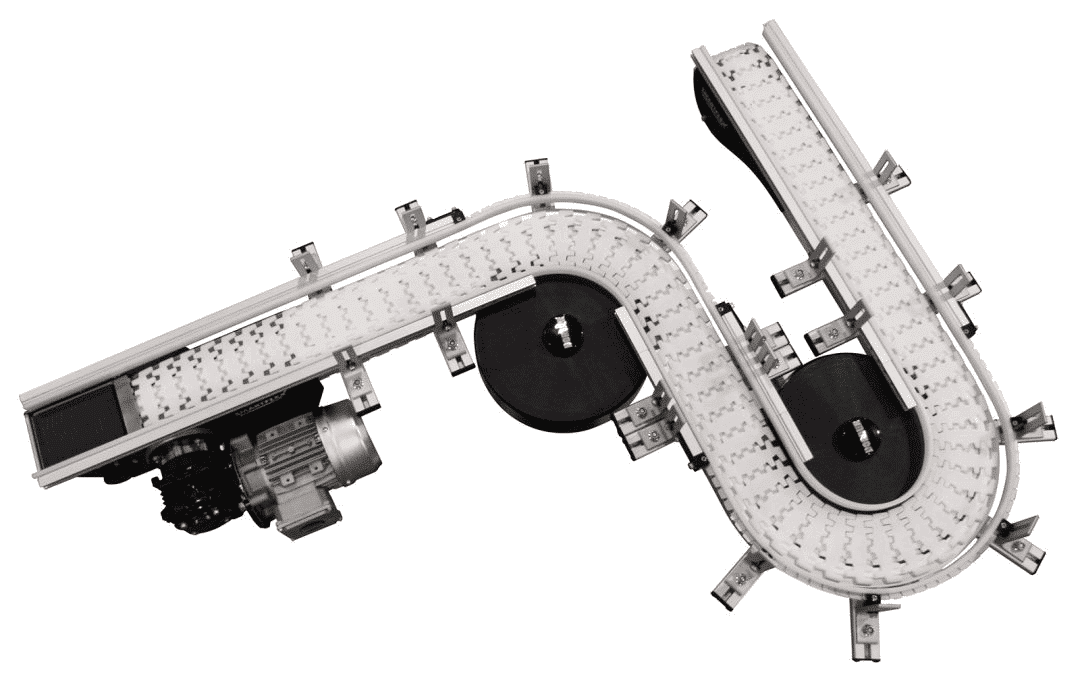
Suited to accumulation, curved routes, lighter loads and delicate products that need controlled movement through complex layouts.
Nylon, polyester or thermoplastic urethane surfaces support precise handling and can incorporate cleats, magnetic beds or backlighting.
Flexible and corrosion-resistant for abrasive materials, debris-producing processes, printing, labeling and metalworking.
Durable, repairable and easy to clean, with configurations for straight runs, curves and demanding production environments.
09Selection guide
The right conveyor aligns product characteristics and production goals with the environment, available space, automation strategy and lifecycle budget.
Match the system to product type, dimensions, weight, stability and required handling sensitivity.
Account for temperature, sanitation, dust, chemicals, cleanroom classification and electrostatic requirements.
Define whether the line transports, sorts, separates, packages, palletizes, inspects or tests products.
Plan length, turn radius, access routes, inclines, declines and the complete production footprint.
Consider controls, sensors, data integration, future expansion and connection with existing machinery.
Evaluate safe operation, cleaning, routine maintenance, reconfiguration and operator access.
Balance capital cost against energy, maintenance, spare parts, throughput and long-term operating savings.
10Frequently asked questions
Core questions covering selection, cost, integration, applications and maintenance.
An automated material-handling solution designed to move products efficiently through manufacturing, assembly or distribution at consistent speeds and controlled positions.
Assess product size and weight, throughput, intended process, available space, environment, regulation, automation level, maintenance needs and budget.
Cost depends on length, frame and belt materials, load rating, routing, controls and automation features. A project-specific quotation is required for an accurate figure.
Higher throughput, reduced manual handling, improved safety, consistent product quality, lower damage risk and easier integration with automated processes.
Options include fabric-belt and modular-plastic-belt conveyors, flexible-chain systems, pallet conveyors, roller conveyors and application-specific engineered platforms.
Food and beverage, automotive, metalworking, pharmaceutical, medical, consumer goods, warehousing, logistics, packaging and most manufacturing sectors.
Select compliant materials, easy-to-clean frames, suitable belt construction, sealed edges and minimal catch points. Requirements must be confirmed for the specific product and sanitation process.
Yes. Sensors, controls and communication interfaces can connect conveyors with automation infrastructure for monitoring, coordinated flow and predictive maintenance.
Check belt tension and alignment, clean belts and frames, inspect motors and gears, monitor unusual noise and replace worn components according to the service schedule.
Yes. Dimensions, belt materials, routing, controls, safety features and robotic integration can be engineered around the application.
11Custom industrial conveying
Share your product details, throughput target, environment, available space and automation requirements with the Roarer team.
Contact Roarer