Equipment and operating figures
Figures describe the configuration and operating conditions in this case.
- Packaged-product conveyors
- 3 × 3100 Series
- Dimensions of each
- 20 feet long × 12 inches wide
- Separate popcorn conveyor
- 6100 Series, 6 feet long
- Construction features
- Sealed pulley bearings; anodised aluminium-alloy frames
- Adjustment
- Single-point rack-and-pinion belt tensioning
- Historical platform range
- 3.75–48 inches wide; 4–99 feet long
The process sequence
- Twirl cotton candy onto its centre
- Place a protective bag over the product
- Transfer bagged product to dispatch preparation
- Move popcorn to a separate processing station
A food belt did not resolve the whole equipment problem
The producer made cotton candy, cheese corn and caramel corn for distribution over a wide area. At the final cotton-candy stage, staff twirled the product around its cardboard centre, placed a clear bag over it and set the wrapped product on conveyors to another room for shipment preparation.
The previous equipment used a food-grade belt, but its large steel structure suffered rust and excessive maintenance. That experience made clear that the suitability of a conveyor could not be judged by belt material alone.
Three replacement belt conveyors were installed for this packaged-product transfer. The customer judged their higher initial cost worthwhile because the design was easier to operate and maintain.
The replacement configuration
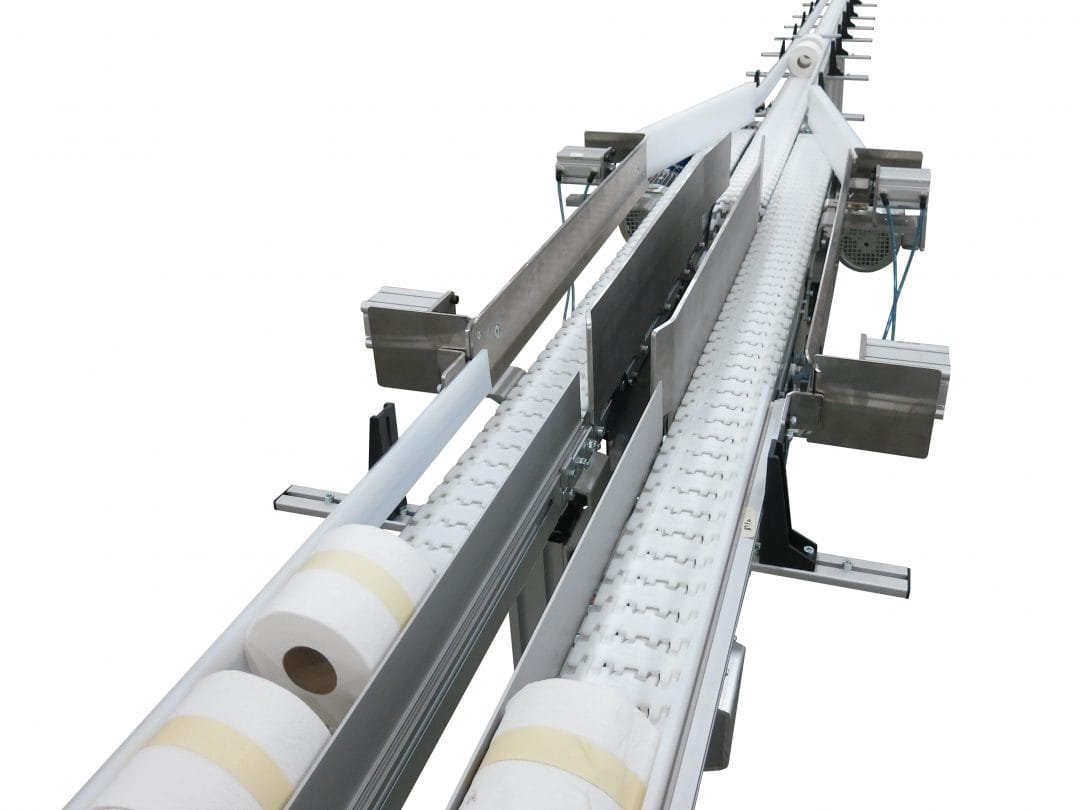
Each of the three 3100 Series conveyors was twenty feet long with a twelve-inch belt. The platform used sealed pulley bearings, a strong anodised aluminium-alloy frame and single-point rack-and-pinion tensioning for adjustment.
The account also discusses the related 3200 Series, including its V-guide arrangement for restricting lateral belt movement. The historical size range stated for the platforms was 3.75 to forty-eight inches in width and four to ninety-nine feet in length. These are source-era platform ranges, not a claim that every listed combination remains available today.
A fourth conveyor, a six-foot 6100 Series unit, carried popcorn from the popper toward a processing station. That was a separate task within the operation.
Maintenance access and operating feedback
The operator reported that the replacements were easier to adjust and repair and that the earlier conveyor problems had been resolved. Ease of access was part of the benefit, rather than an implication that inspection or replacement parts would never be needed.
This case concerns the stated transfer duties. The cotton candy was already bagged before it reached the three main conveyors; a direct-food-contact or washdown suitability claim should not be inferred for every component merely from the product being confectionery.